By XAMXAM
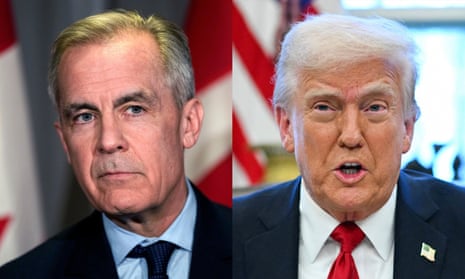
When Canadian officials quietly confirmed that Ottawa is weighing a small troop deployment to Greenland for joint exercises with NATO allies, the move landed with unusual force in Washington. The decision, still under review, would mark one of Canada’s most visible military gestures in the High Arctic in decades—and it comes amid escalating rhetoric from Donald Trump over Greenland’s future.
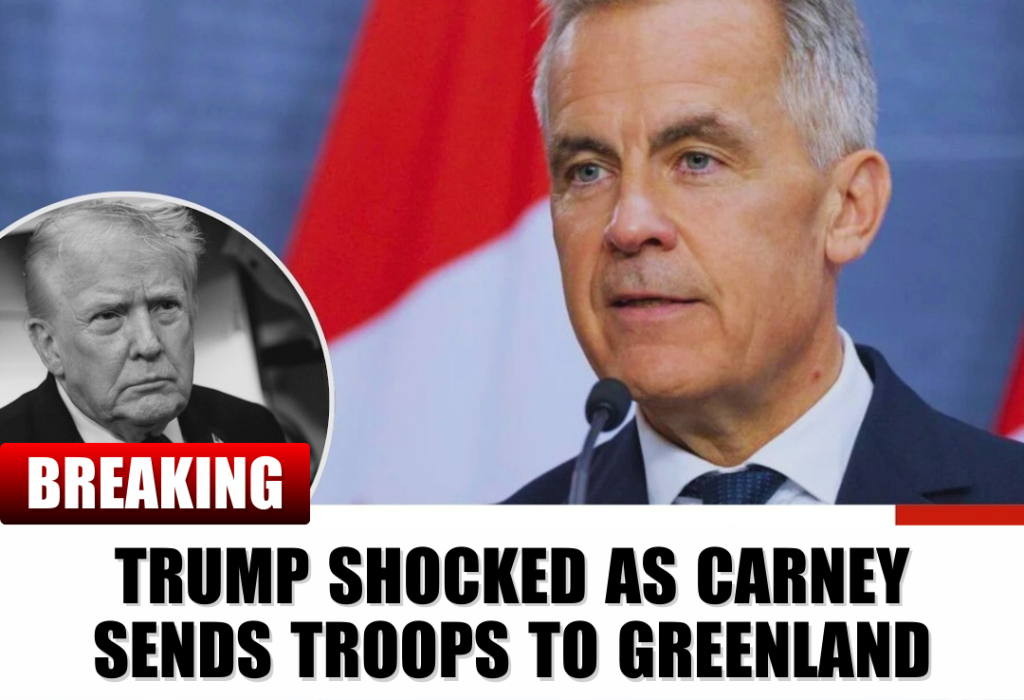
The timing is not accidental. In recent weeks, Trump has revived the idea of acquiring Greenland, pairing it with threats of tariffs and economic pressure aimed at Denmark and other European partners. While the White House has framed the comments as bargaining, allies hear something sharper: coercion tied to territory. Against that backdrop, Canada’s potential move—limited in scale, multilateral in design—reads less as saber-rattling than as deterrence by presence.
Greenland’s strategic value has surged as Arctic ice retreats. Shipping routes are opening. Undersea resources are becoming accessible. And the island anchors NATO’s northern defenses at a moment when Russia has expanded its Arctic footprint and China has declared itself a “near-Arctic” state. Any hint that borders are negotiable in this theater reverberates far beyond Copenhagen or Ottawa.
Canadian officials stress that the contemplated deployment would be part of pre-planned exercises with NATO partners, focused on sovereignty and infrastructure protection. That distinction matters. Exercises are lawful, routine, and collective—precisely the mechanisms alliances use to signal resolve without provocation. Yet in this context, even routine actions acquire meaning. Canada would be placing uniformed personnel closer to a flashpoint where rhetoric has begun to outrun restraint.
The move also reflects a broader posture under Mark Carney, whose early weeks in office have been marked by a willingness to speak plainly about escalation. From Doha, Carney described tariff threats tied to territorial outcomes as destabilizing. In Beijing, he secured trade relief that reduced Canada’s exposure to U.S. retaliation. In the Gulf, he courted long-term capital to strengthen economic resilience. The Arctic step, if taken, would extend that logic into security: diversify vulnerabilities, align visibly with allies, and make deterrence credible.
For Denmark and Greenland, Canada’s signal offers reassurance at a delicate moment. Greenland’s future, Carney has said, belongs to Greenlanders and Denmark—not to economic leverage. That language mirrors NATO’s core principle: borders are not bargaining chips. A modest Canadian presence would not change the military balance, but it would underscore alliance unity when ambiguity could invite miscalculation.
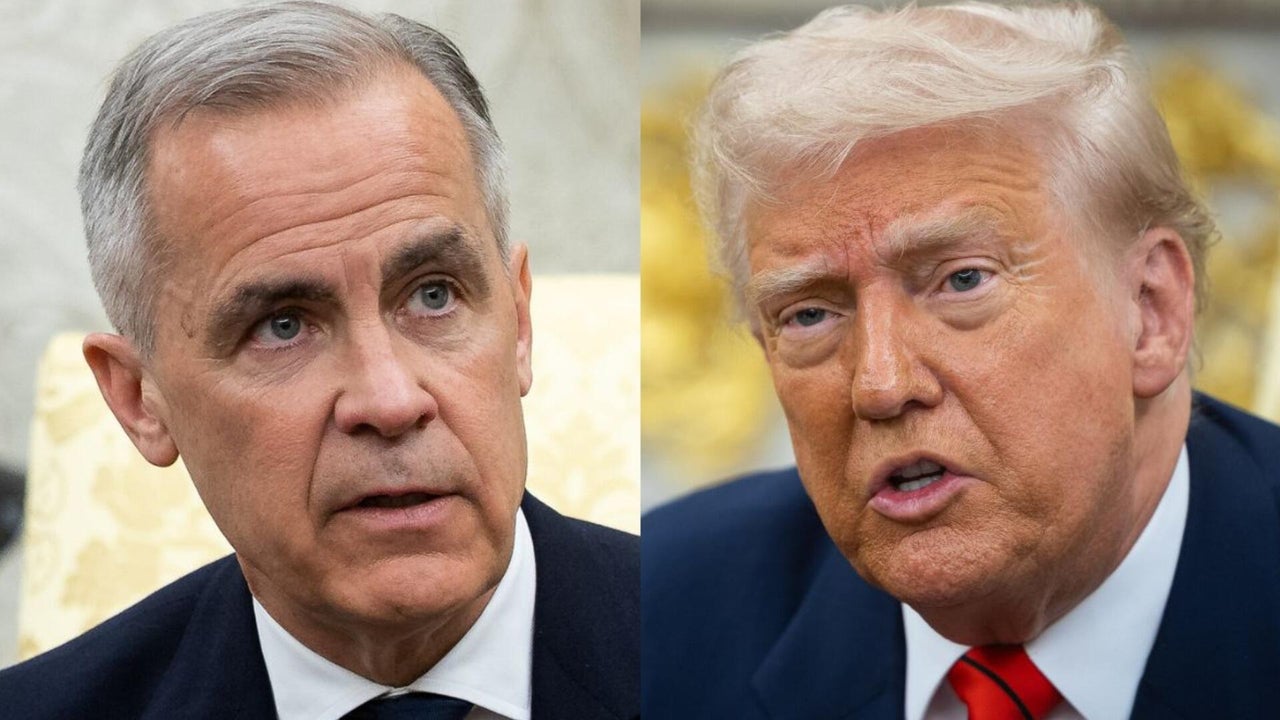
In Washington, the reaction has been mixed. Some officials dismiss the idea as symbolic. Others read it as a warning that allies are preparing for a world in which U.S. policy may veer unpredictably. That concern has been building. Trump has questioned the value of multilateralism, leaned on tariffs as tools of statecraft, and framed alliances transactionally. For partners who rely on predictability, the result is hedging—economically, diplomatically, and now, potentially, militarily.
The Arctic magnifies those stakes. It is a theater where early signals matter because distances are vast and response times are long. Exercises today shape expectations tomorrow. When allies show up together, they reduce the risk that any one actor tests the edge.
Carney’s expected appearance at the World Economic Forum in Davos underscores the coordination underway. With Trump also slated to attend, the contrast will be visible: one vision emphasizing pressure and bilateral leverage; another emphasizing rules, alliances, and restraint. Behind closed doors, officials say, the goal is alignment—to ensure that threats do not become precedents.
Canada’s calculus is shaped by geography and history. It is an Arctic nation with a long coastline and a stake in northern stability. It is also a middle power that depends on institutions working as designed. Sending troops to Greenland—even in small numbers—would be an assertion that institutions still matter, and that escalation will meet coordination, not silence.
Whether the deployment proceeds will depend on consultations now underway with allies. But the signal has already been sent. Canada is no longer content to treat Greenland as someone else’s problem. In an Arctic where assumptions are melting as fast as ice, presence has become a language of its own.
If the past few weeks have shown anything, it is that deterrence need not be loud to be effective. Sometimes it is enough to prepare—together—and to make clear that the map is not up for negotiation.