By XAMXAM
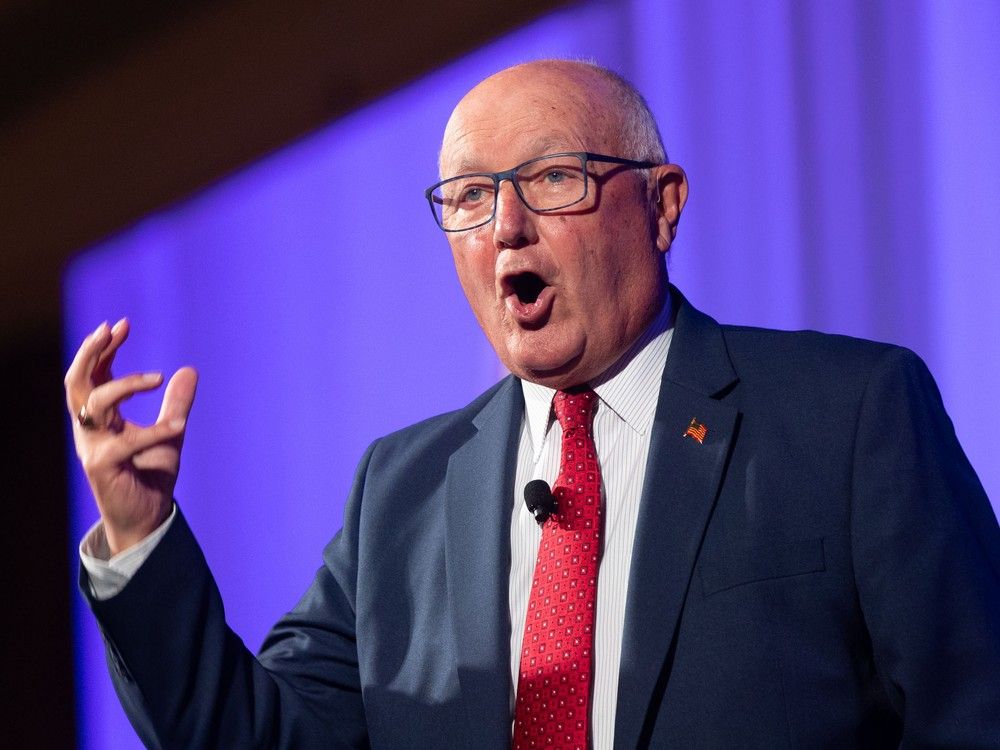
OTTAWA — The remark was brief, unguarded, and revealing. “No, we do not need Canada,” the U.S. ambassador to Ottawa said on live radio, brushing aside a question that for decades would have been unthinkable in Washington. The comment did not sound like strategic confidence. It sounded like irritation — even panic — and it came at a moment when Canada was very visibly demonstrating that it has options.
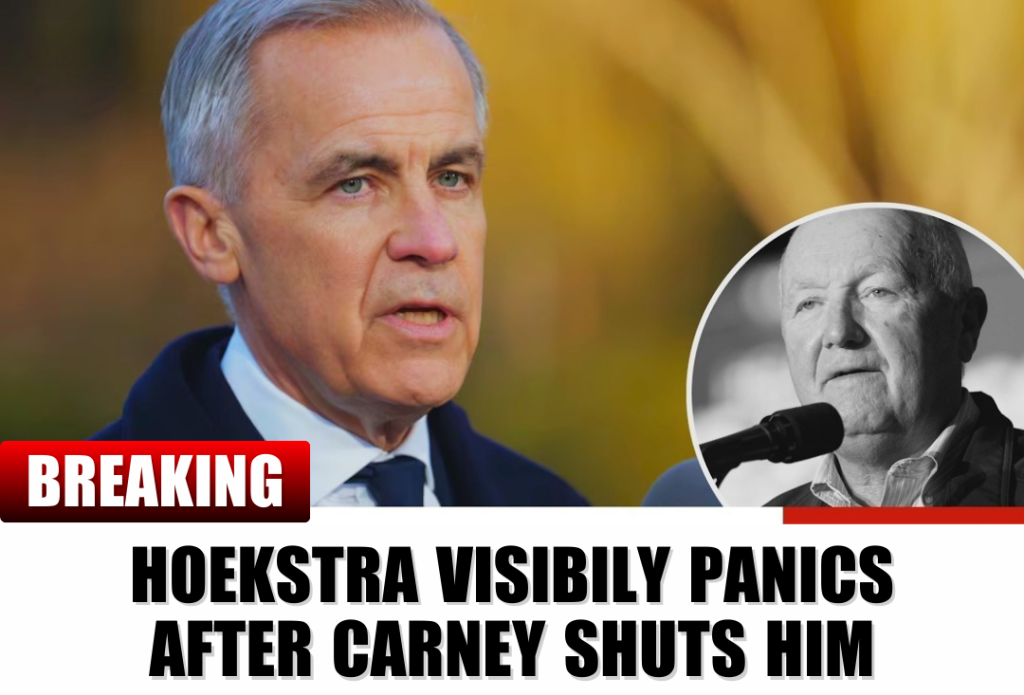
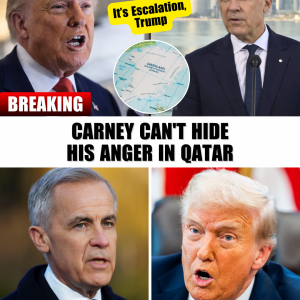
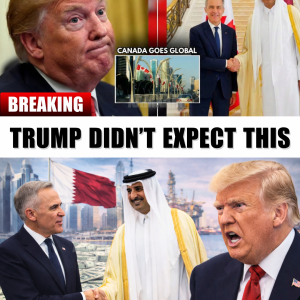
Within days of concluding a sweeping reset with China, Prime Minister Mark Carney stepped off a plane in Doha, beginning the first-ever visit to Qatar by a sitting Canadian prime minister. The timing was not accidental. Nor was the destination.
China was about trade access. Qatar is about capital power.
For Washington, that distinction matters more than any tariff dispute. Trade moves goods. Capital reshapes countries.
The Gulf states, led by Qatar, Saudi Arabia, and the United Arab Emirates, control sovereign wealth funds measured not in billions but in trillions of dollars. Their investments do not chase quarterly returns. They build ports, power grids, railways, data centers, and energy systems designed to generate returns for 30 to 50 years. When that capital commits, it does not leave quietly.
That is what made Carney’s arrival in Doha so unsettling for American officials.
The ambassador’s outburst followed a week of rapid shifts. Canada had just finalized agreements with Beijing easing trade pressure on canola and electric vehicles and reopening channels that had been frozen for years. Then, without pause, Carney pivoted to the Gulf — a region whose financial firepower can underwrite entire national development strategies.
It was at that point that Washington’s tone snapped.
The United States’ leverage over Canada has long rested on a single assumption: that Canada had nowhere else to go. Integrated supply chains, deeply intertwined capital markets, and automatic political alignment made that assumption feel permanent. Carney has spent the past year dismantling it.
Qatar represents the most direct challenge yet.
Unlike trade partners, Gulf sovereign wealth funds do not require access to American markets or approval from American regulators to deploy capital. They invest directly, under host-country law, with a time horizon that extends far beyond election cycles. For Canada, they offer something increasingly valuable — insulation from U.S. political volatility.
Carney’s pitch in Doha is not about slogans or ideology. It is transactional in the most structural sense. Canada is presenting itself as a stable, rules-based destination for large-scale investment in infrastructure, energy, artificial intelligence, transportation, and northern development. The message is simple: money invested in Canada will be protected by the rule of law, transparent courts, and long-term policy continuity.
For Gulf investors, that stability is the product.
Qatar’s own track record explains why the meeting mattered. The country’s sovereign wealth arm, the Qatar Investment Authority, manages more than $550 billion and has already deepened its footprint in Canadian energy and infrastructure. Saudi Arabia’s Public Investment Fund and Abu Dhabi’s Mubadala and ADIA control even larger pools of capital and are actively seeking to diversify away from U.S.-centric exposure.
The attraction is not proximity to the United States. It is distance from American chaos.
Under Donald Trump, Washington has revived tariff threats, openly questioned the value of trade agreements, and treated allies as leverage points rather than partners. For sovereign wealth funds tasked with safeguarding national wealth for future generations, that unpredictability is a red flag.
Canada, by contrast, looks increasingly like a safe harbor.
That is why U.S. officials are reacting so sharply. Once global capital flows diversify, pressure stops working. Tariff threats lose bite. Diplomatic tantrums stop moving markets. A Canada backed by Gulf capital is a Canada that cannot be coerced easily.
The ambassador’s insistence that the United States “does not need Canada” inadvertently underscored the shift. For decades, Washington did not need to say it. Canada was assumed. The supply chains, the alignment, the dependence were automatic.
Now they are not.
Carney’s approach has been methodical rather than confrontational. He has not framed the Gulf pivot as defiance of the United States. He has framed it as prudence. A country of 40 million people, he has argued, cannot organize its economic future around the moods of a single partner — no matter how large.
That argument resonates in global capital markets.
Investors understand that once infrastructure is built with Gulf backing — rail corridors, ports, energy systems, data centers — those assets anchor relationships for decades. They create constituencies, contracts, and interdependencies that do not disappear when political rhetoric flares in Washington.
This is what unsettles American officials most. China showed that Canada has alternatives for trade. Qatar suggests that Canada may soon have alternatives for financing its future.
The implications extend well beyond Ottawa. Other U.S. allies are watching closely. If Canada succeeds in attracting large-scale Gulf investment without American intermediaries, the model is replicable. Middle powers from Australia to parts of Europe face similar pressures — and similar incentives to diversify.
Washington’s reaction suggests it understands the stakes. When a close ally begins to secure capital, markets, and partnerships that operate outside American leverage, influence erodes quietly but permanently.
That is why the ambassador sounded defensive rather than confident. The United States may not “need” Canada in the narrow rhetorical sense. But it is discovering that it no longer gets to assume Canada.

Carney’s landing in Doha made that reality visible. The question now is not whether Canada has options. It is how Washington adapts to a neighbor that is no longer waiting to be told where its limits are.