By XAMXAM
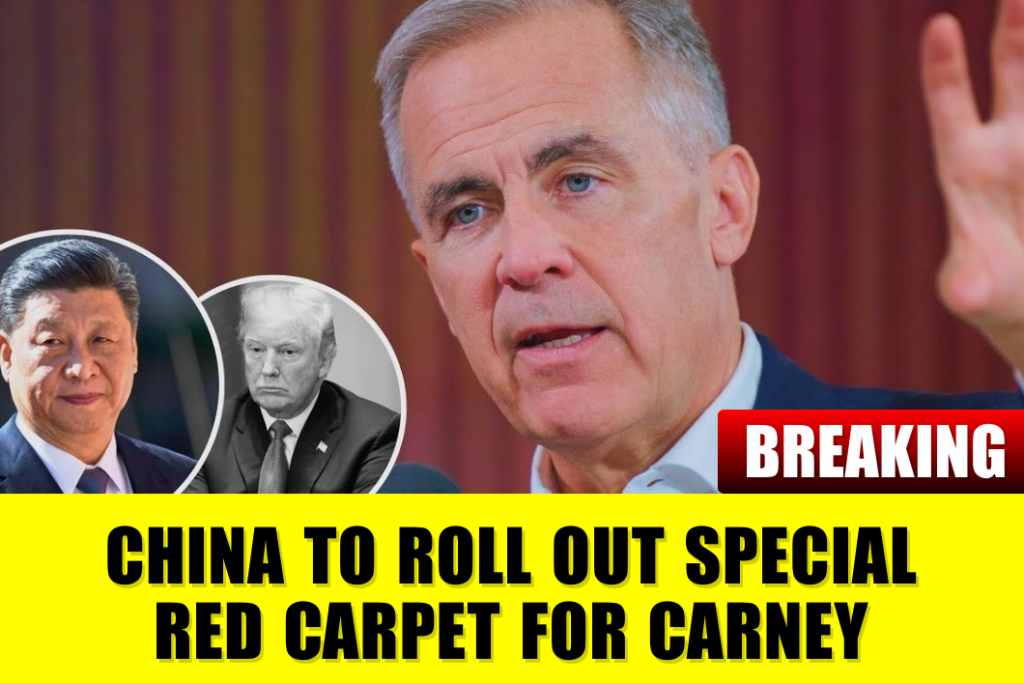
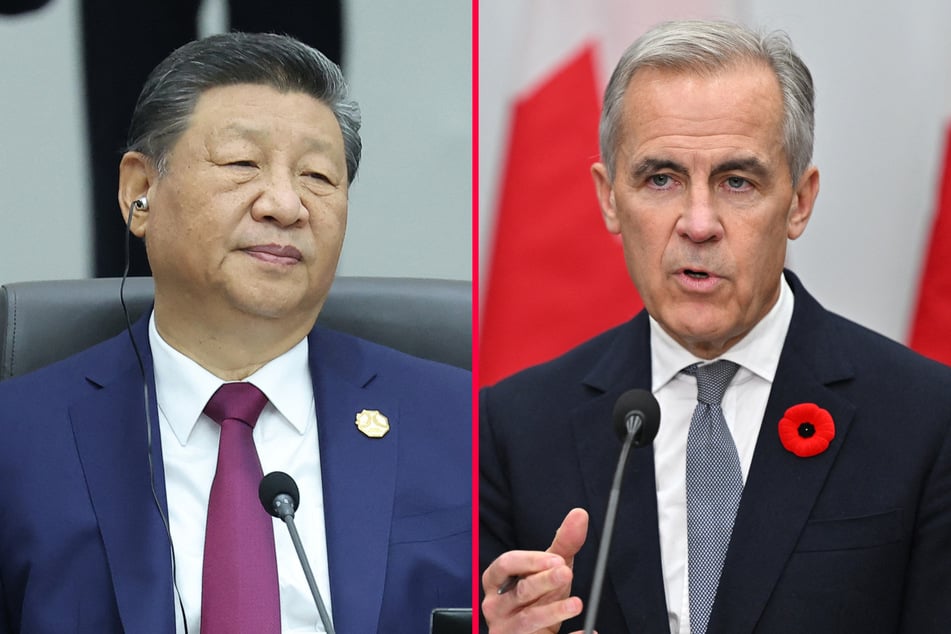
When Mark Carney arrives in Beijing this week, he will do so under circumstances no Canadian prime minister has experienced in nearly a decade: as a formal state guest, invited directly by President Xi Jinping. In diplomatic terms, the distinction is neither routine nor symbolic. It signals that China is recalibrating how it views Canada — and that Canada, under Carney, has become something Beijing believes is worth engaging seriously again.
For years, the relationship between Ottawa and Beijing existed in a deep freeze. The arrest of a senior Huawei executive in Vancouver in 2018, followed by the detention of two Canadians in China, ushered in a prolonged period of mistrust, trade retaliation and near-total political silence. High-level visits stopped. Dialogue narrowed to grievances. Cooperation became almost impossible.
What has changed is not history, but context.
China today is navigating slowing growth, rising skepticism from Western governments and an increasingly unpredictable United States. In that environment, Beijing has been quietly searching for stable interlocutors within the G7 — governments that are firm but pragmatic, cautious but not performative. Canada, unexpectedly, has begun to fit that description.
Chinese media coverage of Carney’s visit has reflected that shift. Commentators have praised his “calm professionalism,” his resistance to pressure without theatrical escalation, and his emphasis on multilateral engagement rather than public confrontation. This is not admiration in the emotional sense, but recognition of a style Beijing finds legible and manageable.
For Carney, the visit is not an attempt to erase the past. It is an acknowledgment that prolonged estrangement has costs. Canadian farmers, particularly canola producers, have paid a steep price for the collapse in relations. Tariffs imposed by China in retaliation for Canada’s alignment with U.S. policy slashed exports and reverberated through rural economies. Entire regions felt the impact.
Canola will loom large in Beijing. While no one expects an immediate rollback of tariffs, Chinese officials have made clear that measures can be revisited if dialogue resumes in earnest. Even modest movement — a review process, a framework for negotiation — would signal that the era of automatic retaliation may be ending.
But agriculture is only part of the equation. The more sensitive issue is electric vehicles.
Canada imposed tariffs on Chinese-made electric vehicles last year, a decision widely seen as aligned with Washington’s industrial strategy. Beijing responded by targeting Canadian agricultural exports. The linkage was unmistakable. Now, with Canada’s auto sector already under strain from American protectionism, Carney faces a difficult calculation: how to protect domestic manufacturing while avoiding permanent entanglement in someone else’s trade war.
China’s electric vehicle industry is no longer simply cheap; it is fast, vertically integrated and technologically advanced. That reality has forced governments across Europe and North America to rethink old assumptions. For Canada, the choice is not binary. Engagement does not have to mean unrestricted imports. It could mean investment, assembly, joint ventures — building capacity rather than just absorbing product.
Such possibilities help explain Beijing’s interest. China is not seeking unconditional access. It is seeking predictability and partners who negotiate rather than posture. Canada, with its skilled workforce, clean energy base and critical mineral reserves, represents a credible manufacturing platform if political conditions allow.
None of this implies a strategic pivot away from the United States. Carney has been explicit that diversification is not substitution. Canada is not choosing China over Washington. It is choosing not to be dependent on any single partner. That distinction matters, and it is one Beijing appears to understand.
Donald Trump’s return to the White House looms over every conversation. His tariffs, threats and transactional approach to allies have reshaped calculations far beyond North America. For China, engaging Canada is partly about demonstrating that stable relationships with Western economies remain possible even as U.S. policy grows more volatile. For Canada, it is about ensuring that no external actor can unilaterally corner its economy again.
Success from this visit will not arrive in the form of dramatic announcements. There will be no sweeping reset, no sudden reconciliation. Progress, if it comes, will be incremental: restored channels of communication, clearer expectations, fewer surprises. For exporters and manufacturers, that kind of stability matters more than headlines.
In diplomatic terms, the quiet reopening of dialogue can be transformative. When leaders speak directly, disagreements become manageable rather than incendiary. Retaliation becomes a last resort instead of a reflex.
China’s praise of Carney is therefore less about personal popularity than strategic assessment. Beijing sees a leader who signals boundaries without provocation and engagement without illusion. In a global system strained by unpredictability, that combination has become rare.
Canada’s challenge now is to convert attention into leverage without drifting into dependence. If Carney succeeds, this visit will be remembered not as a breakthrough, but as a turning point — the moment when Canada reasserted its ability to navigate a fractured world on its own terms.