Republicans Break With Trump Over Greenland as Fears of Imperial Overreach Grow
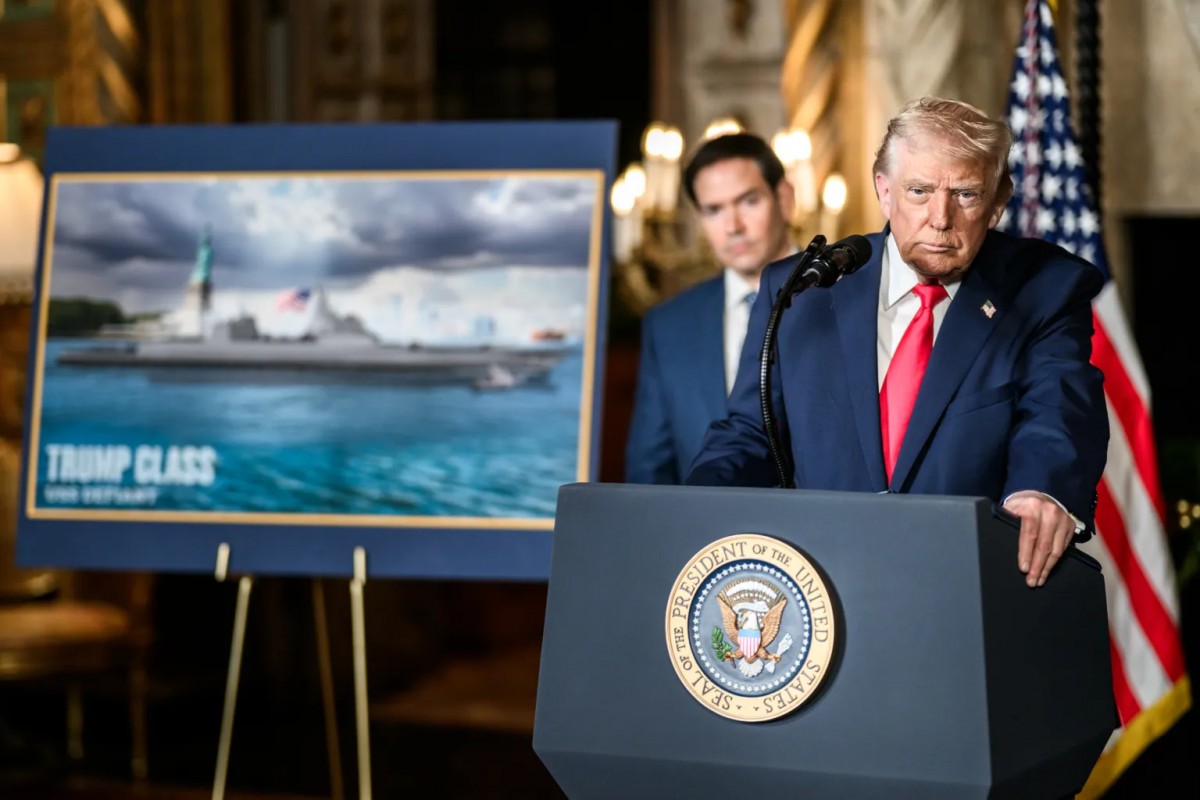
Washington — President Donald Trump’s renewed fixation on Greenland, once dismissed as a diplomatic oddity during his earlier political rise, has returned with far more serious implications. This time, it is not merely a proposal to purchase territory. It is a question of military force, alliance commitments, and whether the United States is drifting toward a 19th-century vision of imperial power — a prospect that is now unsettling members of Trump’s own party.
In recent days, a growing number of Republican lawmakers have publicly distanced themselves from the president’s rhetoric suggesting that Greenland “should be part of the United States,” even as senior White House adviser Stephen Miller declined to rule out the use of force. The backlash marks one of the clearest intra-party breaks of Trump’s current term, exposing unease among conservatives who fear the erosion of NATO, international norms, and constitutional limits on executive power.
Miller’s Comments Ignite Alarm
The controversy intensified after Miller, speaking in a televised interview, framed U.S. control of Greenland as a matter of strategic necessity rather than diplomacy. Questioning Denmark’s sovereignty over the territory, Miller argued that the United States, as NATO’s dominant military power, had a responsibility to “secure the Arctic region.”
When pressed on whether military action was off the table, Miller refused to provide a definitive denial.
The remarks reverberated quickly across Washington and social media. Clips of the exchange spread rapidly on X and YouTube, drawing condemnation not only from Democrats but from prominent Republicans who described the comments as reckless, dangerous, and historically illiterate.
Greenland, an autonomous territory within the Kingdom of Denmark, is a NATO partner and a key strategic ally in Arctic defense. Any suggestion of military coercion against it would amount to an unprecedented rupture within the alliance.
Republican Lawmakers Push Back
Senator Lisa Murkowski of Alaska, a Republican with deep ties to Arctic policy, was among the first to voice concern. In a statement, she warned that any attempt to seize Greenland by force would “degrade both our national security and our international relationships.”
Representative Blake Moore of Utah echoed those sentiments, calling talk of annexation “needlessly dangerous.” Greenland, he emphasized, is part of a NATO ally, and an attack on it would effectively be an attack on the alliance itself.
Representative Don Bacon of Nebraska, a former Air Force general and a frequent advocate of NATO cohesion, was more blunt. He described Miller’s comments as “dumb,” stressing that Denmark and Greenland deserve respect as partners, not threats.
Even House Speaker Mike Johnson, typically cautious in public disagreements with the White House, distanced himself from the idea. When asked whether military intervention was appropriate, Johnson responded simply: “No, I don’t think that’s appropriate.”
Representative Mike Lawler of New York went further, stating on Fox News that there was no support within the Republican Party for using force to take Greenland. While acknowledging the region’s strategic importance, Lawler emphasized diplomacy over coercion.
A Broader Pattern of Aggression
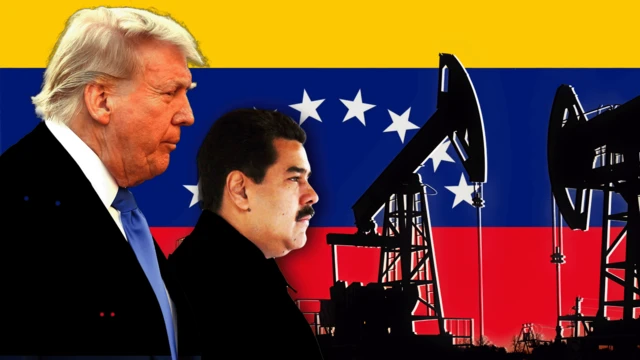
The Greenland episode does not stand alone. It follows months of escalating rhetoric and actions tied to Venezuela, immigration enforcement, and expanded military authority — policies in which Miller has played a central role.
Although formally tasked with domestic immigration policy, Miller has increasingly emerged as a key architect of the administration’s broader national security agenda. Analysts and former officials point to his advocacy for reviving the Alien Enemies Act — an 18th-century wartime statute — as evidence of a worldview that blurs the line between immigration enforcement and military conflict.
That legal theory was used to justify mass deportations of Venezuelan nationals before being rejected by federal courts, which ruled that immigration does not constitute an invasion. Critics argue that the administration then pivoted toward framing Venezuela itself as a wartime adversary, laying groundwork for military escalation.
Political strategist Sawyer Hackett, in a widely circulated video analysis, described Miller as the ideological engine behind the administration’s imperial turn, arguing that he has leveraged legal gray areas to push Trump toward increasingly authoritarian solutions.
NATO and the Imperial Question
What has alarmed Republicans most is not merely Trump’s rhetoric, but the implications for NATO. For decades, the Republican Party has positioned itself as the guardian of Western alliances. Threatening a NATO partner undermines that identity — and risks empowering adversaries like Russia.
Foreign policy experts warn that even rhetorical threats against Greenland weaken alliance credibility, embolden authoritarian regimes, and destabilize Arctic security at a time of heightened global competition.
“This isn’t just about Greenland,” said one former Republican national security official, speaking anonymously. “It’s about whether the United States still believes in alliances or sees them as obstacles.”
A Party at a Crossroads
The backlash suggests that, while Trump retains significant influence within the Republican base, there are limits — particularly when core national security principles are perceived to be at stake.
Midterm elections loom, and several lawmakers appear increasingly unwilling to defend positions that could alienate moderate voters or fracture longstanding alliances. The language used by Republicans — “undermines national security,” “attack on NATO,” “needlessly dangerous” — signals not just policy disagreement but existential concern.
Behind the scenes, some Republicans privately worry that Trump’s reliance on a narrow circle of ideologically driven advisers has made him more susceptible to extreme proposals. If the president’s decision-making is increasingly filtered through figures like Miller, they fear, future crises could escalate rapidly.
An Uncertain Path Forward
For now, no formal policy has been announced regarding Greenland. But the episode has exposed deep tensions within the Republican Party — and raised profound questions about America’s role in the world.
Is the United States a steward of alliances or an empire in waiting? Is strategic competition compatible with respect for sovereignty? And who, ultimately, is shaping presidential power?
As Republicans openly challenge Trump’s imperial rhetoric, one reality is clear: the political costs of threatening allies are no longer confined to Democrats. They are now coming from within Trump’s own ranks — and they may shape the future of American foreign policy far beyond Greenland.