As Allies Begin to Step Back: Donald Trump’s Foreign Policy and a Dangerous Warning for America’s Global Role

Washington — For decades, the United States’ global standing has been built not only on military and economic power, but on the trust of its allies. In recent weeks, however, a series of quiet yet strategically significant moves suggests that this trust is eroding rapidly under President Donald Trump’s foreign policy.
From Europe to the Caribbean, long-standing partners of Washington are beginning to distance themselves, and in some cases withdraw from U.S.-led operations, amid growing concern that the United States is acting unilaterally, disregarding international law and the multilateral frameworks that have underpinned the post–World War II global order.
Cognitive Dissonance in a World That No Longer Operates in Isolation
Political analysts in the United States increasingly invoke one term to describe the Trump administration’s approach: cognitive dissonance — the clash between the realities of a deeply interconnected global system and the belief that the United States can act as a self-contained, isolationist power.
On X (formerly Twitter), scholars of international relations have noted that the administration appears to be operating under the assumption that America alone can dictate outcomes, even as globalization has made national economies, security arrangements, and supply chains more interdependent than ever.
One frequently cited example in American media is the trade confrontation with China. When Beijing stopped purchasing U.S. soybeans during earlier tensions, millions of American farmers suffered significant losses — a clear demonstration that the U.S. economy cannot be disentangled from the global marketplace.
Europe Sends a Chilling Message

In recent days, European leaders’ stance on the Russia–Ukraine conflict has openly clashed with the White House’s approach. In a joint statement, six European countries and the European Commission emphasized that any path to peace cannot be decided without Ukraine’s participation, a message widely interpreted as a direct rebuke of President Trump’s initiatives.
In the United Kingdom, commentary on major outlets such as the BBC and Sky News drew attention when a former senior security official described Trump as “a Putin apologist.” The remark spread rapidly across American social media platforms, reigniting debate over whether Washington can still be regarded as a reliable security ally.
According to reports cited by CNN and Reuters, London has suspended certain intelligence-sharing activities with the United States, seeking to avoid being seen as complicit in military actions it believes violate international law.
A Dangerous Fracture in the Caribbean
Perhaps the most alarming signal has come from the Netherlands, a long-time NATO ally. The Dutch government confirmed it is withdrawing from U.S.-led counter-narcotics missions in the Caribbean after Washington launched a series of military strikes on vessels suspected of drug smuggling, resulting in more than 100 deaths.
Speaking in Aruba, Dutch Defense Minister Ruben Brekelmans emphasized that the Netherlands remains committed to combating drug trafficking, but rejects a “shoot-first” approach. Dutch forces, he said, prioritize arrest and prosecution over lethal force on the high seas.
The decision marks a rare rupture in U.S.–Dutch security cooperation, which for decades operated through joint task forces focused on surveillance, interdiction, arrests, and extraditions. Observers in Washington warn that this may not be an isolated case, but rather a pattern that could repeat if the United States continues to act unilaterally.
Venezuela and the Limits of International Law
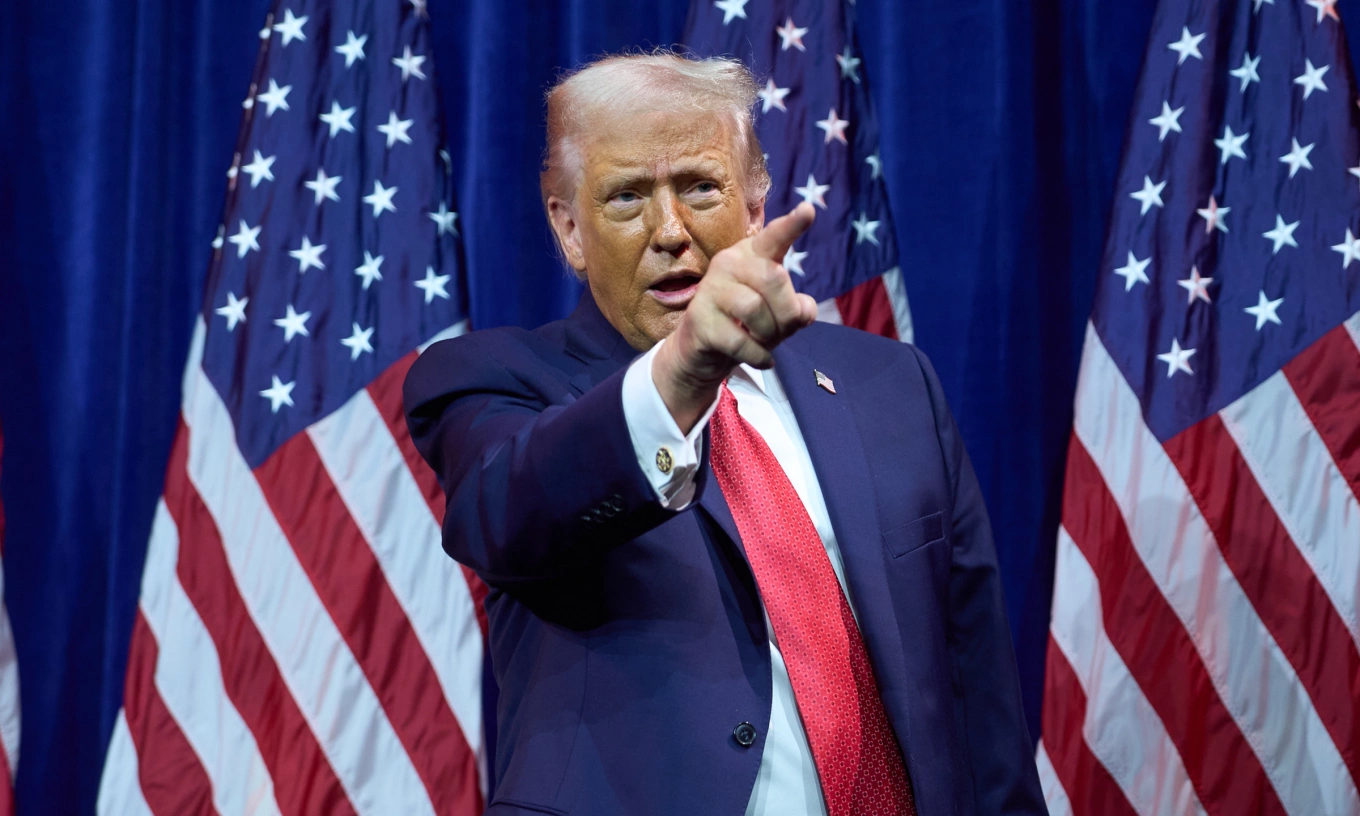
Tensions intensified further after the United States used military force to detain Venezuela’s President Nicolás Maduro — a move condemned by numerous governments and international organizations as a violation of national sovereignty.
Across American social media platforms, former diplomats and international law experts have raised pointed questions: if Washington can justify such actions in Venezuela today, what prevents similar interventions elsewhere tomorrow?
The Netherlands has made clear it will not provide bases, helicopters, or logistical support for U.S. operations linked to the campaign. The message was unmistakable: a red line has been crossed.
A Forgotten Lesson of History
A recurring argument in opinion pieces published by The New York Times and The Washington Post is that the United States has never successfully navigated major global crises alone.
Even in World War II — often portrayed as a singular triumph of American power — victory was achieved through alliances with Britain, the Soviet Union, and numerous other nations. Ignoring this historical reality, scholars argue, reflects a dangerous misunderstanding of America’s role in the modern world.
A World Quietly Moving On
What troubles analysts most is not the public criticism from U.S. allies, but the fact that many are silently adjusting their strategies to reduce dependence on Washington.
As countries begin to route around the United States — building alternative partnerships, selectively sharing intelligence, and limiting participation in American-led missions — Washington’s leadership role risks being weakened in ways that may prove difficult to reverse.
In an increasingly complex world, the message from Europe and the Caribbean is clear: no nation, including the United States, can manage the international order alone.
And if Washington continues to ignore that reality, today’s quiet withdrawals may soon give way to far more visible and consequential breaks.