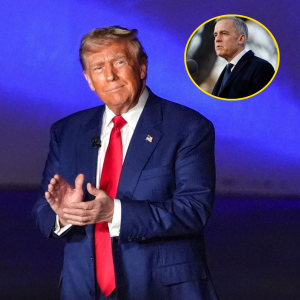
Inside the ‘Executive Branch’: A Private Power Club at the Heart of Modern U.S. Politics
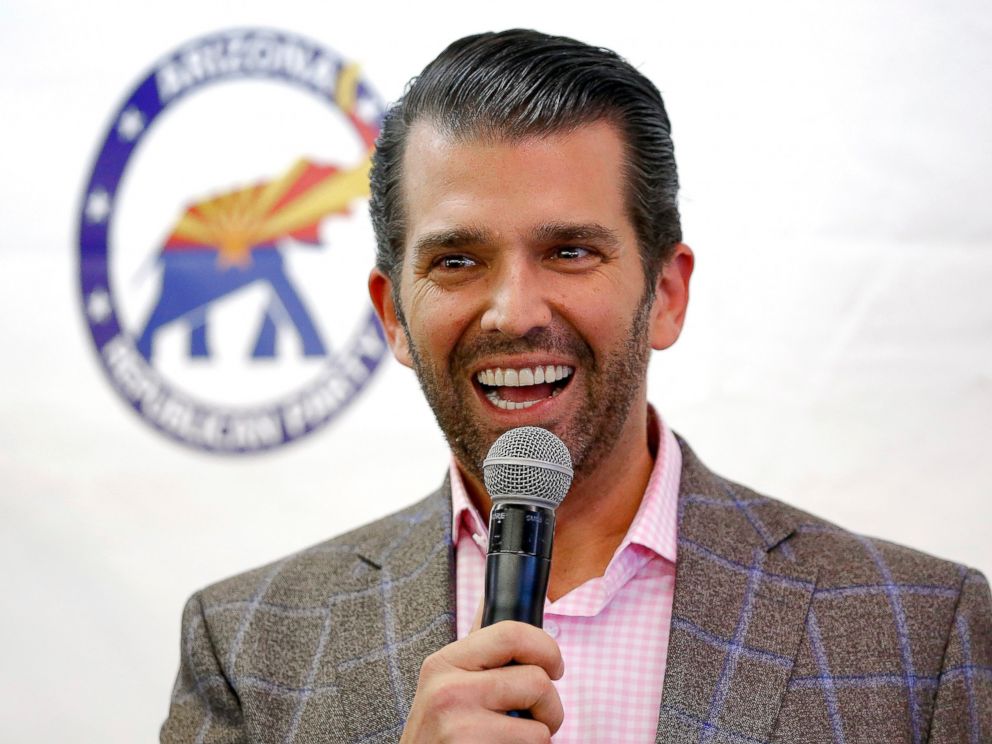
WASHINGTON — On a quiet side street in the Georgetown neighborhood of Washington, D.C., behind an unmarked doorway beneath a former billiards hall, lies one of the most exclusive and controversial social hubs in the nation’s capital.
The Executive Branch, a private members’ club co‑founded by Donald Trump Jr. and a small group of wealthy investors, has become emblematic of how political influence and private enterprise are increasingly intertwined at the highest levels of American life — and how that mix fuels fierce debate across social media, satire circuits and partisan media alike.
The Making of an Exclusive Space

Launched in early 2025, the Executive Branch is marketed as an invitation‑only club with an annual membership fee reported to be around $500,000 — one of the highest for any private club in the country. (Wikipedia)
The club’s founders include Mr. Trump Jr.; Omeed Malik and Chris Buskirk of the conservative venture capital firm 1789 Capital; and real estate figures Alex and Zach Witkoff. (Wikipedia)
According to public reporting, the space features lounges, dining rooms, and private meeting areas aimed at providing a venue where wealthy business leaders, investors and political allies can interact — away from the traditional glare of press coverage and public scrutiny. Founding members and early adherents include tech and crypto executives such as David O. Sacks, investors Chamath Palihapitiya and the Winklevoss twins, among others. (Wikipedia)
Access, Influence and Ethics Concerns
From its inception, the club has drawn sharp criticism from political opponents, ethics experts and some watchdog groups who see it as a mechanism through which access to political power — particularly within the Trump administration — may be monetized.
Critics argue that an institution like the Executive Branch could enable wealthy donors and corporate executives to buy proximity to senior policymakers and influence policy in ways hidden from public oversight. “It just appears to be a ploy to sell access to Trump and the Trump administration through this private club for wealthy donors,” said John Pelissero, from the Markkula Center for Applied Ethics. (Wikipedia)
Democratic lawmakers have been equally blunt. Former House Intelligence Committee chairman Adam Schiff called the club “a place for insiders, for investors and billionaires to directly line the pockets of the first family,” adding that its existence sends “a message as clear as day to anyone who wants to do business in the United States: if you want to be with Trump, you’ve got to pay the cover charge.” (Wikipedia)
In response, club representatives and allies have dismissed these concerns as partisan exaggerations. Mr. Malik, co‑founder of 1789 Capital, has defended the club’s purpose as simply providing a space for like‑minded individuals to gather without media disruption or unwelcome scrutiny — a “safe space” for conservative voices, as described by some allies — and has rebuffed claims that it sells influence. (Wikipedia)
A Business Frontier in Political Capital
The creation of Executive Branch fits into a broader pattern in which members of the Trump family have extended their business activities into areas with political undertones. Mr. Trump Jr. joined 1789 Capital, a firm that focuses on conservative‑aligned investments, shortly after his father won the 2024 presidential election. (Wikipedia)
1789 Capital and its partners have drawn scrutiny due to the firm’s investments in industries and companies that could potentially benefit from federal policy decisions. Some investors in 1789 have also participated in events at the Executive Branch club, blurring the lines between private investment, political influence and public service. (Wikipedia)
Legal and ethical scholars have pointed out that while there is no explicit law forbidding political figures’ families from engaging in such ventures, the optics of private entities that pitch access to power raises questions that are difficult to ignore. Transparency advocates say that at a minimum, stronger disclosure norms would help illuminate whether influence is being bought or sold in ways that undermine public trust.
How Hunter Biden Became Part of the Narrative
The debate surrounding the Executive Branch and political influence has spilled over into the broader cultural sphere, where satire, social media commentary and partisanship collide.
Among the most striking examples has been the sudden appearance of Hunter Biden, son of President Joe Biden, in online satire and pointed critiques from political commentators. Clips and memes depicting Hunter — often in exaggerated or animated form — ripping into Mr. Trump Jr. and the Executive Branch concept have gone viral across platforms like X (formerly Twitter), TikTok and YouTube. These videos, while not literal news, reflect how political messaging increasingly uses humor and hyperbole to underscore serious points about influence and perceived hypocrisy.
One particularly widespread clip, originating from a satirical account, frames Hunter as skewering Donald Trump Jr. for profiting from political connections — a rhetorical turn meant to highlight grievances over ethical double standards. Respondents across the political spectrum have debated whether such portrayals are sharp political critique or irresponsible exaggeration. (thenationaldesk.com)
This dynamic shows how modern political discourse often blends factual reporting with entertainment formats, amplifying messages far beyond traditional journalism.
Public Reaction: From Elitism to Satire
On social media, reactions to the existence of Executive Branch range from outrage to humor. Some commentators view it as the latest symbol of elite capture, where the corridors of power are effectively privatized for those who can afford them. Others mock the idea as out of touch with everyday Americans, portraying it as an ostentatious “club for the oligarchs.”
Meanwhile, supporters frame Executive Branch as no different from other private clubs frequented by business leaders and policymakers across Washington and New York. They stress that membership is voluntary and that private gatherings of influential individuals have long been part of American political life.
Still, the persistent imagery of a subterranean Washington club where half a million dollars buys a chance to network with cabinet members and advisers feeds narratives on both sides — either as emblematic of corruption, or as an overblown rhetorical foil for political opposition.
Looking Ahead
As Washington approaches the midterm legislative session in 2026, and with elections on the horizon, institutions like Executive Branch and the debates they generate seem destined to influence discussions about ethics, access, and the boundaries between public office and private gain.
Lawmakers and ethics experts have called for clearer guidelines around the business activities of presidents’ families and their access to political power. Proposals range from stricter financial divestiture requirements to new disclosure rules for political clubs and ventures.
For now, the Executive Branch stands as a vivid case study in the complexity of power and perception in contemporary U.S. politics — where every private room and viral clip can shape the public’s understanding of who has influence, and how it is wielded.