Trump Name Sparks Revolt at Kennedy Center as Artists Cancel and Legal Questions Explode
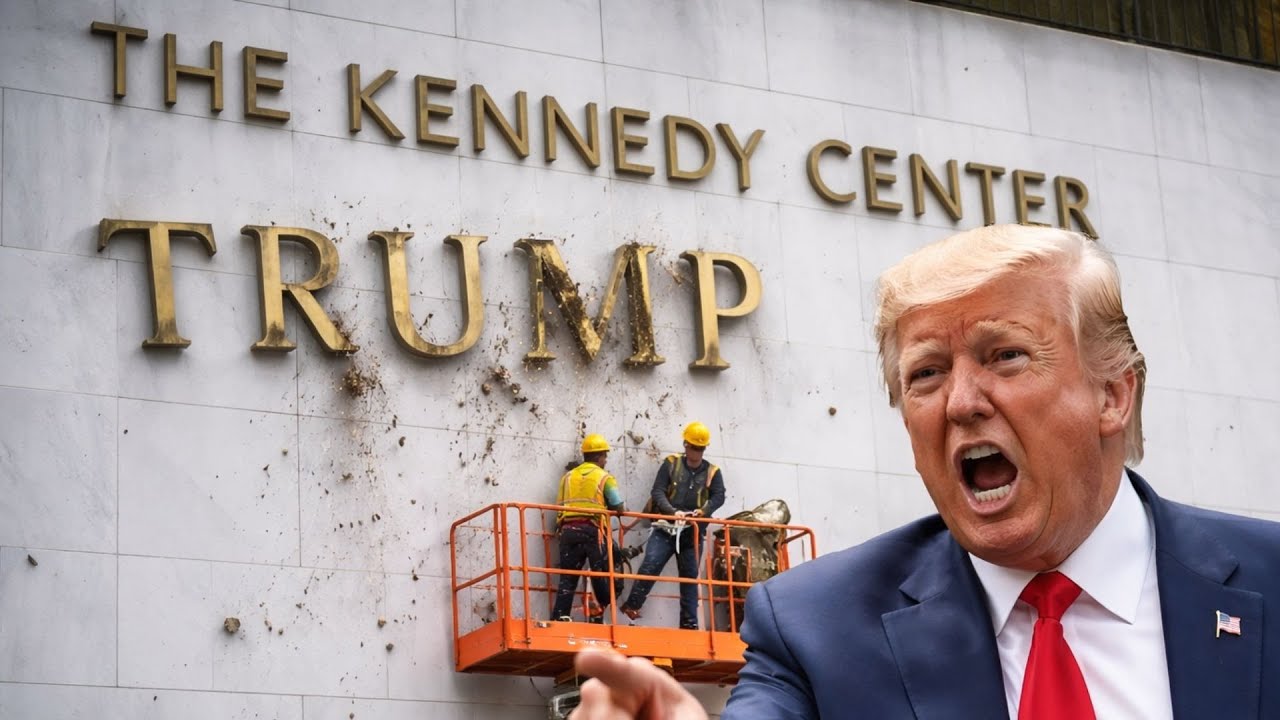
A cultural backlash is rapidly unfolding in Washington after the sudden appearance of Donald Trump’s name on the Kennedy Center, triggering artist cancellations, public outrage, and mounting legal scrutiny. What was billed by allies as a symbolic victory is instead exposing deep resistance inside America’s premier performing arts institution.
The immediate fallout came from the stage. The Cookers, a renowned jazz ensemble scheduled for New Year’s Eve performances, abruptly withdrew, with saxophonist Billy Harper condemning what he described as overt racism and cultural destruction tied to the new leadership. A New York–based dance company followed, calling its own financially painful cancellation “morally exhilarating.”
The protest is spreading across the arts world. Multiple performers, including figures associated with the musical Hamilton, have opted out rather than appear at a venue now bearing Trump’s name. For many artists, the issue is not programming or contracts, but principle—an unwillingness to legitimize what they see as the politicization of a national cultural landmark.
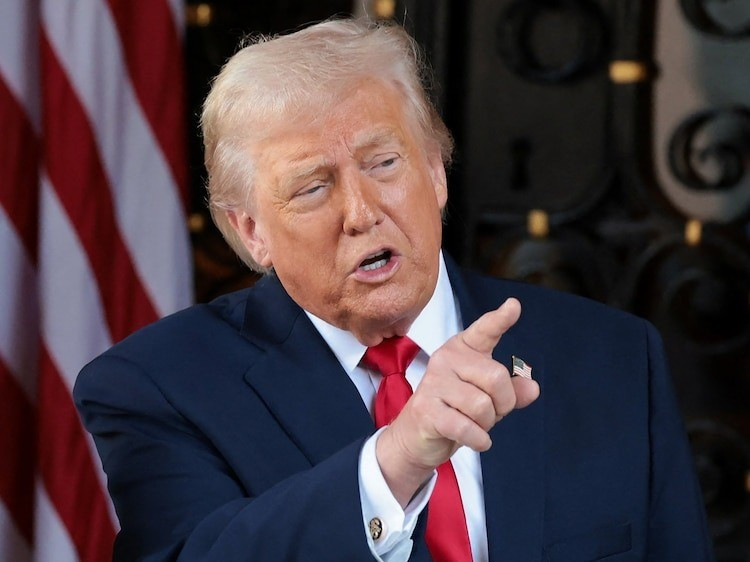
Trump allies, however, appear to welcome the confrontation. Richard Grenell, installed as Kennedy Center president, dismissed the cancellations as ideological “derangement,” arguing that artists were chosen by what he labeled a far-left previous leadership. The administration has long treated cultural conflict as a political asset, reinforcing Trump’s self-image as a disruptor of elite institutions.
Behind the scenes, the transformation of the Kennedy Center has been sweeping. The board is now dominated by Trump loyalists, including senior White House figures, signaling what critics describe as a full-scale takeover. The renaming is only the most visible step in a year-long effort to rebrand the institution in Trump’s image.
That rebranding extends beyond governance into aesthetics. Trump has personally fixated on renovations, from marble armrests to gold accents, mirroring similar cosmetic changes throughout the White House. Cultural critics argue the obsession with visual legacy reflects a deeper drive to imprint Trump’s name permanently on American history.

Yet a major obstacle remains: the law. Under federal statute, the Kennedy Center cannot be renamed without an act of Congress. Former Congressman Joe Kennedy III has called the move illegal, emphasizing that the center is a living memorial to President John F. Kennedy, created to unite Americans through the arts, not serve as a personal branding vehicle.
The controversy now threatens real consequences. Washington’s arts patrons skew heavily liberal, and sustained boycotts could undermine attendance, funding, and prestige. Even if Trump retains control, the resistance signals a deeper truth—cultural institutions cannot be renamed by force alone, and legitimacy, once lost, is far harder to rebuild than signage.