Russia “Leaks” Chilling Leverage Over Trump as His Putin Posture Sparks Panic and Global Alarm

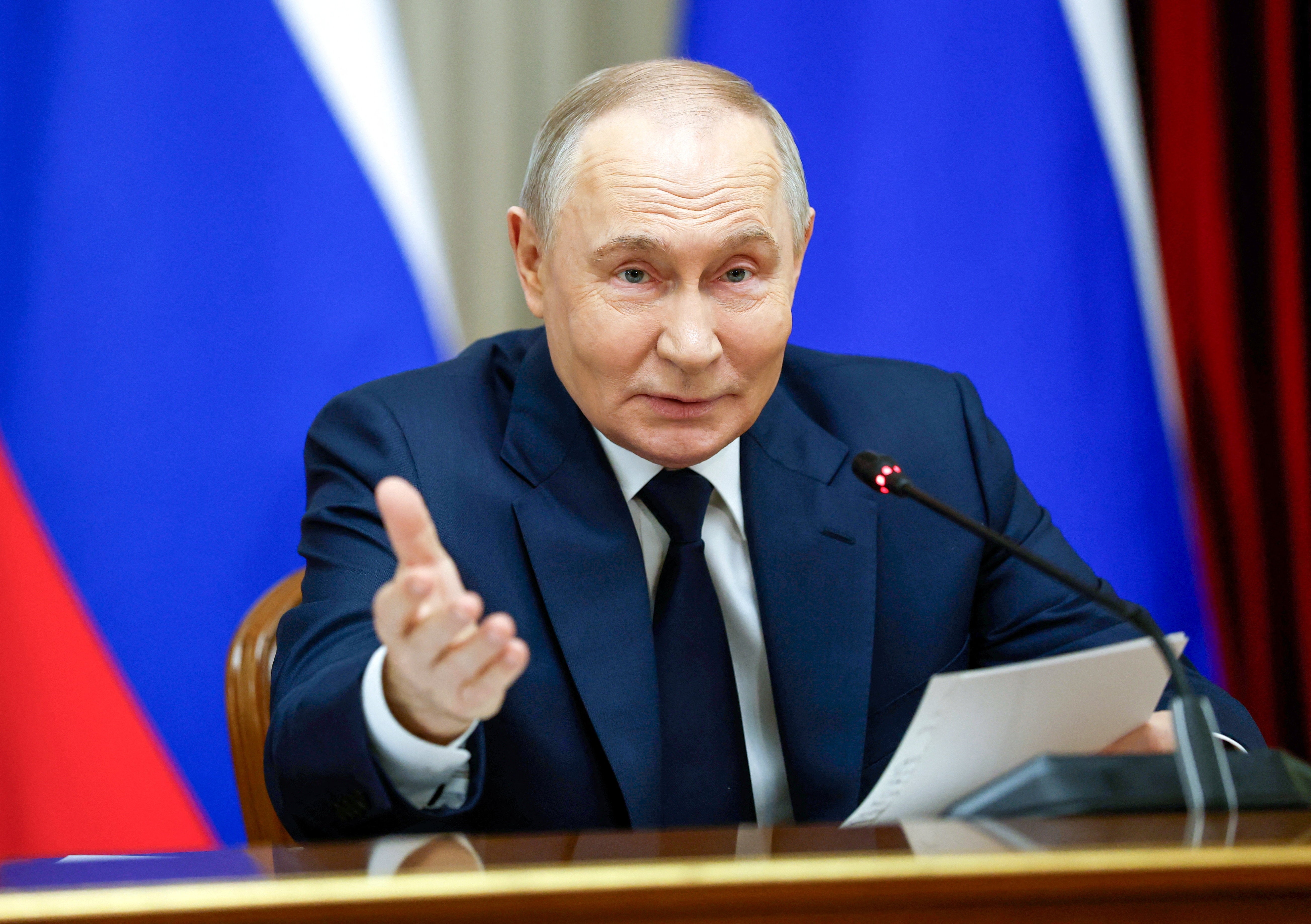
A fresh wave of scrutiny is engulfing Donald Trump after remarks praising Vladimir Putin’s supposed goodwill toward Ukraine triggered disbelief, outrage, and renewed speculation about Moscow’s leverage over the former president. The comments, delivered after a call with Putin, sharply contradicted Russia’s actions on the battlefield and reignited fears of geopolitical blackmail.
Trump claimed Putin was “very generous” toward Ukraine and wanted to see it succeed, even suggesting Russia would help supply energy at low prices. The assertion stunned diplomats and analysts alike, coming as Russian forces intensified deadly strikes on residential areas in Kyiv and continued a campaign aimed at dismantling Ukrainian sovereignty.
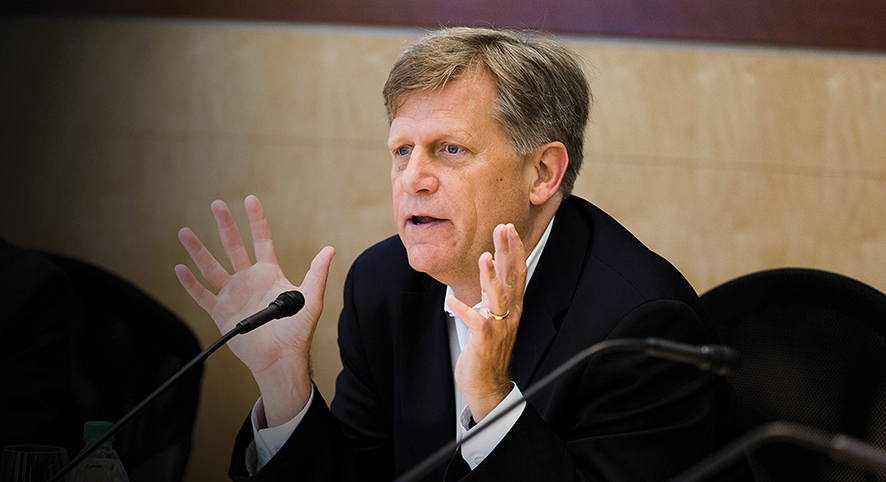
Former U.S. Ambassador to Russia Michael McFaul dismissed Trump’s characterization outright, stressing that Putin has been explicit for years about his goals. According to McFaul, the Kremlin leader denies Ukraine’s legitimacy as a nation and seeks its subjugation or erasure—objectives fundamentally incompatible with any notion of Ukrainian “success.”
Critics argue Trump’s rhetoric reflects a dangerous misunderstanding of the war, or worse, a willful refusal to confront reality. Despite multiple meetings and months of engagement, Trump has extracted no meaningful concessions from Putin, while repeatedly signaling neutrality that experts say only emboldens Moscow’s maximalist demands.
McFaul and other foreign policy veterans insist the war will not end through goodwill gestures. They argue only sustained pressure—crippling sanctions, reduced Russian energy revenues, and increased military support for Ukraine—can force Putin to the negotiating table. Without that leverage, they warn, Russia believes time is on its side.
The implications stretch far beyond Eastern Europe. Analysts note that Beijing is watching closely, drawing lessons from Washington’s response to Ukraine. China’s recent military drills around Taiwan, coupled with rising tensions with Japan, underscore fears that perceived U.S. retreat could invite aggression elsewhere.
At home, Trump’s stance has fueled darker speculation. Observers point out that most Americans, including conservatives, oppose Putin, making Trump’s persistent deference politically inexplicable. Some analysts cite ideological alignment with authoritarian strongmen; others raise the possibility of personal admiration—or kompromat that Moscow could exploit.
Whether ideology, ego, or hidden leverage is driving Trump’s posture, the consequences are profound. As autocracies test the limits of global order, critics warn that treating imperial conquest as negotiable risks repeating the failures of the 1930s—when indifference abroad ultimately led to catastrophe at home.