Shock in Florida: Republicans Lose Deep-Red Seat as Warning Signs Mount for Trump Ahead of 2026 Midterms
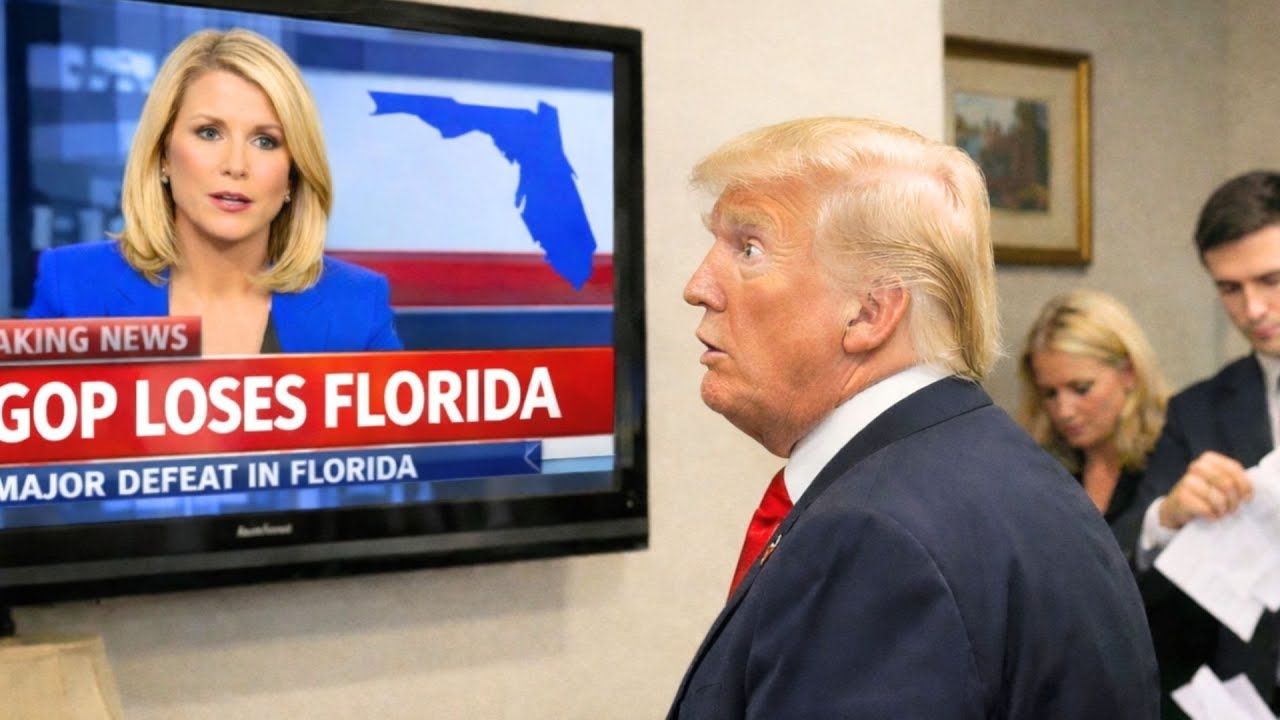
A stunning special election result in Florida has sent shockwaves through Republican circles, as the GOP reportedly lost a seat long considered safely red—fueling fresh Democratic optimism and intensifying concerns for President Donald Trump’s party heading into the 2026 midterms. The upset comes amid a broader pattern of Democratic overperformance in 2025 elections nationwide.
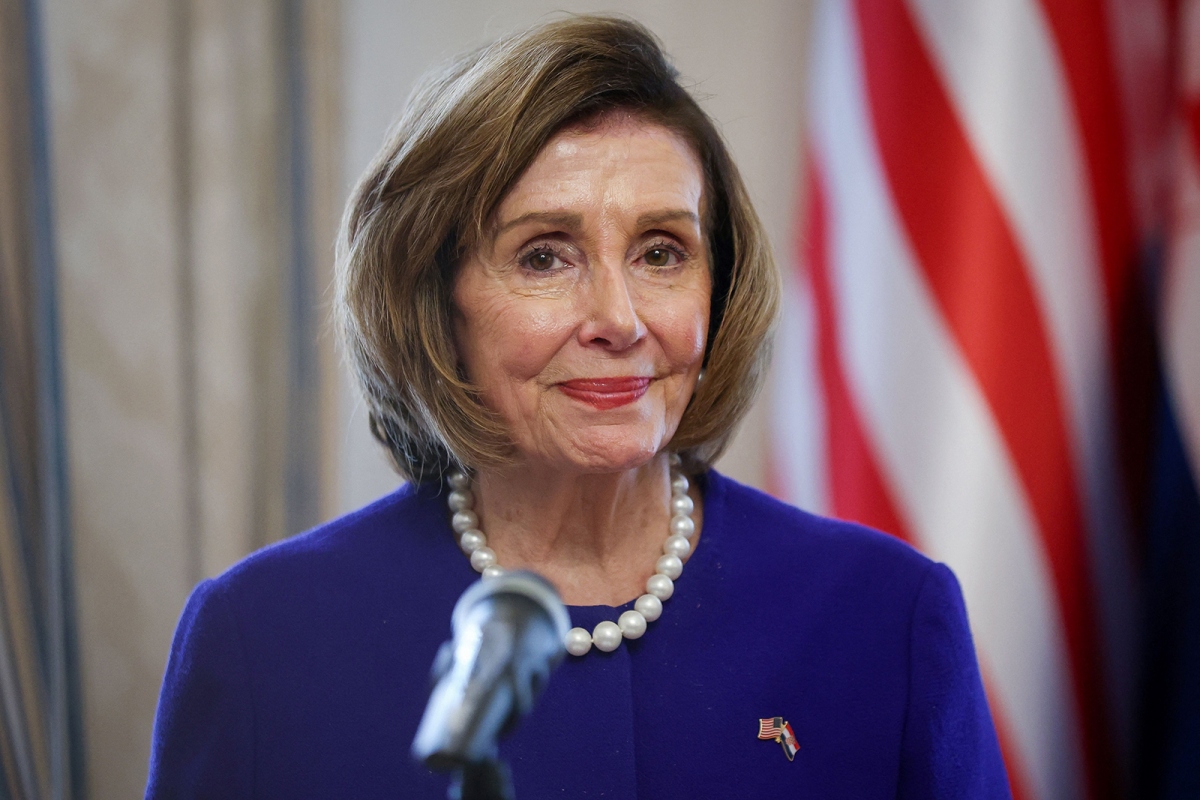
Democratic leaders are no longer hedging their language. House Speaker Emerita Nancy Pelosi captured the party’s growing confidence this week, declaring it is no longer a question of if Democrats retake the House, but when. Her remarks reflect internal data showing narrowing Republican margins and a fragile GOP majority that could collapse with just a handful of flipped seats.
Political analysts say the implications go far beyond Florida. With Republicans holding the House by only two or three seats, even modest Democratic gains could hand Democrats the gavel—and with it, sweeping oversight powers. Much like after the 2018 midterms, a Democratic House would likely move quickly to investigate the Trump administration’s spending, use of executive power, and efforts to impound congressionally approved funds.
Oversight, not sweeping legislation, would be Democrats’ most immediate weapon. Party strategists emphasize restraint, arguing that hearings and subpoenas should focus on accountability rather than spectacle. With an eye on 2028, Democrats are expected to frame investigations around transparency and competence, positioning themselves as a stabilizing alternative rather than an opposition consumed by retribution.
At the same time, President Trump appears increasingly vulnerable. Recent Gallup polling places his approval rating near 36 percent, and critics argue his unmet campaign promises are catching up with him. Vows to slash prices on “day one,” end the Ukraine war within 24 hours, and fully release the Epstein files remain unfulfilled, eroding trust even among portions of his base.
The enthusiasm gap is becoming a central concern for Republicans. While many Trump voters have not defected outright, analysts note a growing lack of excitement—a dangerous sign in midterm elections, where turnout often decides close races. Controversies surrounding the Epstein files and perceived inconsistencies have fueled doubts about whether Trump is delivering on his “outsider” image.
Ironically, aggressive Republican gerrymandering efforts in states like Florida and Texas may now be backfiring. Designed to maximize gains during red waves, these maps leave once-safe districts with thinner margins. In a national environment tilting against the GOP, those diluted buffers can quickly collapse, turning former strongholds into Democratic pickups.
Republican strategists themselves are sounding alarms, echoing warnings heard before the underwhelming 2022 midterms. Then, GOP leaders privately acknowledged the absence of a red wave—and were proven right. Now, with early losses in deep-red territory and declining enthusiasm around Trump, many in the party fear history may repeat itself. If Florida is any indication, 2026 could be shaping up not as a battleground—but as a referendum on Trump’s grip over the Republican Party.