Regret, Rage, and Reckoning: Former Trump Supporters Break Ranks as Survivors Speak Out
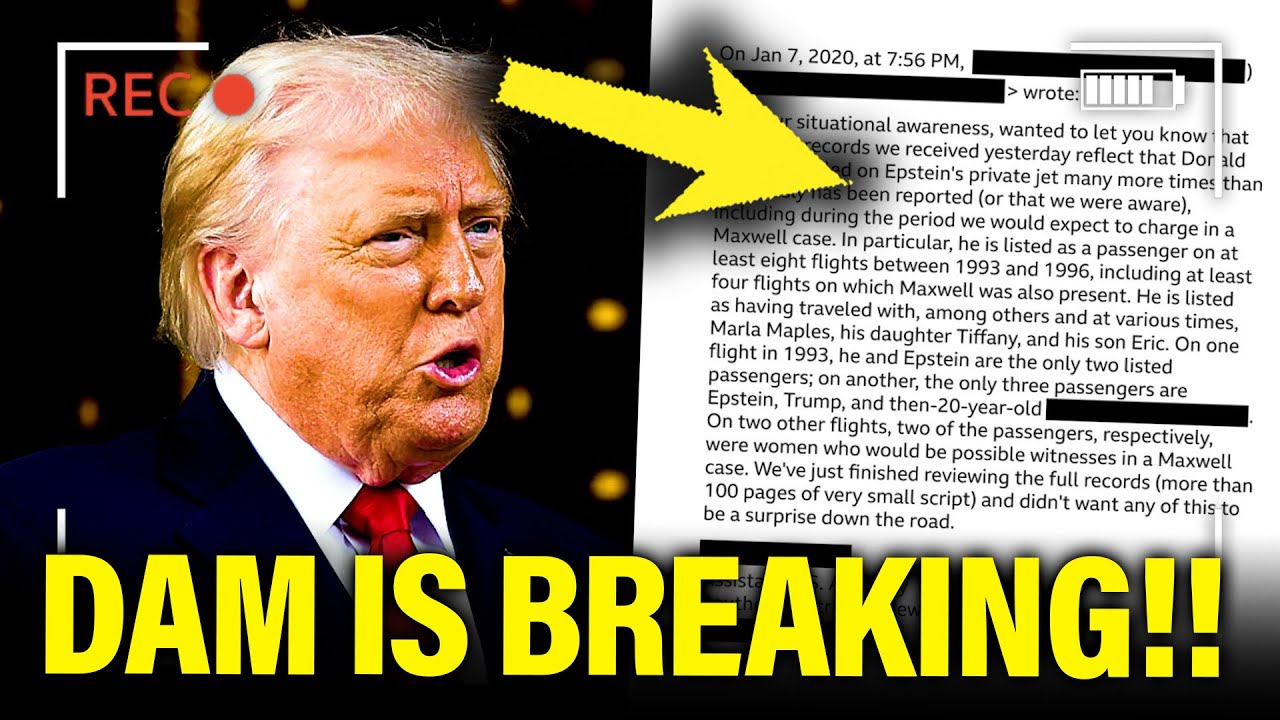
A growing wave of disillusionment is rippling through Donald Trump’s former base as survivors, longtime supporters, and self-described MAGA voters publicly withdraw their backing, many expressing anger, shame, and a sense of moral reckoning. What was once unwavering loyalty is now fracturing in plain view across social media and independent media platforms.
One of the most striking moments comes from an Epstein survivor who says she voted for Trump in the last election and now unequivocally regrets it. In a raw public statement, she denounced the administration, called for the resignation of Pam Bondi and Kash Patel, and said she would support impeachment. Her words resonated widely, not because they were partisan, but because they came from someone who once believed.

That sense of regret is echoed by a viral post from a former Trump campaign supporter known online as the “Patriotic Blonde.” In an emotional message, she admitted she ignored years of warnings, mocked critics, and devoted nearly a decade to Trump’s political rise—only to realize, too late, that “this is not the man I voted for.” Her apology, however, ignited fierce debate rather than reconciliation.
Critics were quick to respond that Trump had never hidden who he was. Commenters pointed to his mocking of a disabled reporter, the “grab them” tape, repeated sexual assault allegations, and open cruelty as evidence that nothing about his behavior was new. To many, the apology rang hollow because it focused on personal disappointment rather than the harm inflicted on others.
Psychologists and mental health professionals weighed in, arguing that true accountability requires more than regret. A genuine apology, they said, must name the damage done, express contrition, and commit to change. Insults toward political opponents, even before apologizing, were described as effectively canceling out any claim of growth or self-reflection.
The backlash intensified when voices from outside the U.S. joined the conversation. A Ukrainian commentator linked past pro-Trump rhetoric to real-world consequences, arguing that dismissive attitudes toward Ukraine and democracy had helped normalize policies that caused lasting international harm. For her, forgiveness was not on the table.
Other posts revealed the limits of regret among remaining supporters. Some continued to frame their disappointment narrowly—objecting to Trump’s rhetoric only when it targeted someone they personally liked, while ignoring policies that stripped healthcare, food assistance, and legal protections from vulnerable communities. Critics called this selective outrage a moral contradiction, not a change of heart.
As more former MAGA voters announce their departure, activists on the left remain divided over how to respond. Some urge patience, while others insist that leaving the movement is only the first step. Without deep self-examination, accountability, and efforts to repair the damage done, they argue, regret alone is not redemption. What is unfolding now is not just a political shift, but a national reckoning over responsibility, harm, and trust—and whether it can ever truly be restored.