The Quiet Meeting Before Trump: How a Halifax Stop Reframed Ukraine’s Most Critical Negotiation
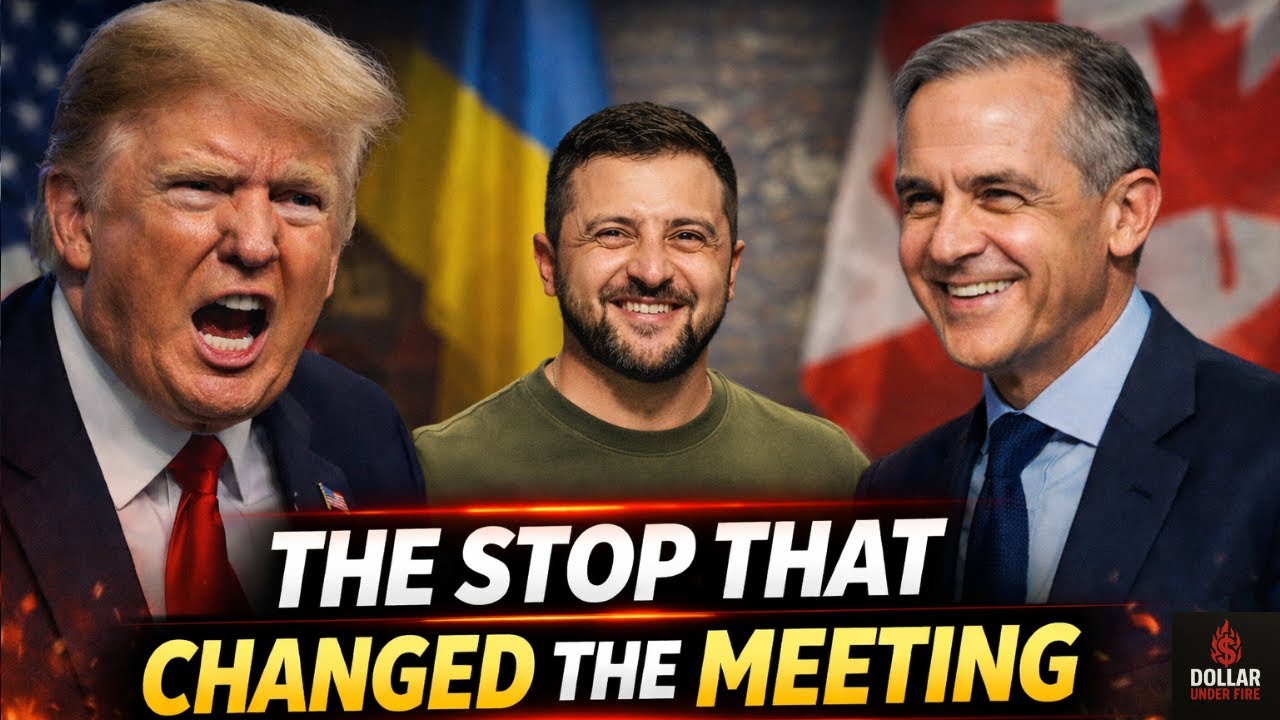
Just before one of the most consequential meetings of this decade, Ukraine’s president made a move that barely registered in headlines but spoke volumes in diplomatic circles. Before sitting down with Donald Trump—before entering a room defined by pressure, unpredictability, and power politics—he made a deliberate, quiet stop in Halifax, Canada. It was not ceremonial, not publicized in advance, and not accidental. It was preparation.
At a moment when most leaders would rush to Washington, NATO headquarters, or Brussels, the choice of Canada stood out. The timing mattered. This meeting happened immediately before the Trump encounter, a detail that transforms it from courtesy into strategy. In diplomacy, sequence is language. Who you consult first often reveals who you trust most when the stakes are real.

That choice pointed directly to Prime Minister Mark Carney, a leader known less for theatrics and more for composure under pressure. Carney’s reputation was forged during financial crises and market shocks, not campaign cycles. He is widely seen as someone who understands leverage, restraint, and how power actually functions in negotiations—especially with figures who thrive on dominance and unpredictability.
Negotiating with Trump is not about policy binders or formal scripts. It is about psychology. Trump probes for reactions, tests boundaries, and uses volatility as a tool. Carney is known to understand this pattern from experience, not theory. His approach emphasizes calibration over confrontation—asserting firmness without escalation, projecting resolve without feeding conflict. For a leader about to enter that environment, such guidance is invaluable.

The signal from Halifax was subtle but unmistakable. Ukraine was not walking into talks isolated or reactive. Standing beside Carney conveyed steadiness, alignment, and preparation. No accusations were made, no warnings issued, yet the message landed: this negotiation would not unfold on Trump’s terms alone. In diplomacy, presence and posture often matter as much as words.
Canada’s role went beyond symbolism. Ottawa paired restraint with substance, backing its support with a $2.5 billion financial commitment designed to unlock additional funding from the IMF, World Bank, and European reconstruction institutions. This structure mattered. In geopolitics, money is not just about amounts—it is about leverage. Financial stability reduces desperation, and reduced desperation strengthens a negotiating position.
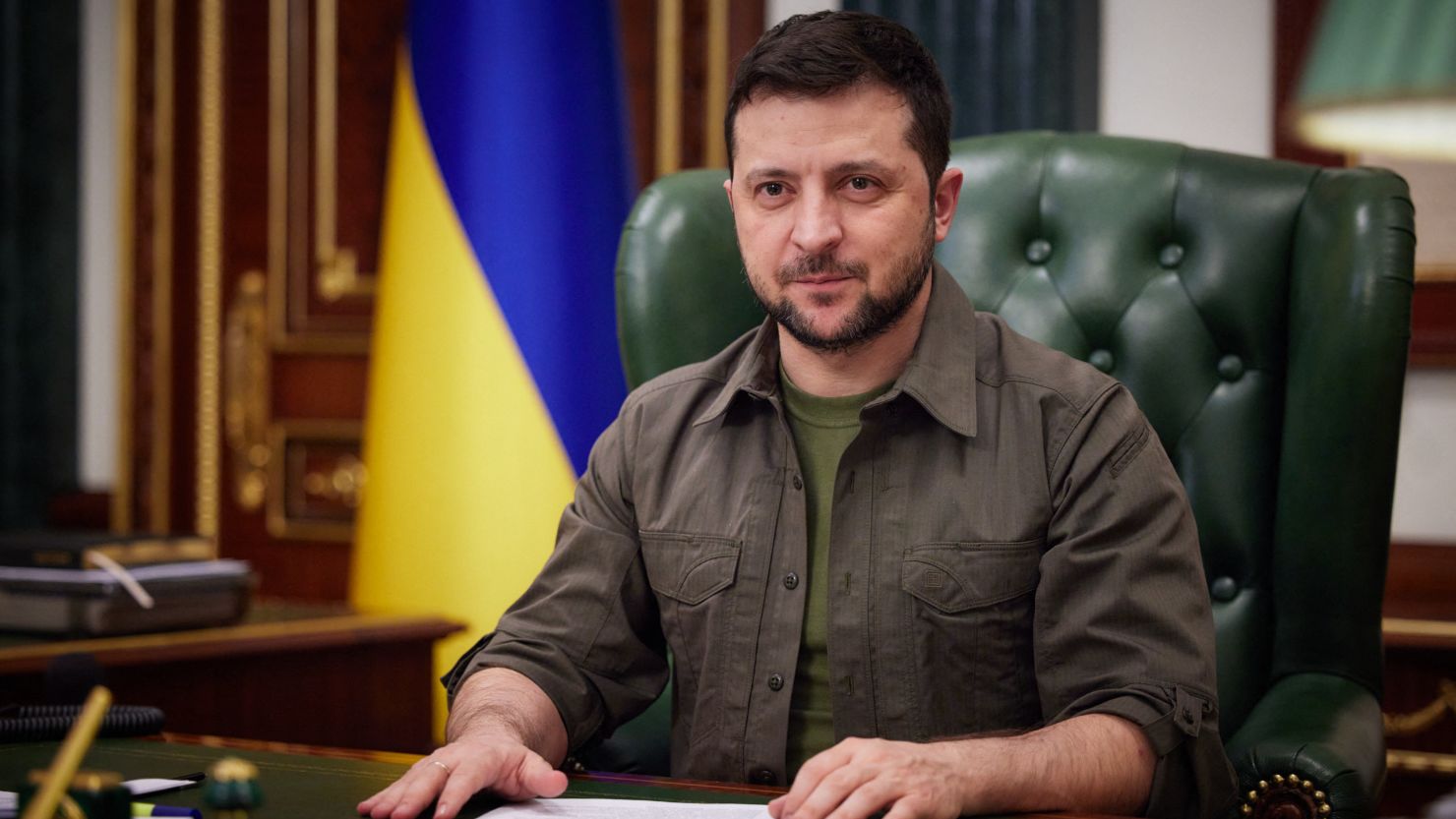
The impact was visible in tone. After Halifax, Ukraine’s messaging became more measured and grounded. There was no emotional escalation, no dramatic appeals. Instead, the emphasis was on realism: pressure on Russia, sustained defense, and diplomacy without illusion. In high-stakes negotiations, restraint signals control. Calm language often reveals deeper preparation than forceful rhetoric.
This meeting was never meant to dominate headlines. Its power lay in what it revealed. When a leader facing one of the most difficult conversations of his presidency chooses to pause, recalibrate, and align before stepping into pressure, that decision shows where real influence resides. Halifax was not coincidence. It was confidence, trust, and a glimpse into a quiet shift in global diplomacy—away from spectacle, and toward stability.