BREAKING: Canada’s Quiet Greenland Move Redraws the Arctic Power Map Overnight
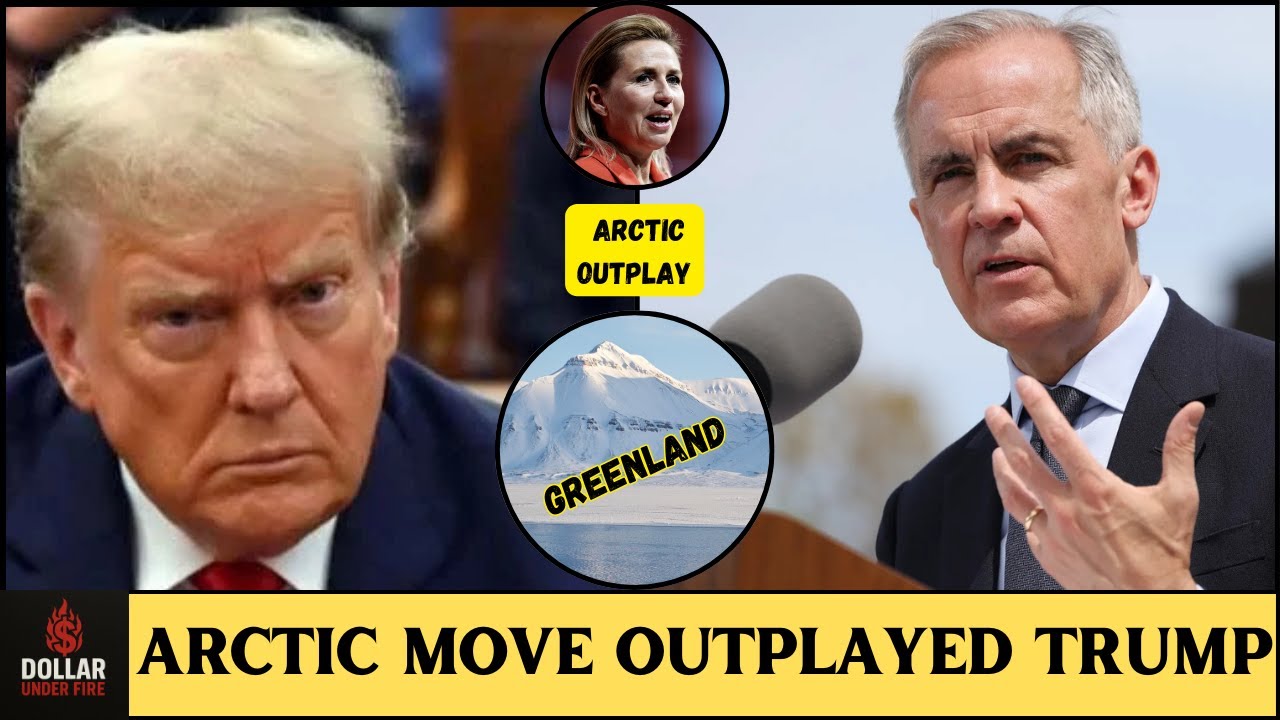
When Donald Trump returned to office and revived talk of taking Greenland, most analysts expected a familiar script: diplomatic outrage, symbolic resistance, and then silence. Canada, long known for caution in Arctic politics, was widely assumed to stay out of the spotlight. That assumption collapsed almost instantly. Ottawa did not protest loudly or issue theatrical warnings. Instead, it moved—calmly, deliberately, and with consequences that are now reshaping the balance of power across the Arctic.
The shift began when Trump stopped floating ideas and started acting, appointing an envoy with a blunt mandate to make Greenland “American.” The language was unmistakable, and in diplomatic terms, alarming. Greenland is not an unclaimed outpost but a self-governing territory of Denmark, positioned at the crossroads of emerging Arctic shipping lanes and sitting atop critical mineral reserves. By framing Greenland as an acquisition target, Washington crossed a line many allies believed modern geopolitics had abandoned.
Canada understood immediately what was at stake. Greenland’s status is inseparable from Arctic security, and Arctic security is existential for Canada. Any attempt to normalize annexation logic threatens not just Denmark’s sovereignty, but the rules that protect every Arctic nation. For a country whose northern geography defines its identity and security, allowing that precedent to stand was not an option.
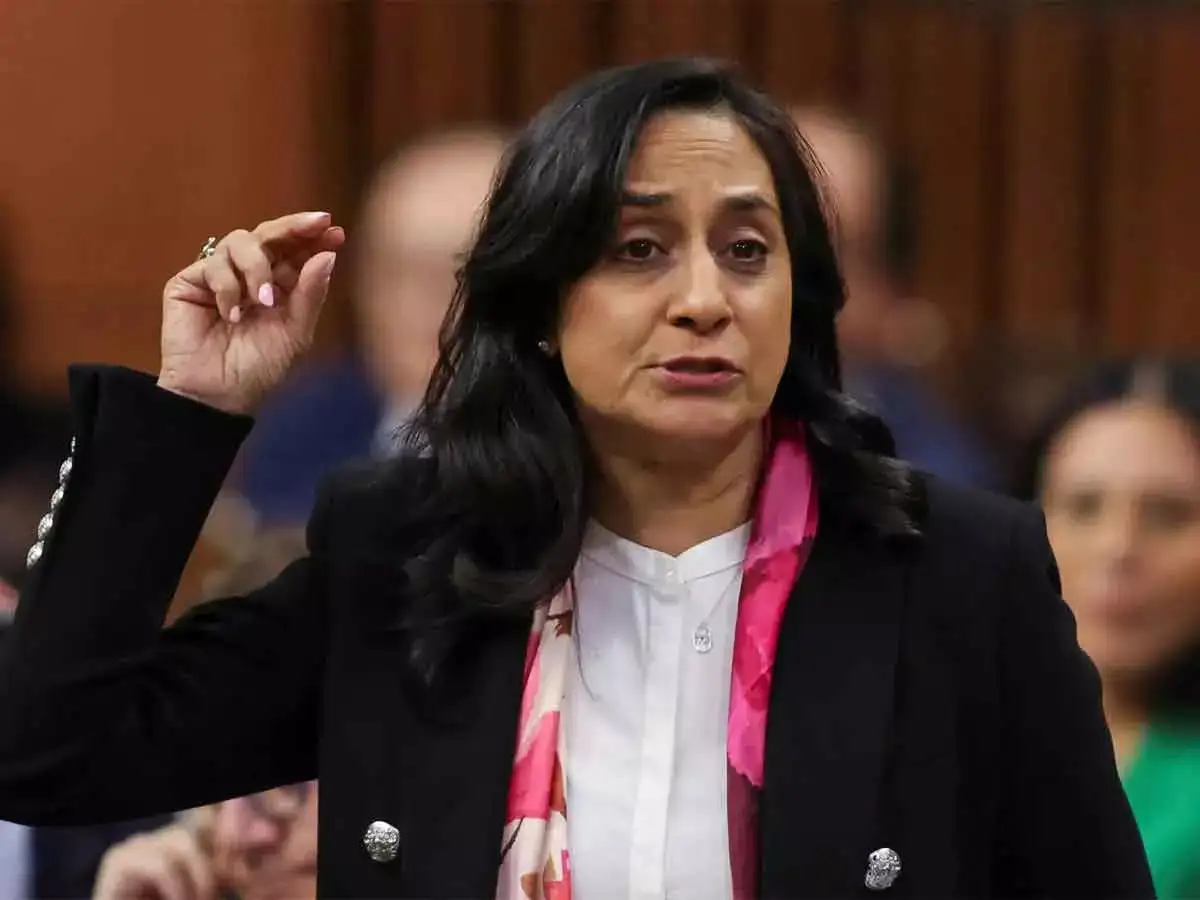
Rather than escalating rhetoric, Canada responded with precision. Foreign Minister Anita Anand issued a brief but powerful statement affirming the “fundamental importance of sovereignty and territorial integrity.” In diplomatic language, “fundamental” signals non-negotiable principles. It was not posturing for headlines; it was Ottawa drawing a hard boundary and rejecting the legitimacy of territorial coercion outright.

Then came the move Washington did not anticipate. Anand directly contacted Denmark’s foreign minister to affirm alignment, recognizing Greenland’s self-governance and Denmark’s constitutional framework. This was not neutrality—it was solidarity. By treating Greenland as a partner rather than a prize, Canada sent a signal across the Arctic that it understood the rules of influence in a region governed by trust, not intimidation.
Canada followed words with infrastructure. Ottawa announced a permanent consulate in Nuuk, Greenland’s capital—not a proposal, but a decision. In diplomacy, presence matters more than speeches. A consulate embeds relationships, creates daily channels of communication, and signals long-term commitment. While Washington dispatched an envoy focused on acquisition, Canada invested in cooperation, quietly anchoring itself inside Greenland’s political and economic ecosystem.
The ripple effects extended beyond Greenland. Canada reinforced its leadership within the Arctic Council and pushed for renewed NATO focus on northern defense rooted in shared surveillance and respect for sovereignty. Instead of reacting to U.S. pressure, Ottawa reframed the entire Arctic conversation. Other Arctic nations noticed. In a region where credibility determines access and access determines power, Canada positioned itself as the stabilizing force.

The result was a reversal of expectations. Trump’s annexation rhetoric, intended to project strength, instead signaled unpredictability—an unforgivable flaw in Arctic geopolitics. Canada’s response demonstrated the opposite: consistency, legitimacy, and strategic patience. In doing so, Ottawa showed how influence now accumulates in the north—not through force, but through reliability. What unfolded was never just about Greenland. It was a preview of a changing global order, where power built on intimidation fades quickly, and power built on trust quietly compounds.