Trump’s Holiday Clemency Wave Draws Scrutiny Amid Questions of Motive and Precedent
WASHINGTON — In a season traditionally marked by acts of mercy, President Trump has issued a flurry of pardons and commutations in recent weeks, extending executive clemency to a diverse array of figures, including political allies, foreign leaders and white-collar offenders. The actions, which have accelerated since the president’s return to office in January, have reignited long-standing debates about the scope of the pardon power, its potential for favoritism and the absence of formal checks on its use. Critics, including legal scholars and some members of Congress, argue that the selections appear to prioritize loyalty and personal connections, while defenders maintain that the president is correcting perceived injustices from prior administrations.
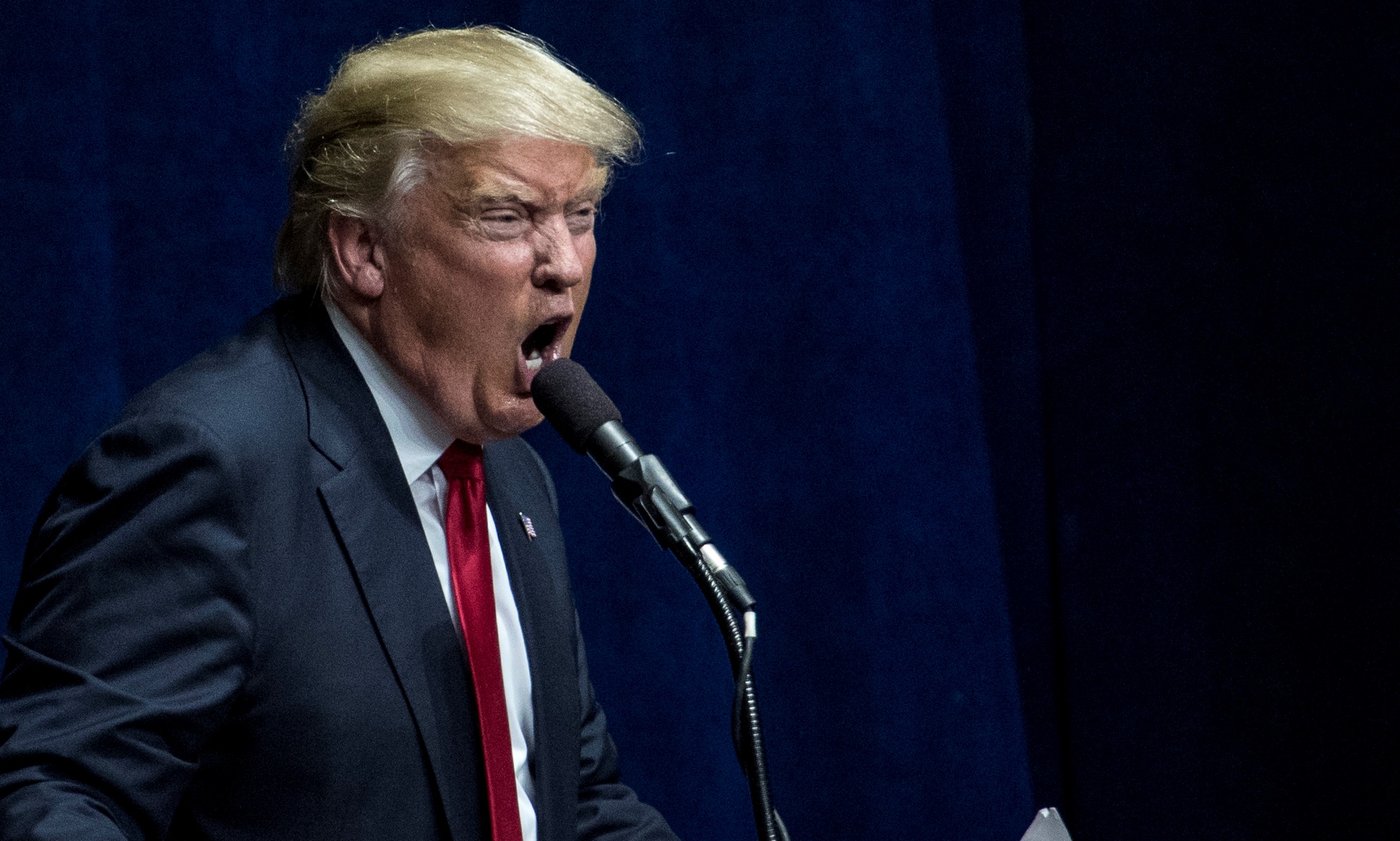
Among the most notable recent grants was the pardon of former Honduran President Juan Orlando Hernández, who was serving a 45-year sentence for drug-trafficking convictions. The decision, announced just before the holidays, surprised observers given Hernández’s conviction in a U.S. court and his ties to narcotics networks. Similarly, the pardon of Rep. Henry Cuellar, a Texas Democrat facing bribery and money-laundering charges, and his wife, Imelda, drew attention for crossing party lines—though Mr. Trump cited Cuellar’s criticism of Biden-era border policies as a factor. Other beneficiaries include cryptocurrency executive Changpeng Zhao, whose company has business links to Trump family ventures, and a range of individuals tied to the January 6, 2021, Capitol events, many of whom received mass clemency earlier in the year.
The pace of these actions—more than 1,600 grants of clemency reported this year, according to Justice Department records—far exceeds that of recent predecessors. Mr. Trump has largely bypassed the traditional review process at the Office of the Pardon Attorney, installing loyalists and creating informal channels for recommendations. This approach, proponents say, allows for swift rectification of what the president calls a “weaponized” Justice Department under his predecessor. Yet experts note that it deviates from norms established over decades, where petitions were vetted for remorse, rehabilitation and broader public interest.
The symbolic timing of several announcements around Christmas has amplified perceptions of the pardons as personal gifts. One article described them as “lumps of coal” for those concerned about accountability, highlighting cases where restitution to victims has been erased. In Hernández’s case, questions linger about any diplomatic or economic considerations, though the White House has dismissed such speculation. Likewise, the pardon of figures like Rudy Giuliani and Mark Meadows, preemptively granted despite no active federal charges, has fueled discussions about shielding associates from future scrutiny.

Congressional response has been muted, with Republicans largely supportive or silent, and Democrats decrying the moves as eroding public trust in the justice system. A resolution condemning the January 6-related pardons was blocked in the Senate earlier this year. Legal analysts emphasize that the Constitution grants the president near-unlimited authority in this domain, with no mechanism for congressional override short of impeachment—a high bar unlikely to be met.
As the year ends, the pardons underscore a broader pattern in Mr. Trump’s second term: a willingness to wield executive tools aggressively to reward allies and challenge institutional constraints. While some recipients, like anti-abortion activists or nonviolent offenders, align with conservative causes, the inclusion of corrupt officials and foreign figures raises broader questions about consistency and transparency. Historians compare the volume to mass clemencies by past presidents, but note the political tilt as distinctive.
The full implications remain unclear. Victims’ advocates worry about undermined deterrence, while reform groups argue for congressional oversight reforms. For now, the holiday season has served as a backdrop for a presidential prerogative exercised with unusual boldness, leaving observers to ponder whether it strengthens or strains the delicate balance of mercy and justice in American governance.