‘S.N.L.’ Segment on Redacted Epstein Files Draws Sharp Reaction From Trump Allies
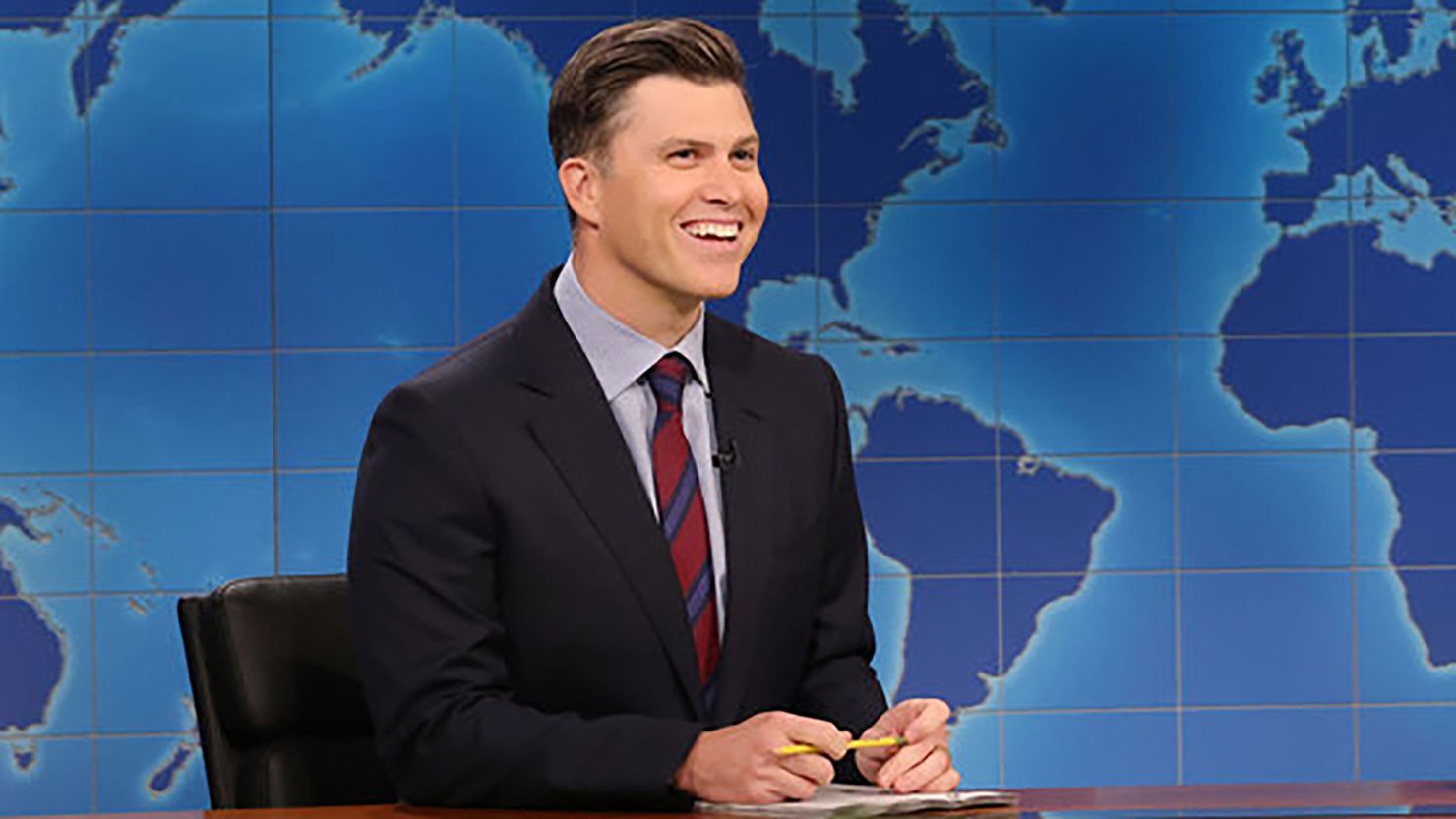
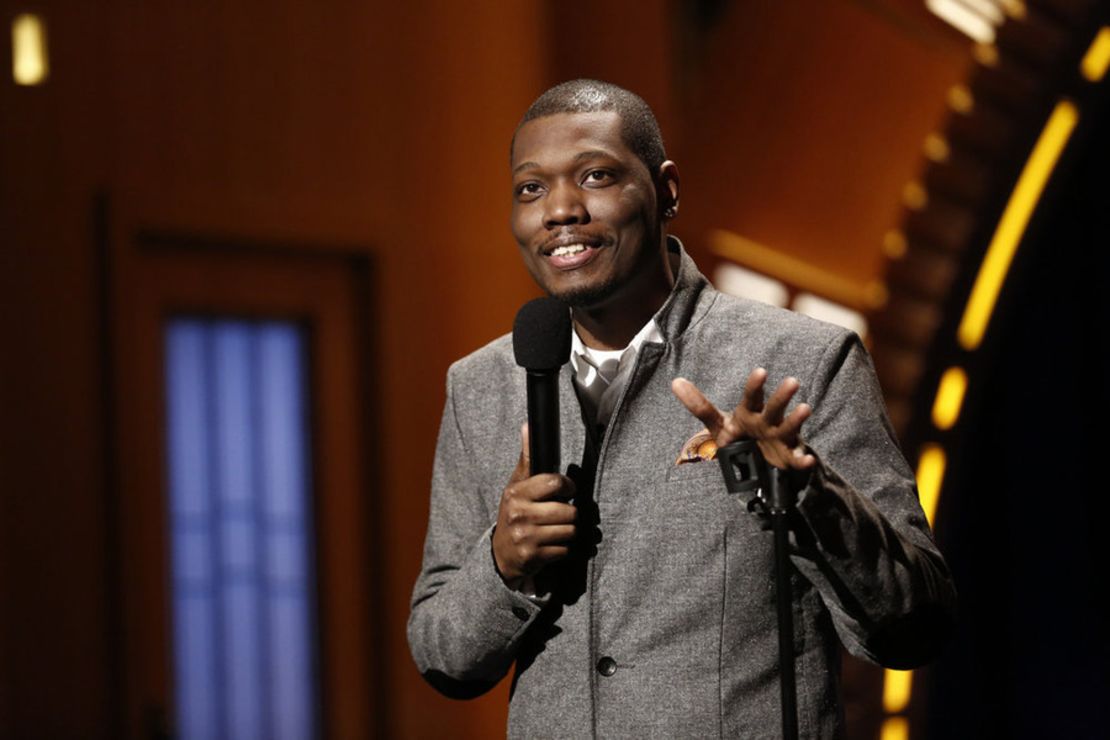
In a late-night comedy segment that has quickly become a focal point of political contention, the anchors of “Saturday Night Live’s” Weekend Update, Colin Jost and Michael Che, delivered a series of pointed jokes about the heavily redacted Jeffrey Epstein files released by the Department of Justice just days earlier. The bit, aired during the show’s holiday episode on Dec. 20, highlighted the extensive blackouts in the documents, turning the redactions themselves into the punchline and implying a deliberate effort to obscure potentially damaging information.
The segment began innocuously enough, with Mr. Jost referencing the seasonal frenzy surrounding figures who “fly through the air to visit children,” before pivoting sharply: “Jeffrey Epstein.” The studio audience responded with a mix of laughter and gasps, setting the tone for what followed.
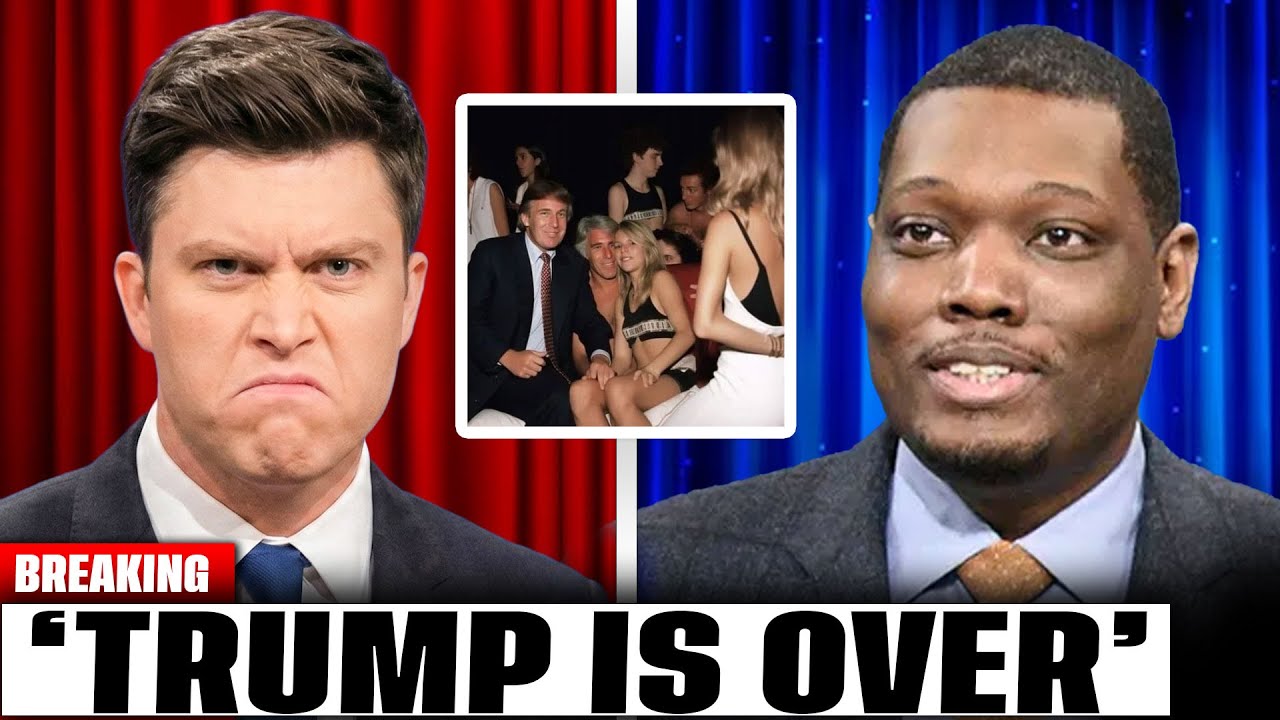
Mr. Che then took the lead, holding up images of the newly disclosed files — pages so thoroughly obscured by black marker that they resembled abstract art more than official records. “I guess the Department of Justice kept running out of black ink,” he deadpanned, pausing for effect as the camera lingered on the near-total obliterations. The joke landed squarely on the perception that the Trump administration, which oversaw the release under a transparency act signed by President Trump himself, had gone to extraordinary lengths to withhold details.
Mr. Jost followed with a wry observation: “Honestly, it’s not fair. Donald Trump was my favorite character in the Epstein files.” The line, delivered with his characteristic understated timing, elicited prolonged applause and laughter, underscoring the long-standing public fascination — and speculation — about Mr. Trump’s past associations with Mr. Epstein, the convicted sex offender who died in custody in 2019.
The cold open of the episode amplified the theme, featuring James Austin Johnson’s uncanny impersonation of Mr. Trump delivering a holiday address. In it, the fictional president boasted of renaming landmarks in his honor, quipping that it was necessary “because we had to take it off so many files — Epstein, redacted.” He then displayed a mock document with only fragmentary phrases visible: “Trump didn’t do nothing bad. Trump does sm*** but not like wrong kind. The end.” The sketch drew roars from the live audience, blending absurdity with pointed satire.
The Justice Department’s release on Dec. 19 came amid high anticipation, mandated by the Epstein Files Transparency Act, a bipartisan measure passed overwhelmingly by Congress. While hundreds of thousands of pages were made public, critics — including lawmakers from both parties and victims’ advocates — decried the heavy redactions and apparent incompleteness. Subsequent batches, including one on Dec. 23 mentioning Mr. Trump’s flights on Epstein’s private jet in the 1990s, have only intensified scrutiny.
Online, the Weekend Update clip exploded in virality almost immediately. By Sunday morning, excerpts had amassed millions of views across platforms, with hashtags like #BlackInkGate and #SNLRedacted trending. Viewers replayed the moments where the anchors calmly dissected the absences in the documents, framing the redactions not as bureaucratic necessity but as a visual admission of concealment. “It wasn’t an attack,” one viral post noted. “It was just holding up a mirror to what’s missing.”
Behind the scenes, sources close to the Trump camp described a swift and furious response. Allies of the president reportedly viewed the segment as an unfair escalation, accusing “S.N.L.” — long a target of Mr. Trump’s ire during his first term — of weaponizing humor to advance a partisan narrative. One adviser, speaking on condition of anonymity, called it “comedy as character assassination,” suggesting the show had crossed into advocacy by amplifying unproven insinuations about the files’ contents.
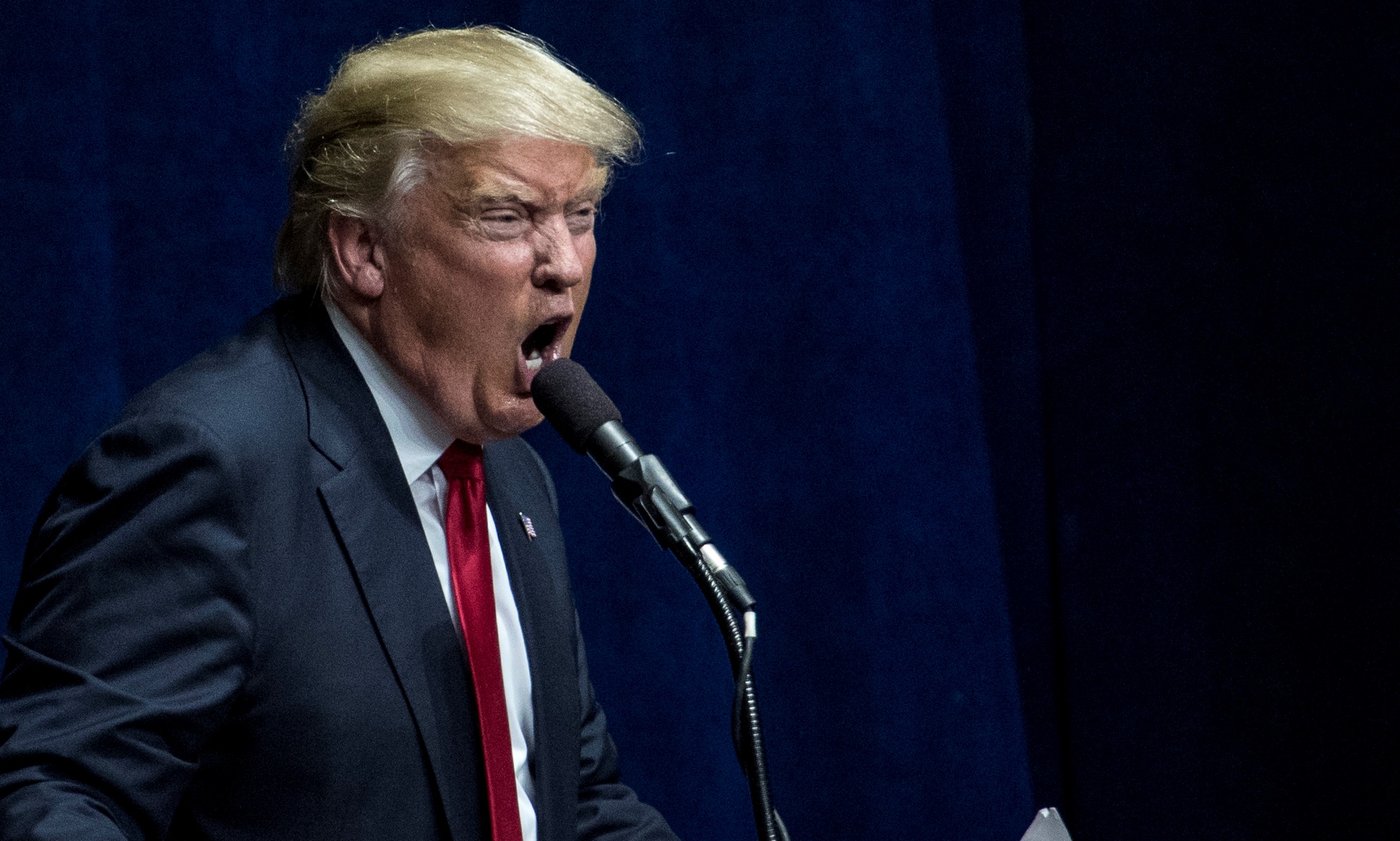
The White House has maintained that all redactions comply strictly with legal requirements to protect victims and ongoing sensitivities, with Deputy Attorney General Todd Blanche emphasizing in recent statements that no political considerations influenced the process. President Trump, who has repeatedly denied any wrongdoing in connection with Epstein and distanced himself from the financier years before his arrest, has not publicly commented on the “S.N.L.” bit as of Christmas Day.
Yet the episode’s ripple effects extend beyond late-night television. It has reignited debates over transparency in the Epstein case, with some commentators arguing that the comedy routine crystallized public skepticism more effectively than weeks of congressional hearings. Victims’ groups, while welcoming the document releases, have echoed the satire’s subtext, expressing frustration that key details remain hidden.

In an era where political satire often blurs with news, the “S.N.L.” segment serves as a reminder of comedy’s power to distill complex controversies into memorable, biting moments. Whether it fuels further releases or deeper polarization remains to be seen, but for now, the blacked-out pages — and the jokes they inspired — have become an unlikely emblem of the ongoing Epstein reckoning.