WASHINGTON — A brief stretch of halting answers and careful evasions on camera has exposed deeper tensions inside the House Republican Conference, leaving Speaker Mike Johnson confronting questions not from Democrats, but from his own ranks.
What initially appeared to be a routine media moment quickly gained traction online after video clips circulated showing Mr. Johnson sidestepping pointed questions about strategy and internal disagreements. The footage, amplified across social platforms, fed a narrative of uncertainty at the top of the House — one that Republican lawmakers say has been quietly building for weeks.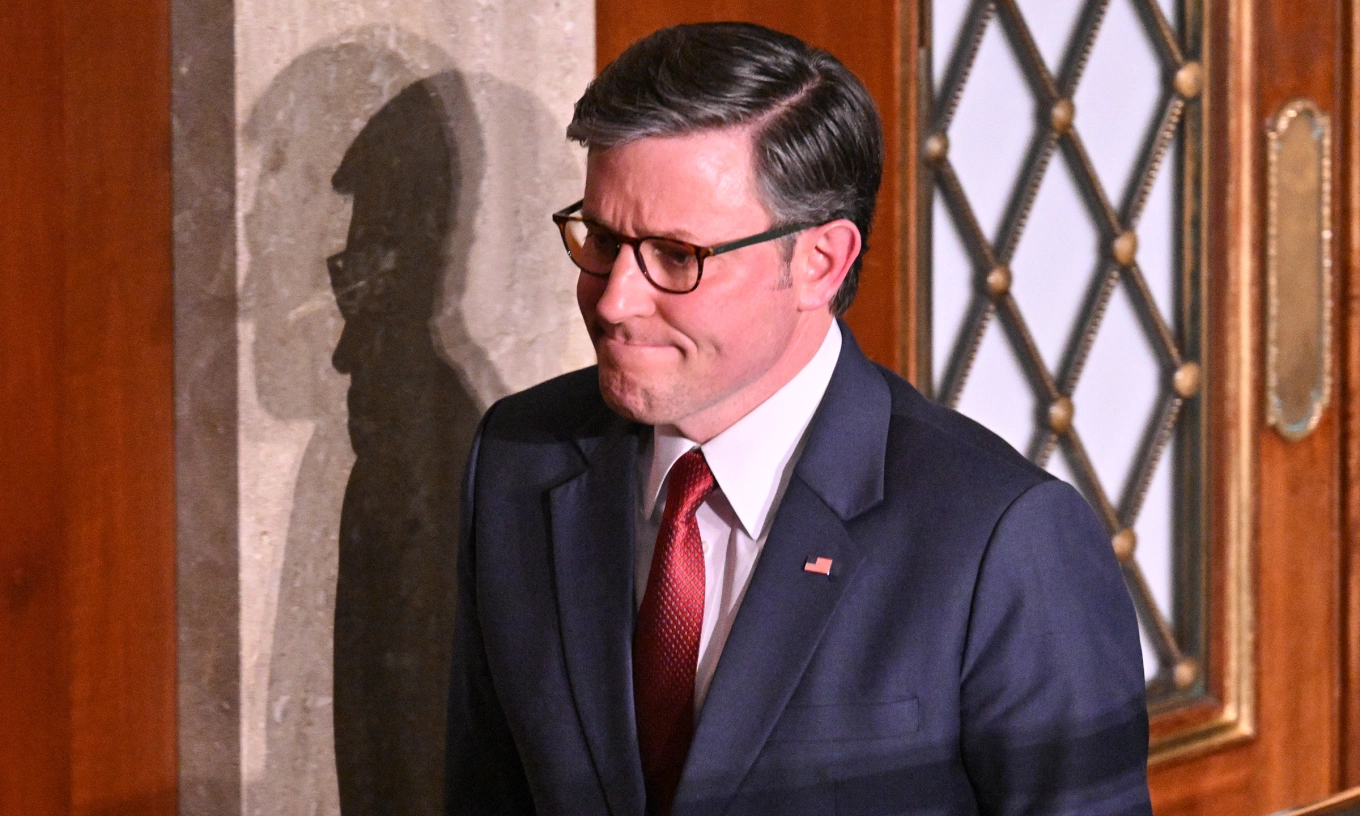
In private conversations, several Republicans described a growing frustration with the speaker’s management style and his ability to corral a conference defined by razor-thin margins and deep ideological divides. While there is no formal effort underway to challenge his leadership, multiple members acknowledged that discussions about contingency scenarios have begun, an unusual development so early in a speaker’s tenure.
“The problem isn’t one interview,” said a Republican lawmaker who requested anonymity to speak candidly. “It’s a pattern — members want clarity, and they’re not sure they’re getting it.”
Mr. Johnson ascended to the speakership after weeks of chaos that followed the removal of his predecessor, emerging as a compromise choice capable, many hoped, of uniting the party. Initially, his low-key style and emphasis on procedure were welcomed as a stabilizing force. But governing has proven more difficult. The conference remains split between hard-liners demanding confrontation and pragmatists wary of political backlash ahead of elections.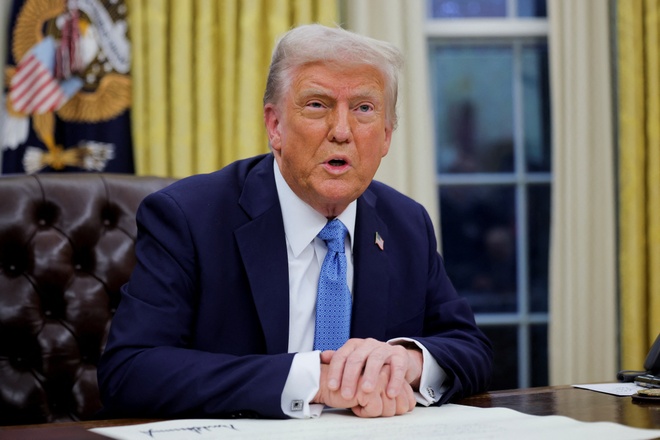
Those tensions have been most visible around spending deadlines, the threat of government shutdowns, and messaging discipline. Conservatives have pressed the speaker to take tougher stances, while moderates argue that such moves risk alienating swing voters and jeopardizing the party’s narrow majority. Mr. Johnson has tried to balance those demands, often emphasizing process over provocation, but critics say the approach has left too many members dissatisfied.
Publicly, Republican leaders have sought to tamp down talk of a revolt. Several lawmakers defended Mr. Johnson this week, noting the challenges of leading a closely divided House and arguing that online speculation exaggerates internal disagreements. “He’s dealing with an impossible math problem,” said one senior Republican. “Anyone in this role would face criticism.”
Still, the existence of internal doubt has consequences of its own. Political strategists note that even whispers of instability can weaken a speaker’s leverage, emboldening factions to push harder for their priorities. In a chamber where a handful of votes can determine outcomes, perceptions of control matter almost as much as actual authority.
The episode also underscores how quickly digital media can reshape political narratives. Clips that last only seconds can overshadow weeks of behind-the-scenes negotiation, hardening opinions before leaders have a chance to respond. For Republicans already sensitive to signs of disarray, the viral spread of the footage proved especially damaging.
Mr. Johnson has attempted to project calm, emphasizing unity and the need to focus on legislative goals. In statements to reporters, he has dismissed suggestions of internal rebellion and reiterated his commitment to advancing the party’s agenda. Yet some lawmakers privately say reassurance alone may not be enough. They want clearer direction — and visible results — as deadlines approach.
Analysts caution against overstating the immediacy of a leadership challenge. Removing a speaker is a high bar, and many Republicans remember the political cost of recent upheaval. But the warning signs are unmistakable. The same forces that propelled Mr. Johnson into the role — fragmentation, mistrust, and competing demands — remain firmly in place.
With major legislative fights looming and election season drawing closer, the speaker’s ability to steady his conference will be tested repeatedly. Whether the current unrest fades as another turbulent news cycle or evolves into a more serious challenge may depend on how quickly he can rebuild confidence inside his own party.
As one Republican aide put it, “This isn’t a coup — at least not yet. But it’s a reminder that in this House, leadership is only as strong as the conference’s willingness to follow.”