Former Trump Associate Details Epstein Ties Amid Broader Backlash on Energy and Trade Policies
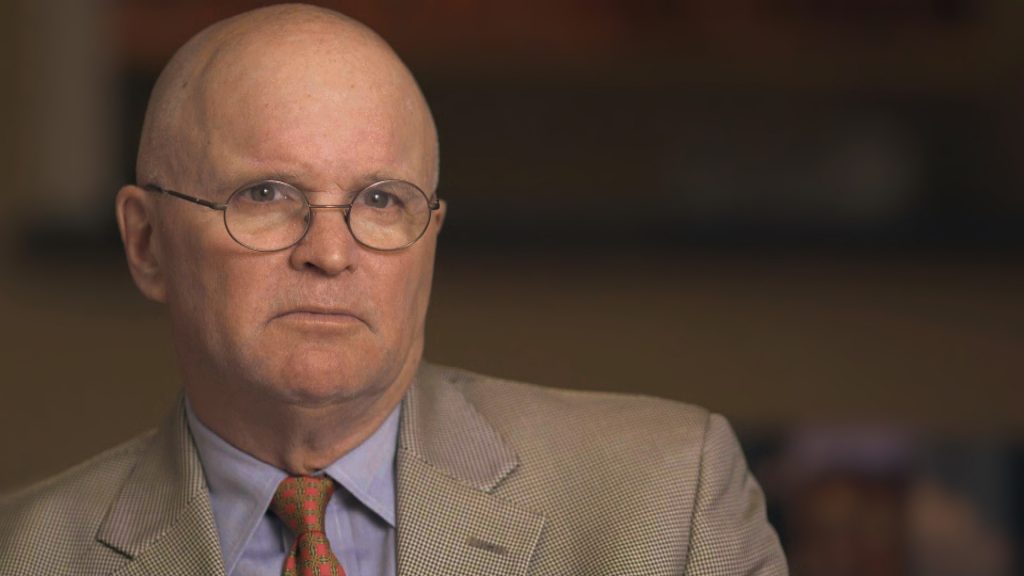
WASHINGTON — A former executive at one of Donald J. Trump’s Atlantic City casinos has reiterated claims that Jeffrey Epstein was Trump’s “best friend” during the 1990s, citing multiple sightings of the pair together and emphasizing the significance of newly released documents showing Trump on at least eight flights aboard Epstein’s private jet. Jack O’Donnell, who served as president and chief operating officer of Trump Plaza Hotel and Casino from 1987 to 1990, shared these observations in a July 16, 2025, interview with CNN’s Erin Burnett, amid the Justice Department’s staggered release of Epstein-related files. O’Donnell’s account adds personal context to longstanding questions about Trump’s relationship with the convicted sex offender, as the president faces mounting scrutiny over his administration’s policies on energy and trade that are alienating key constituencies.

O’Donnell, author of the 1991 book “Trumped! The Inside Story of the Real Donald Trump,” described Epstein as a frequent presence in Trump’s social circle during the casino boom era. “I think today’s announcement that they at least eight flights that Donald Trump took on Epstein’s plane is a clear sign that they’re at the very least very good friends,” O’Donnell told Burnett, referring to a 2020 internal DOJ email revealed in the files that documented Trump’s travels on Epstein’s Lolita Express, including a 1993 flight with only Trump and Epstein listed as passengers, and another with a 20-year-old whose name was redacted. He emphasized that the “drip drip drip” release of documents appears purposeful, likening it to a cover-up and stressing the victims were children at the time of the alleged abuses.
Social media has amplified O’Donnell’s claims, with X users resurfacing his past testimonies. A July 17 post from @CNNPolitics shared the interview clip, garnering over 500,000 views and comments like one from @ResisttheMS: “Out front now is Jack O’Donnell the former president and chief operating officer of the Trump Plaza Hotel and Casino Jack you know just as …” Conservative accounts, such as @MarioNawfal, dismissed the revelations as old news, but progressive voices like @Susan16Park highlighted broader patterns: “Learnings this week. Trump lied about not knowing about Project 2025. Trump said he would deploy troops against the enemies within – USA citizens.” O’Donnell’s book and interviews, including a 2016 PBS Frontline segment, have long painted Trump as exhibiting “bigotry” in business dealings, adding layers to the Epstein narrative.
The Epstein disclosures come as Trump’s domestic policies face backlash from unexpected quarters, including the energy sector and agriculture—constituencies that largely supported him in 2024. On December 22, the Trump administration paused construction on five major offshore wind projects, including Revolution Wind off Rhode Island and Connecticut, citing unspecified national security risks. The order, affecting projects like Vineyard Wind in Massachusetts and Revolution Wind developed by Ørsted and Eversource, threatens thousands of jobs and could raise electricity prices in the Northeast.
Connecticut officials decried the move as pretextual. Senator Richard Blumenthal (D-Conn.) demanded a briefing and documents in a December 23 statement, calling it a “pretext” that would mean “higher electricity prices” and job losses. Governor Ned Lamont (D-Conn.) echoed this on Facebook: “Statement regarding the Trump administration’s latest attempt to halt work on the nearly complete Revolution Wind offshore wind project.” The pause follows a federal judge overturning a similar stop-work order three months earlier, highlighting ongoing legal battles over renewable energy under Trump.
Eversource, a key partner in Revolution Wind, has warned of economic fallout. The project, nearly complete, was expected to power 350,000 homes and create over 1,000 jobs. CNN reported on December 22 that the suspension threatens “thousands of jobs and cheaper energy,” with critics like Blumenthal arguing it undermines U.S. energy independence. On X, @WTNH shared reactions from Connecticut lawmakers, while @NBCConnecticut posted a video: “A massive wind project in our state that’s almost done is now on hold.” Labor unions and environmental groups have mobilized, with the Sierra Club calling it a “gift to fossil fuel interests.”
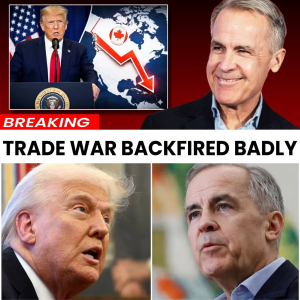
Farmers, a core Trump constituency, are also expressing disillusionment with his renewed tariffs, which have exacerbated a crisis of bankruptcies, suicides, and foreclosures. The USDA announced a $12 billion “farmer bridge payments” program on December 8 to mitigate impacts from tariffs on China and other partners, but critics say it’s insufficient. The Guardian reported on December 22 that farmers expect $40 billion in aid for 2025, amid a $24.5 billion trade deficit in the first five months.
Iowa and Ohio farmers have been vocal. A Des Moines Register article on December 24 quoted cattle farmers blaming tariffs for market losses, with bankruptcies up 15% in Q1 2025. The Ohio Capital Journal on December 16 noted Trump’s tariffs have “twice devastated Ohio’s farm economy,” with delayed bailouts failing to cover December and January notes. Representative Mark Pocan (D-Wis.) shared a video on X: “Trump promised to have farmers’ backs. He lied,” citing chaos from tariffs and funding freezes.
On X, @muslimwife1992 posted a video on March 9: “This year 2025 alone, #US is going to lose NOT one BUT two generations of farmers, that is after #Trump’s tariffs war against #China alone.” @Perspective7715 replied to a post on July 16: “His tariffs against China in 2018 drove the Chinese to find new agri suppliers and now avoid the US. In 2025 US farmers are missing out on a nearly $30B market.” Agri-Pulse’s January 31 podcast discussed farmers’ fears of retaliation but respect for Trump’s trade balancing attempts.
These issues compound Trump’s challenges as 2026 midterms approach. While his base remains loyal, defections from farmers and energy workers could erode support in rural swing states. O’Donnell’s Epstein revelations, meanwhile, keep personal scandals in the spotlight, with Democrats like Blumenthal linking policy failures to character questions.
Trump’s team defends the wind pause as protecting national security, with no specifics provided. On tariffs, the administration touts negotiations, but economists warn of broader economic harm. As one farmer told the Register, “This is the first year that grain elevators was closed due to the president’s tariffs in the middle of my harvest.”
The convergence of these controversies underscores a presidency defined by bold actions that often alienate key allies. For Trump, navigating this backlash will test his political resilience amid ongoing Epstein scrutiny.