When Air Transat announced it would suspend its remaining summer routes to several American cities, the decision appeared at first glance to be a seasonal adjustment. But within days, as WestJet confirmed it was cutting 15 cross-border city pairs and other carriers quietly reallocated aircraft to Europe and North Africa, the pattern became harder to dismiss. Canada’s airlines were not retreating from travel demand; they were redirecting it — and the consequences are being felt in U.S. aviation markets that have long relied on Canadian passengers.
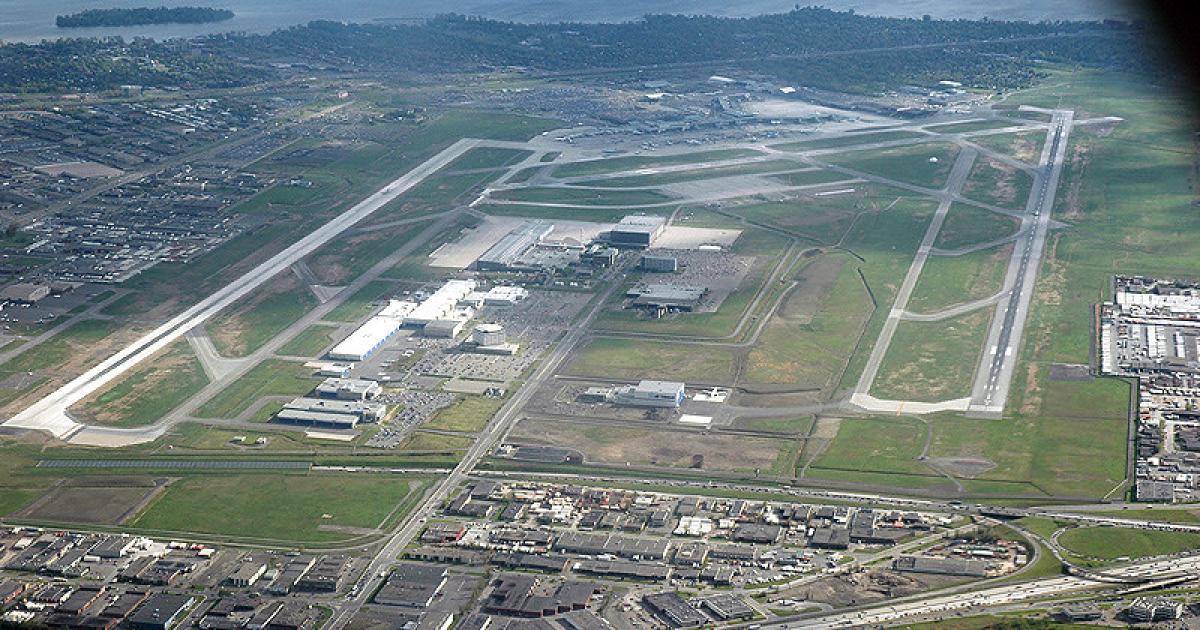
For decades, cross-border air traffic between Canada and the United States functioned as one of the most stable corridors in global aviation. Canadian snowbirds filled winter flights to Florida and Arizona. Families from Ontario and Quebec routinely traveled to Orlando’s theme parks during school holidays. American carriers, in turn, depended on predictable northbound leisure and business travel. The flow was so steady that airports on both sides of the border built infrastructure and staffing models around it.
That assumption of automatic demand is now under strain. Airline executives, who calibrate routes based on load factors and forward bookings rather than diplomatic rhetoric, have begun signaling that the numbers no longer justify previous capacity levels. According to industry analysts, advance bookings from Canada to several U.S. leisure destinations have softened compared with pre-2024 patterns, even as outbound Canadian travel overall remains resilient. Aircraft once scheduled for U.S. routes are being reassigned to transatlantic services, where demand and pricing power appear stronger.
The shift comes amid a broader cooling in Canada–U.S. relations since President Donald Trump began his second term. Trade disputes, tariff threats and pointed political language have introduced a level of volatility that extends beyond formal policy. While no official travel restrictions have been imposed, consumer sentiment surveys conducted by Canadian research firms suggest that a measurable share of travelers now prefer destinations perceived as politically neutral or economically advantageous.
Currency dynamics may also be contributing. A relatively firm U.S. dollar has made American vacations more expensive for Canadian households, particularly in states where lodging and food prices have risen sharply since the pandemic. Travel industry economists note that even modest exchange-rate shifts can influence discretionary decisions, especially for retirees on fixed incomes who traditionally winter in the southern United States.
For American carriers and tourism-dependent regions, the implications are tangible. Florida, which has historically welcomed millions of Canadian visitors annually, stands to lose not only airline revenue but also spending on hotels, restaurants and retail. Tourism boards in Orlando and Fort Lauderdale are closely monitoring booking data for the upcoming winter season. “Airlines are the first indicator,” said one aviation consultant who advises U.S. airport authorities. “They move capacity where they see revenue momentum. If they’re pulling back, it’s because they anticipate weaker demand.”

U.S.-based airlines have so far framed the adjustments as market-driven rather than geopolitical. Representatives for major carriers have emphasized that network planning reflects profitability and aircraft utilization, not diplomatic signaling. Yet privately, some industry executives acknowledge that uncertainty complicates long-term forecasting. When trade rhetoric escalates or political tensions dominate headlines, corporate travel budgets can tighten and leisure travelers may delay bookings.
Canadian officials have not characterized the flight reductions as a policy tool. Transportation authorities in Ottawa maintain that airlines operate independently in response to commercial conditions. Still, the broader economic environment is shaped by national policy choices. Canada’s government has recently encouraged diversification of trade and tourism links beyond the United States, seeking to reduce overreliance on a single partner. Expanded air service to European capitals and Mediterranean destinations aligns with that objective.
The result is a subtle but meaningful recalibration of North American travel patterns. Canadian travelers are not flying less; airports in Toronto, Montreal and Vancouver report strong overall passenger volumes. But the geography of those journeys is shifting. For U.S. carriers that once regarded Canadian routes as dependable feeders, the challenge will be adapting to a market in which loyalty can no longer be assumed.
Whether this represents a temporary correction or a structural realignment remains uncertain. Aviation demand is notoriously cyclical, and cross-border ties run deep. Yet when airlines redesign route maps months in advance, they are making judgments about the durability of trends. If political tensions persist and currency pressures endure, the redirection of Canadian travel could outlast a single season — altering the economic calculus for American tourism hubs and signaling that even the most established air corridors are not immune to shifting currents.