Canada Quietly Cuts the Cord: How a Single Speech Marked a Strategic Break from Dependence
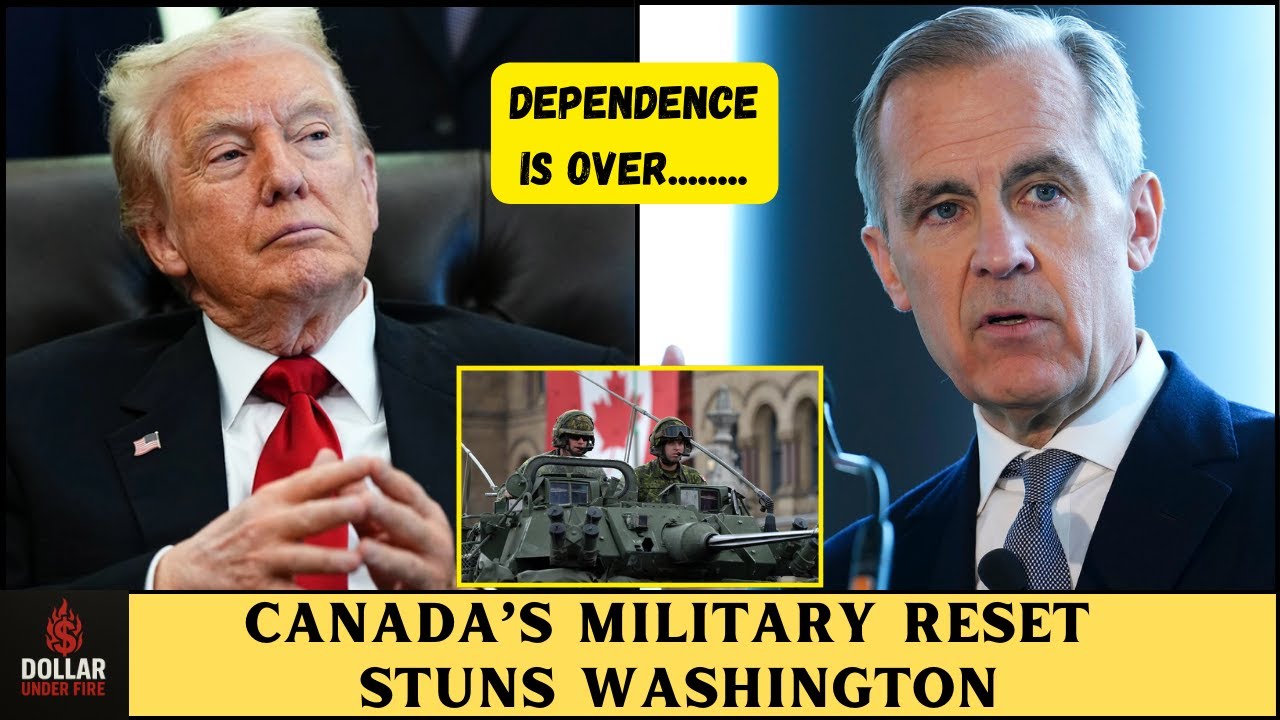
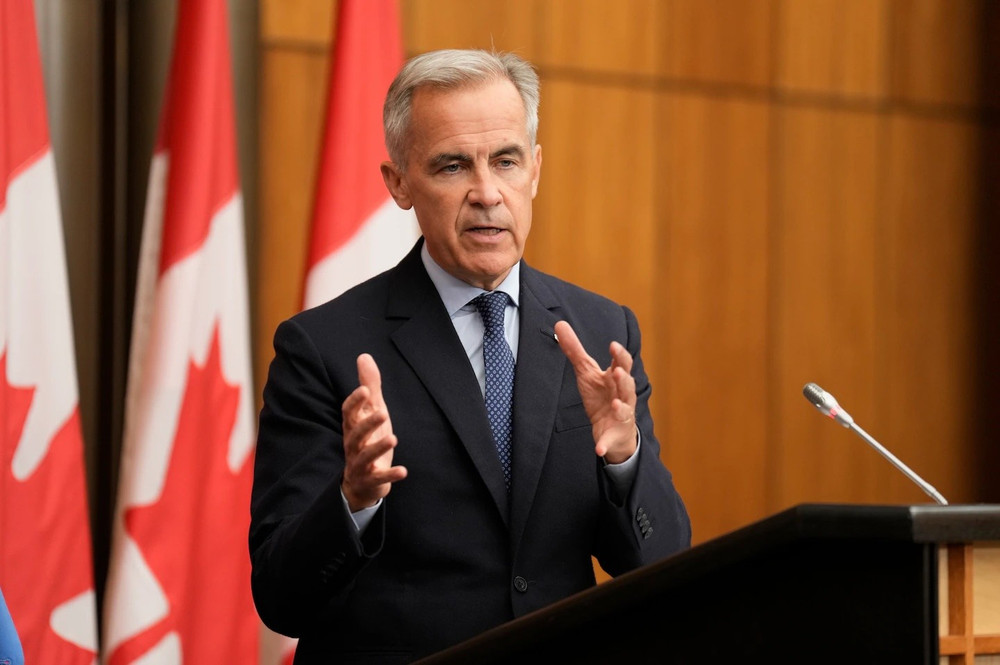
What was expected to be a routine, ceremonial address instead became a defining moment in modern Canadian history. Standing before members of the armed forces, Canada’s leadership delivered a message that signaled a fundamental shift: the era of assuming permanent protection from others is over, and sovereignty can no longer be outsourced.
Without slogans or theatrics, the speech made one point unmistakably clear. Canada will no longer place its survival, economy, or security in another country’s hands. Decades of comfort built on predictable alliances have given way to realism, shaped by years of trade tensions, weaponized tariffs, and language that reframed partnership as possession.
Rather than panic or rush to compromise, Canada responded with quiet precision. The shift began not with rhetoric, but with budgets. Tens of billions were committed to rebuilding military credibility, accelerating recruitment, expanding training, and meeting NATO defense targets years ahead of schedule. This was not symbolic spending, but structural preparation.
Geography forced the issue further. As Arctic ice melts and access expands, Canada’s once-remote north has become strategically central. Increased attention from Russia and China exposed long-standing vulnerabilities that words alone could not fix. Presence, surveillance, and enforceable control replaced assumption as the foundation of sovereignty.
An equally dramatic change unfolded in procurement. For decades, nearly three-quarters of Canadian defense spending flowed south to American companies, quietly limiting Canada’s leverage. That model is now being dismantled. Defense dollars are being redirected toward domestic manufacturing, maintenance, and technology, turning military spending into an engine of economic sovereignty.
This strategy extends beneath the seas and into the skies. A planned fleet of 12 new conventional submarines represents decades of maritime authority and independent control over Canadian waters. At the same time, future fighter jet purchases are no longer automatic, signaling that defense spending itself has become a strategic lever.
The impact is already visible. Allies are recalibrating, rivals are reassessing, and markets are paying attention. By committing to long-term capability rather than short-term reaction, Canada is shifting how it is treated globally—from a quietly dependent partner to a contributor of strength with its own agency.
This moment was never just about a speech or a budget line. It marked the end of a habit that constrained Canada for generations: waiting. Waiting for reassurance, approval, or intervention. Canada is not announcing dominance. It is asserting responsibility—for its territory, its people, and its future—and that quiet decision may shape global perceptions long after the headlines fade.