🚨 Republicans Take a Dark Turn on Stage as Extremism Moves Into the Spotlight
The most alarming shift in American politics today is no longer simple polarization, but the quiet normalization of extremist ideology at the highest levels of leadership. This transformation is becoming unmistakably clear inside the post-Trump Republican Party.
Vice President JD Vance has emerged as both heir to Donald Trump’s political coalition and a conduit between mainstream conservatism and openly radical factions. While presenting himself as pragmatic and inclusive, his rhetoric increasingly lowers the moral guardrails that once separated conservatism from extremism.
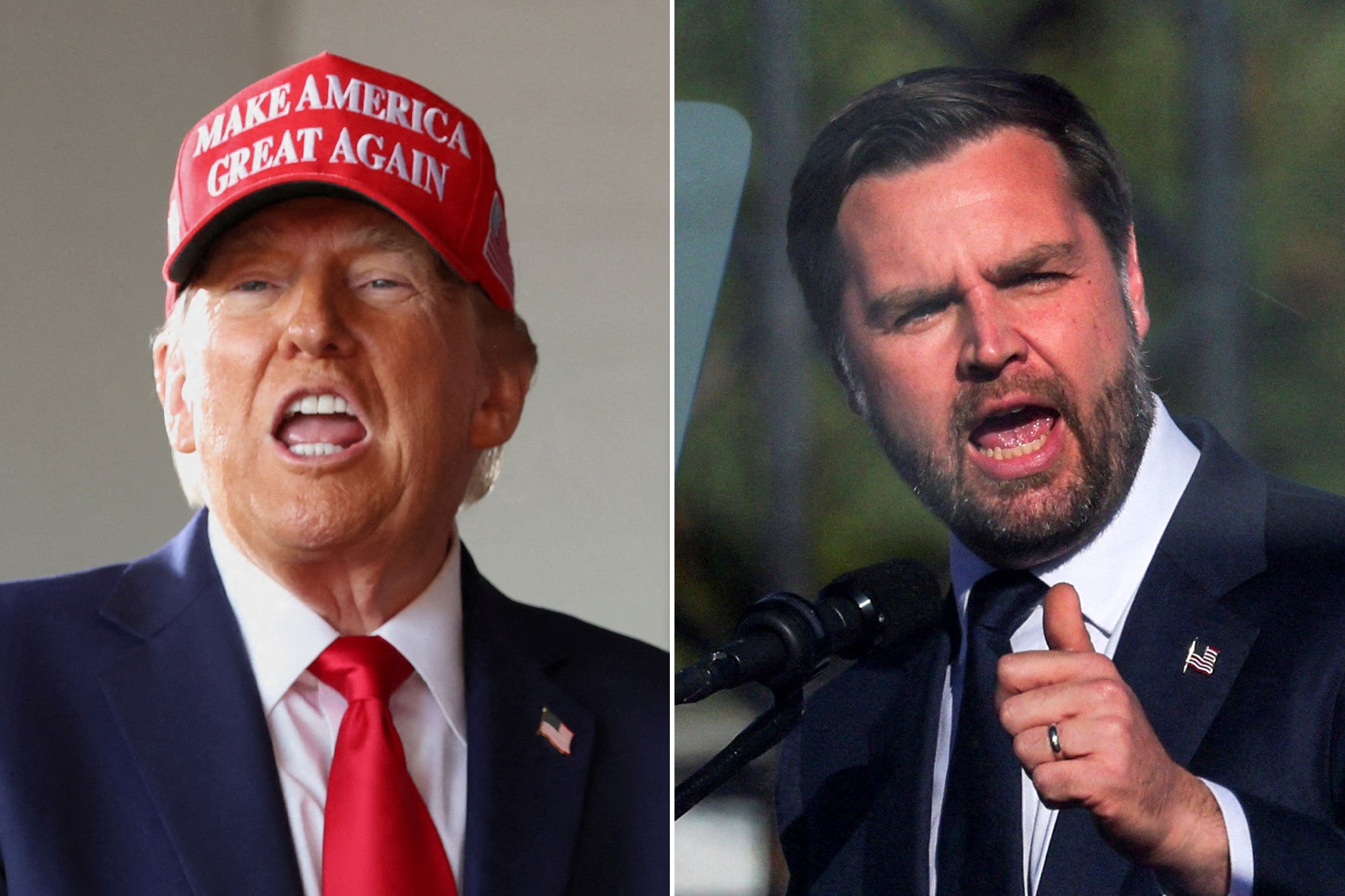
At Turning Point USA’s America Fest, Vance refused to clearly condemn antisemitism or distance the movement from figures tied to white nationalist ideology. Framing accountability as a “purity test,” he portrayed moral boundaries as divisive rather than necessary, effectively redefining silence as acceptance.
History offers a clear warning: extremism cannot be accommodated without consequences. When movements invite ideologies rooted in exclusion, those targeted by them inevitably pay the price. Neutrality in the face of racism is not neutrality at all—it is permission.
Unlike Trump’s frequent reliance on ambiguity, Vance’s worldview appears increasingly deliberate. His praise for restrictive immigration laws from the 1920s, emphasis on “heritage Americans,” and arguments about ancestral entitlement echo long-standing white nationalist talking points, repackaged in polished language.
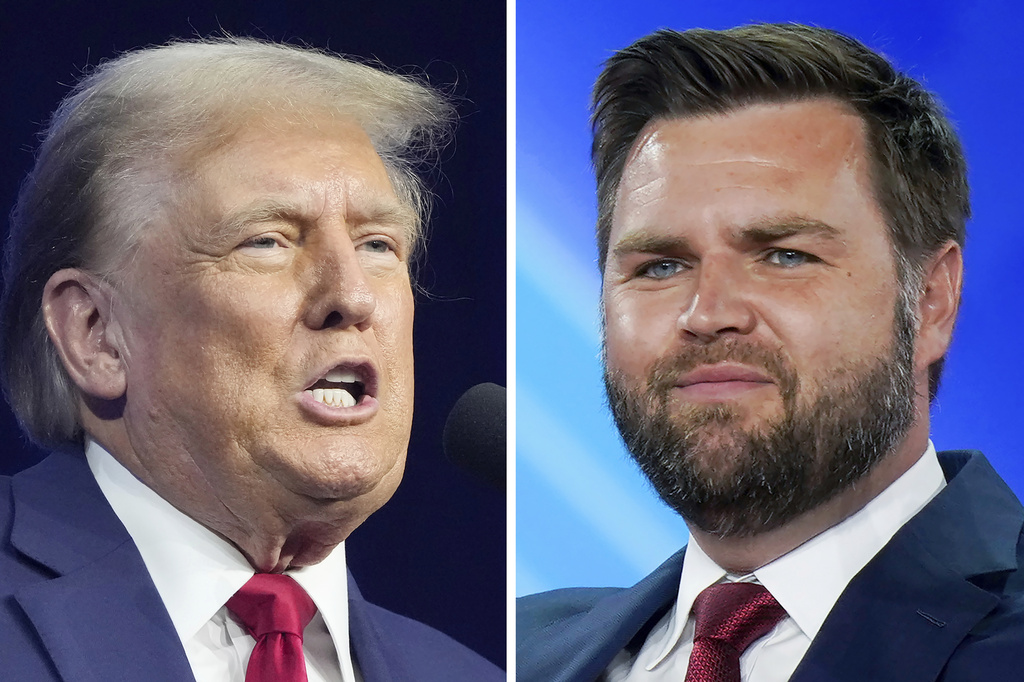
These themes align with a broader effort on the right to undermine multiracial democracy itself. Questioning birthright citizenship and elevating cultural dominance over constitutional equality signals a shift away from America’s pluralistic foundation toward a politics of hierarchy.
Organizations like Turning Point USA have embraced Vance as the future of the movement, mobilizing a young, highly energized base. But political intensity does not equal electoral strength. White nationalism narrows coalitions, alienates moderates, and accelerates internal fractures rather than building lasting majorities.
The real danger is no longer hypothetical. Extremist ideas are already stepping onto the national stage, wrapped in patriotic language and institutional support. The question now is not whether this shift will define American politics, but how much damage it will inflict before it is confronted directly.