💥 $2.3 Billion Dream on the Brink: Inside the Financial Crisis Threatening Las Vegas’ Iconic Sphere
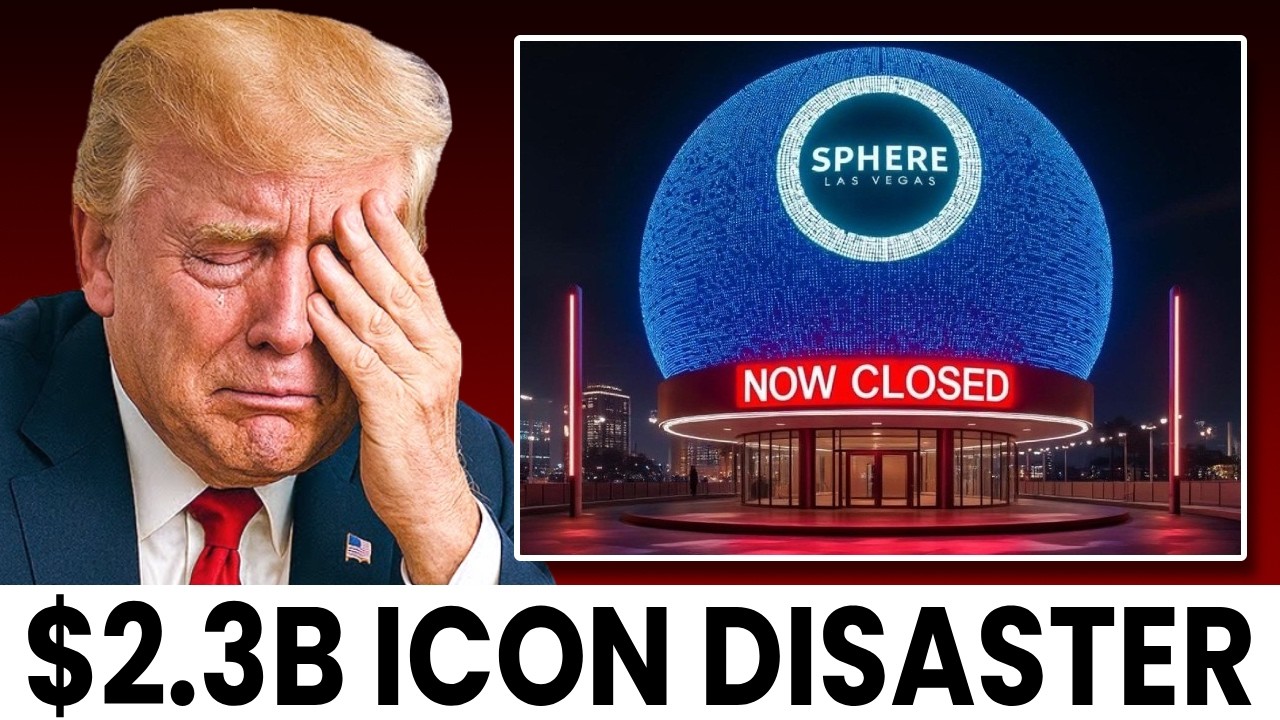
The Las Vegas Sphere was meant to redefine entertainment. Rising over the Strip at a staggering cost of $2.3 billion, the glowing orb promised a future where concerts, films, and digital spectacle merged into one unforgettable experience. For a brief moment, it worked—then reality hit hard.
When the Sphere debuted, it dominated global attention. Its exterior, powered by more than 50 million LED lights, turned the Vegas skyline into a living screen. Inside, a wraparound dome, precision audio system, and immersive seating stunned audiences and critics alike, positioning the venue as a technological marvel unlike anything before it.

Early momentum was undeniable. U2’s high-profile residency packed the house, and Darren Aronofsky’s Postcard from Earth showcased the Sphere’s jaw-dropping capabilities. Investors and executives spoke confidently about revolutionizing live entertainment, fueled by ticket sales, immersive films, and massive advertising potential.
But behind the spectacle, the finances were unraveling. Sphere Entertainment reported operating losses nearing $100 million in a single quarter. Within a year, losses surpassed $500 million—raising alarm bells across Wall Street and prompting analysts to question whether the business model could ever reach profitability.
The problem is scale. The Sphere operates less like a venue and more like a massive machine. Thousands of LED panels require constant maintenance, the climate control system runs nonstop in desert heat, and staffing, security, insurance, and energy costs pile up daily. Even sold-out shows struggle to cover the overhead.
Worse, demand proved fragile. After the initial wave of curiosity faded, repeat attendance slowed. Ticket prices were cut, empty sections appeared, and content failed to evolve fast enough to keep audiences coming back. The sudden resignation of the company’s chief financial officer only deepened concerns about internal confidence.
Much of the risk traces back to ambition. Driven by James Dolan, the Sphere was conceived as a legacy-defining project, pushing technology beyond tested limits. Custom-built systems, bespoke screens, and experimental audio created an awe-inspiring result—but at costs that now weigh heavily on the company’s future.
Today, the Sphere stands as both a triumph of engineering and a warning about sustainability. Plans to license the concept globally, including a potential expansion to Abu Dhabi, may offer a lifeline. Until then, the glowing dome remains a symbol of Vegas excess—proof that even the most dazzling vision can falter when spectacle outpaces economics.