🔥 Late-Night Meltdown: Trump Rages as Kimmel and Fallon Torch Him Live on TV

Donald Trump is once again at the center of a media firestorm—this time sparked not by politicians or prosecutors, but by late-night comedy. After Jimmy Kimmel and Jimmy Fallon delivered blistering monologues dissecting Trump’s handling of the Epstein files, the former president lashed out online, openly questioning why networks keep the comedians on air.
The backlash began after Congress voted overwhelmingly to release the long-withheld Epstein files, a move Trump publicly endorsed while critics accused him of trying to control the narrative too late. Kimmel wasted no time highlighting the contradiction, framing Trump’s sudden transparency as a reversal that came only after months of stonewalling and denial.
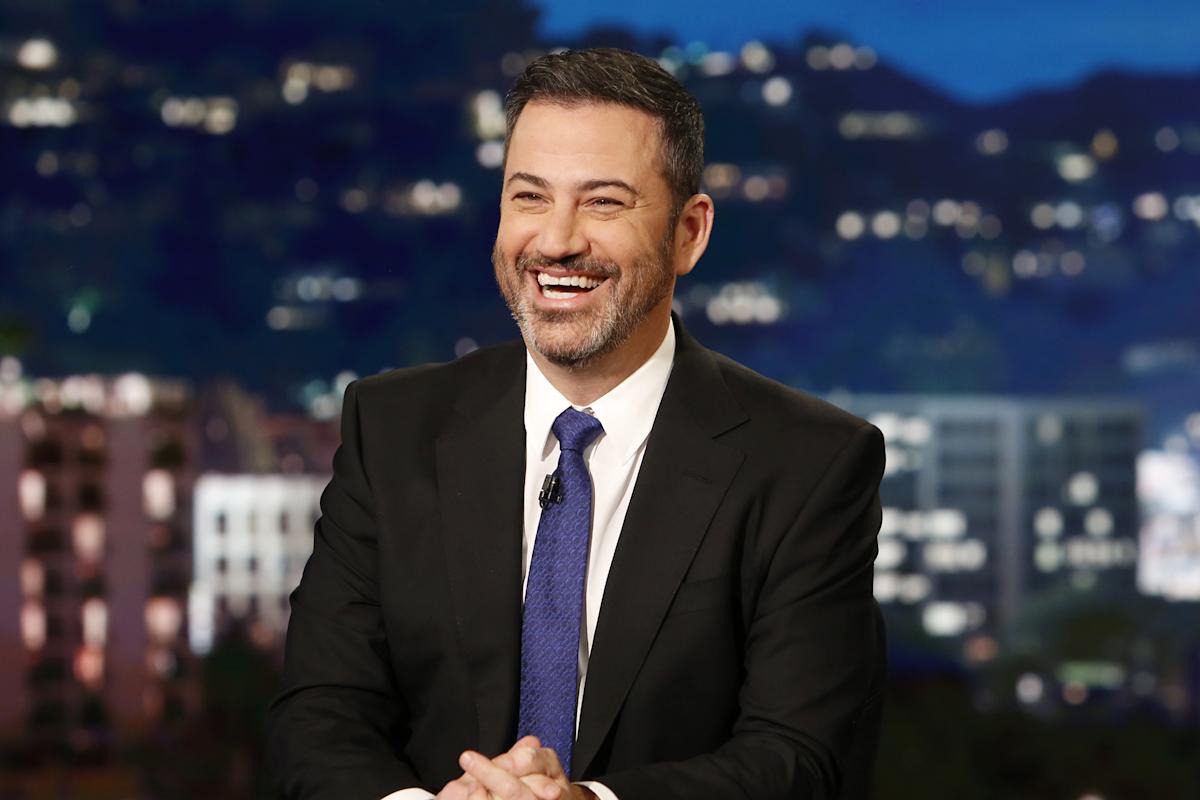
On Jimmy Kimmel Live!, Kimmel leaned into sharp sarcasm, mocking Trump’s online attacks and tying them directly to the Epstein controversy. Newly surfaced footage showing Jeffrey Epstein attending Trump’s 1993 wedding became instant comedic ammunition, with Kimmel skewering the optics and the unanswered questions surrounding Trump’s past relationship with the disgraced financier.
Jimmy Fallon took a different but equally devastating approach on The Tonight Show. Rather than overt attacks, Fallon relied on awkward pauses, raised eyebrows, and understated punchlines that let the absurdity speak for itself. His subtle style turned Trump’s own words and actions into quiet but relentless indictments.
Together, the two hosts created a rare one-two punch that dominated social media and political commentary. Clips from both shows went viral, amplifying jokes about Epstein, falling approval ratings, and Trump’s habit of blaming everyone but himself. What began as comedy quickly turned into cultural commentary.
Trump’s response only added fuel to the fire. In a late-night post, he called Kimmel untalented and demanded he be taken off the air, a move critics say revealed deep irritation rather than confidence. The irony was not lost on viewers: a president who thrived on media attention now appeared desperate to silence it.
Polls cited during the monologues showed Trump’s approval on handling the Epstein files sinking to just 17 percent, even among Republicans. Both Kimmel and Fallon seized on the number, using humor to underscore a broader theme—public trust eroding as questions remain unanswered.

In the end, this wasn’t just another late-night roast. It was a moment where comedy pierced the political armor, exposing contradictions, discomfort, and vulnerability in real time. As Kimmel and Fallon proved, satire doesn’t need censorship to be powerful—sometimes, all it takes is timing, wit, and a spotlight Trump can’t control.