🚨 Trump Accused of Silencing 60 Minutes as CBS Pulls Explosive Deportation Report
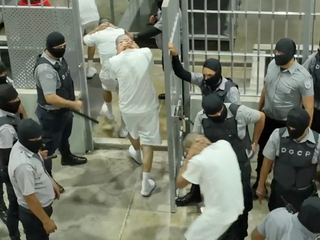
A new media scandal is erupting after CBS abruptly pulled a fully produced 60 Minutes investigation that was set to expose alleged human rights abuses tied to Trump-era deportations, raising urgent questions about press freedom and political pressure in the United States.
Just hours before airtime, CBS deleted promotional material and announced that the episode titled “Inside CECOT” would not air as scheduled. The report focused on a notorious mega-prison in El Salvador where hundreds of migrants deported by the Trump administration were sent—despite the fact that roughly 75% reportedly had no criminal record.
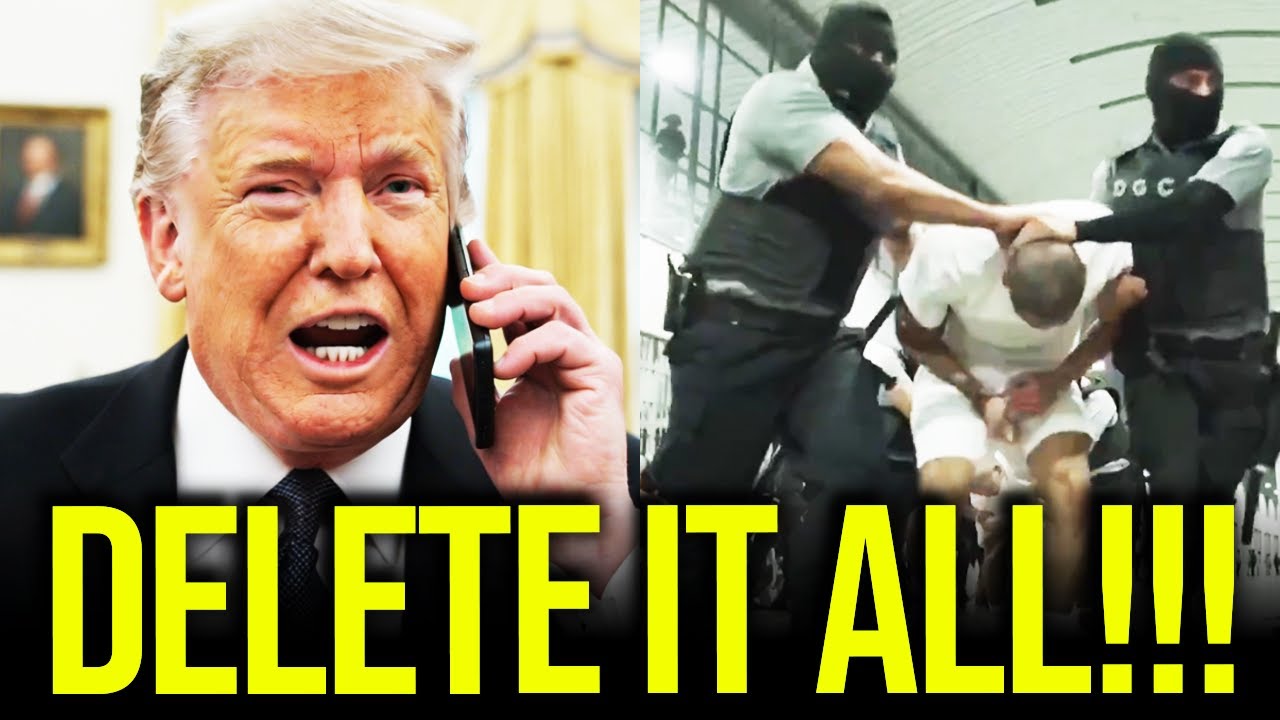
According to the show’s own correspondent, Sharon Alfonsi, the segment had already passed extensive fact-checking, legal review, and internal standards approvals. In a message to colleagues, she stated bluntly that the decision to pull the episode was “not editorial, but political.”
The investigation detailed how migrants believed they were being deported to Venezuela, only to be shackled, publicly displayed, and delivered to a prison known for torture, abuse, and indefinite detention. Survivors described months of what they called “hell,” with some believing they would never leave alive.
The controversy is further fueled by Trump’s past legal actions against CBS and 60 Minutes, including a lawsuit over a prior interview that resulted in a reported $16 million settlement. Media critics argue that this created a chilling effect, signaling that critical coverage could carry heavy financial consequences.
Journalists and free-speech advocates warn that allowing the government’s refusal to comment to justify killing a story effectively hands officials a “kill switch” over investigative reporting. If upheld as precedent, critics say it would transform watchdog journalism into state-approved messaging.
The pulled episode has already drawn massive public attention online, with millions viewing CBS’s announcement and questioning why a story exposing alleged abuses was suddenly delayed. For many, the silence itself has become part of the story.
As scrutiny intensifies, the incident is being described as a defining test for American journalism. At stake is not just one broadcast, but whether investigative media can operate without fear when its reporting challenges power at the highest level.