Canada Defied Trump’s Tariff War—and Emerged Stronger Than Anyone Expected
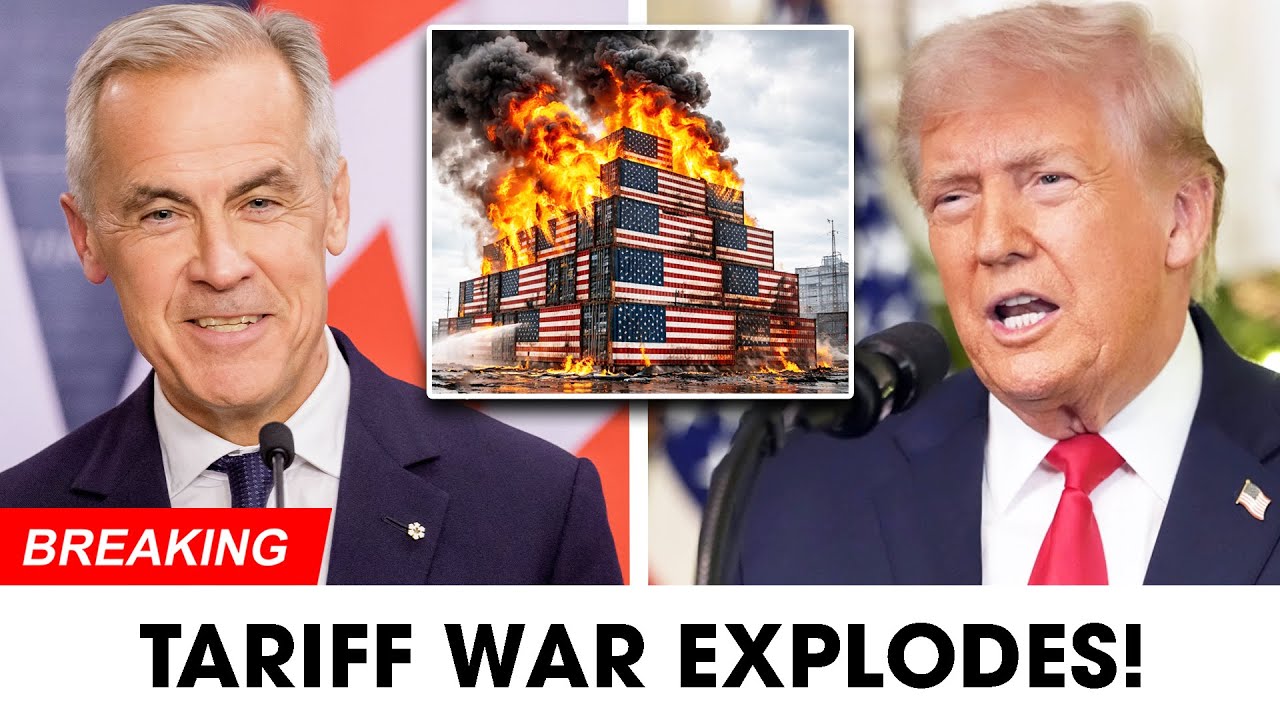
Canada entered 2025 under the shadow of one of the most aggressive trade offensives in modern history. President Donald Trump’s administration imposed sweeping 25% tariffs on Canadian steel, aluminum, autos, and energy, framing the move as part of a broader effort to “reshore” American manufacturing. Canadian leaders warned the policy would hurt both economies, even pushing the United States toward recession. Few, however, expected Canada to withstand the shock—let alone turn it into a strategic advantage.
Early forecasts were grim. Economists predicted Canada’s GDP could contract by up to 6%, with deficits ballooning toward 78 billion Canadian dollars. Headlines openly discussed recession as an inevitability. Trump’s message was blunt: submit or suffer. Yet rather than panic, Ottawa prepared. Prime Minister Mark Carney signaled calm resolve, arguing that Canada had anticipated this moment and was ready to act decisively if pushed.
The first response was swift and unmistakable. Within days, Canada announced a retaliatory tariff package worth up to 155 billion Canadian dollars, immediately targeting 30 billion in U.S. goods and placing another 125 billion on standby. American whiskey prices surged, household goods became costlier, and U.S. farmers and manufacturers felt the backlash. The image of Canada as a perpetually accommodating neighbor faded almost overnight.

As tariffs escalated through February and March, entire sectors in Ontario and Atlantic Canada were shaken. Wage freezes, delayed hiring, and short-term disruptions rippled across steel, auto, and energy industries. Yet the feared collapse never came. Factories adapted, pipelines kept flowing, and workers kept showing up. Quietly, Canada absorbed the blows while Washington’s strategy grew increasingly erratic.
At the same time, something powerful was happening at ground level. Consumers organized boycotts of U.S. products. Bars removed American whiskey. Farmers prioritized Canadian-made equipment. Retailers reported surging demand for domestic brands. What began as economic pressure evolved into a nationwide show of unity, transforming frustration into collective resolve and reinforcing Canada’s internal resilience.
By midyear, the political balance shifted. Trump arrived at high-level meetings expecting a weakened Canada ready to concede. Instead, he faced a government unwilling to yield without concrete changes. Ottawa made clear it would negotiate—but only on its own terms. Behind closed doors, U.S. officials were stunned by the firmness of Canada’s stance, which overturned long-held assumptions about leverage and compliance.

As 2025 progressed, the data told a story few had predicted. Canada avoided recession, posting roughly 1% economic growth by year’s end. The projected deficit spike never materialized. Unemployment rose to 7.1%, the highest since the pandemic, but the economy remained stable. International institutions acknowledged the strain while noting Canada’s remarkable endurance under sustained pressure.
In the end, Trump’s tariff war backfired. Measures intended to weaken Canada instead strengthened its unity, sharpened its strategy, and elevated its standing globally. Canada did not merely survive—it adapted, resisted, and recalibrated its role in the world. What was meant as punishment became a catalyst. And the lesson resonated far beyond North America: even under the weight of a superpower, a nation that responds with cohesion, discipline, and clarity can emerge stronger than before.