Washington — New signals from Ottawa suggesting a firmer Canadian posture on steel trade have sent tremors through parts of the U.S. manufacturing sector, particularly in and around Detroit, where automakers and suppliers remain deeply dependent on cross-border flows of metal.
The developments followed late-night reports that senior Canadian economic figures, including Mark Carney, had endorsed a harder line in ongoing trade discussions, emphasizing domestic resilience and stricter environmental and sourcing standards. While no formal ban or tariff announcement has been issued, the shift in tone alone was enough to unsettle markets and industry planners accustomed to predictable North American integration.
By early morning, executives at several U.S. plants were assessing contingency plans. Industry groups said some shipments appeared delayed as suppliers sought clarification on compliance requirements and future availability. In Detroit, where assembly lines rely on tightly timed deliveries, even brief uncertainty can cascade quickly.
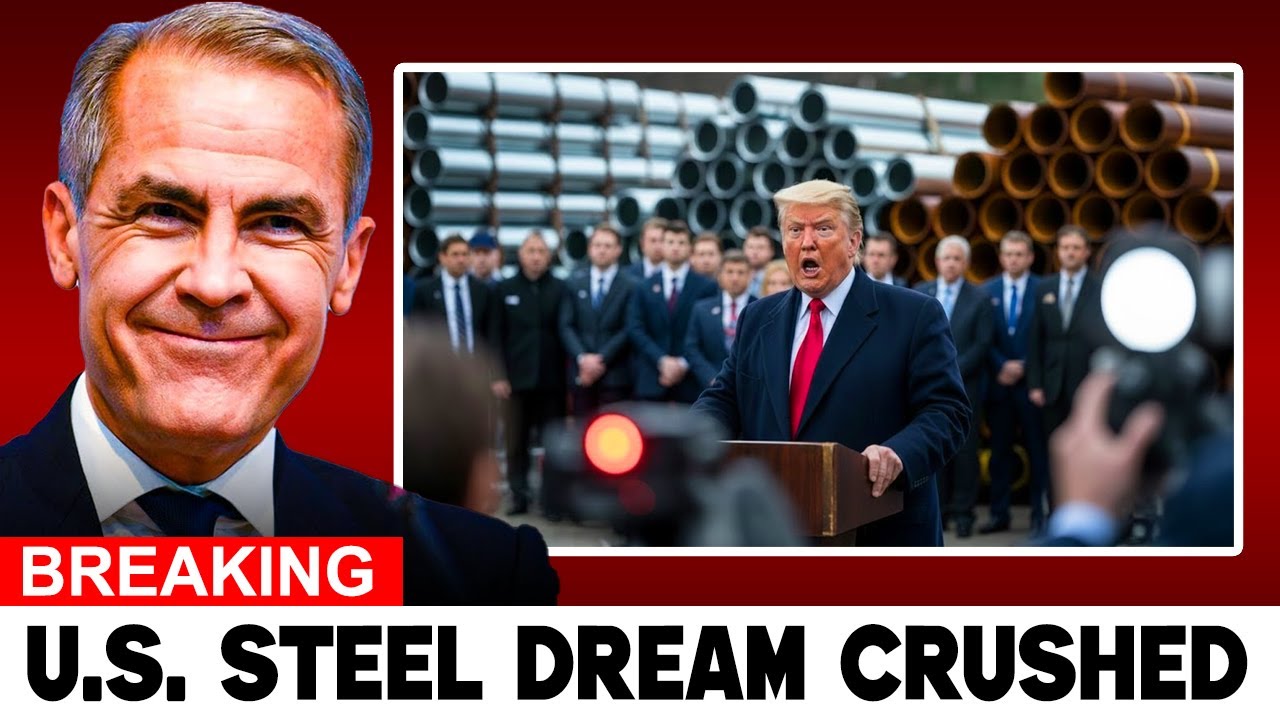
“This system runs on trust and timing,” said a senior executive at a Midwest auto supplier. “When either one wobbles, everything downstream feels it.”
Canada is the largest foreign supplier of steel to the United States, and Michigan is among the biggest beneficiaries of that trade. Canadian steel feeds automotive manufacturing, construction and energy projects, making the relationship both economically significant and politically sensitive.
Canadian officials have framed recent discussions not as punitive but as strategic. In public remarks over recent weeks, policymakers have stressed the need to shield domestic industries from volatility tied to tariffs, climate regulations and geopolitical shifts. That language aligns with a broader global trend toward industrial policy and supply-chain security.
Mr. Carney, who has advised governments on economic resilience and climate-aligned trade, has argued that future competitiveness depends on cleaner production and predictable rules. People familiar with the discussions said the latest signals reflect months of internal planning rather than a sudden escalation.
“There’s a sense in Ottawa that the old assumptions no longer hold,” said a former Canadian trade official. “Interdependence is still there, but it’s being recalibrated.”

In Washington, the reaction was cautious but concerned. U.S. officials emphasized that no formal action had been taken by Canada and urged calm while seeking clarification through diplomatic channels. Privately, some advisers said the episode highlighted lingering vulnerabilities in U.S. manufacturing supply chains.
“The shock isn’t that Canada is thinking this way,” said a U.S. trade analyst. “It’s that we’re still so exposed to incremental changes.”
For labor groups in the United States, the uncertainty raised alarms. Union leaders warned that disruptions, even temporary ones, could lead to production slowdowns and layoffs, particularly as automakers navigate the costly transition to electric vehicles.
Markets responded modestly, with steel prices edging upward amid broader global volatility. Analysts cautioned against overinterpreting early movements, noting that the absence of a formal policy announcement limits immediate impact. Still, the perception of risk has altered planning assumptions.
Canadian officials have not confirmed any midnight decision or sweeping restriction. Instead, they have pointed to ongoing reviews of trade policy, environmental standards and procurement rules. Those reviews, they say, aim to ensure long-term stability rather than provoke confrontation.
“This isn’t a door slamming shut,” said a Canadian government adviser. “It’s a reminder that doors have hinges.”
The episode underscores how quietly policy signals can reshape industrial behavior. In contrast to the tariff battles of recent years, which unfolded with public threats and deadlines, the current moment has been marked by ambiguity and silence — a recalibration rather than a rupture.

“What’s striking is the lack of drama,” said an economist at the Brookings Institution. “No press conference, no ultimatum. Just enough uncertainty to force everyone to rethink.”
For Detroit, the challenge now is adaptation. Automakers and suppliers are exploring alternative sourcing, adjusting inventories and pressing for clarity from both governments. Some executives said the episode would accelerate efforts to diversify supply chains, even if doing so raises costs.
Canada, for its part, remains deeply tied to U.S. markets. More than three-quarters of its exports still go south of the border, and officials have repeatedly emphasized the value of partnership. But partnership, they suggest, does not preclude leverage.
“The lesson from recent years is that dependence cuts both ways,” said a former Canadian diplomat. “Canada is acting on that reality.”
Whether the current tension evolves into a sustained shift will depend on what follows. If talks yield clarity and reassurance, the episode may fade as a brief shock. If not, it could mark another step in a gradual rebalancing of North American industrial relations.
For now, the facts remain limited: no formal shutdown, no declared ban, but a palpable sense of change. In an industry built on predictability, that alone is enough to jolt planning and provoke debate.
As one Detroit plant manager put it, “You don’t need a hammer to stop a line. Sometimes all it takes is doubt.”
The coming weeks will reveal whether the uncertainty hardens into policy or dissolves into negotiation. Either way, the moment has reminded both countries that their industrial bond, long taken for granted, now demands renewed attention — and careful management.