Chicago — What unfolded outside a lecture hall at DePaul University this week was not a protest, nor a security emergency. There were no chants, no confrontations, no visible threats. Yet campus police and administrators informed the conservative commentator Ben Shapiro that if he took several steps forward and entered the building to attend a scheduled event, he would be arrested.
The encounter, captured on video and widely circulated online, has reignited a familiar but unresolved debate in American higher education: where, exactly, does free expression end when institutions invoke procedure, safety, and administrative control?
Mr. Shapiro had arrived calmly and without disruption for an event associated with a student group. According to the exchange, campus officials told him that proper registration procedures had not been followed. They emphasized that the issue was not content, nor security concerns, but protocol. When Mr. Shapiro pressed them to clarify the consequences of simply entering the hall to listen, officers stated plainly that refusal to comply would result in arrest.
The clarity of that admission — that the enforcement action was tied solely to entry and speech, rather than disorder — became the defining moment. “So if I attempt to enter that hall and sit down to listen,” Mr. Shapiro asked, “you will have me arrested?” The response was unambiguous: yes.
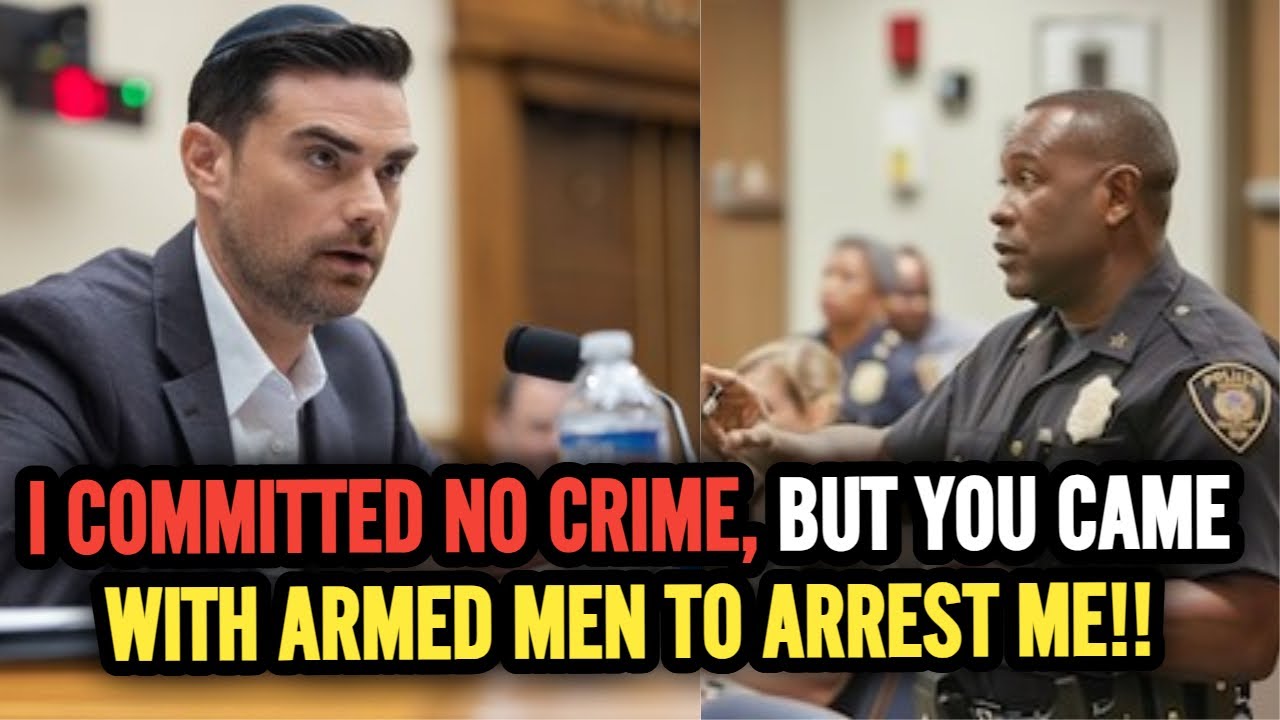
To critics of the university’s handling of the situation, the scene illustrated a stark inversion of priorities. Chicago, a city grappling with persistent violent crime, deployed dozens of officers to prevent a nonviolent speaker from crossing a threshold. Mr. Shapiro pointedly noted the contrast, suggesting that the institution viewed ideas as more dangerous than physical threats.
University officials have not characterized the incident as censorship. Instead, they maintain that their actions were neutral, procedural, and rooted in policy compliance. But to supporters of Mr. Shapiro — and to free speech advocates more broadly — the neutrality claim rings hollow. The enforcement was not applied broadly, they argue, but selectively, aimed at a specific individual whose views have long been controversial within academic spaces.
Rather than escalating the confrontation, Mr. Shapiro made a tactical decision that shifted the dynamics entirely. He addressed the gathered audience and proposed relocating the event off campus. Hundreds followed him several blocks to a nearby venue, the Green Room Theater, where the discussion proceeded without incident. In doing so, DePaul lost control of the narrative it appeared intent on managing.
What might have remained an internal administrative dispute instead became a national talking point. The university had blocked access to a building; Mr. Shapiro moved the conversation itself.
Later during the event, a student challenged Mr. Shapiro on the concept of intergenerational trauma, invoking the Holocaust to argue that historical suffering continues to shape present outcomes and opportunities. Mr. Shapiro’s response, delivered without raised voice or spectacle, went to the core of his broader critique of what he calls “wokeism.”
He acknowledged that history matters and that trauma can be passed down. But he rejected the idea that past injustice permanently determines present behavior or absolves individuals of responsibility. If historical trauma alone dictated success or failure, he argued, groups that endured genocide and mass persecution would not have rebuilt or thrived. The path forward, he said, lies not in permanent victimhood but in individual agency and decision-making.
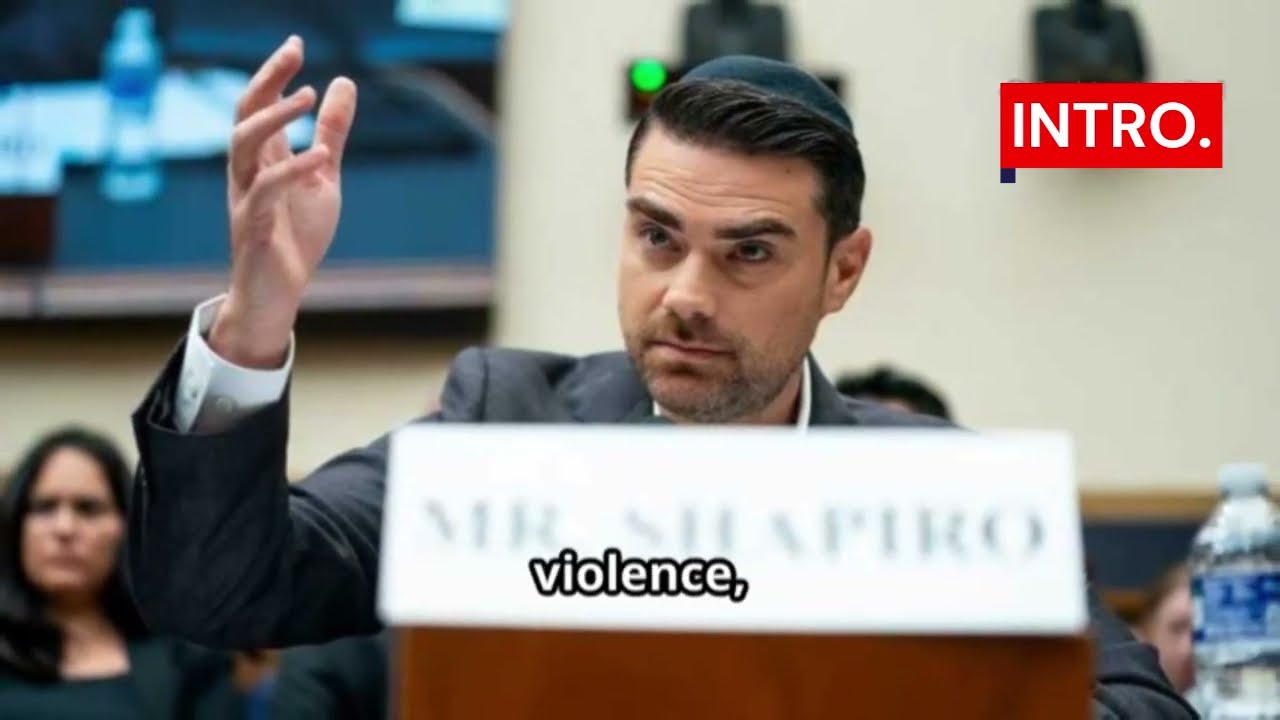
That exchange, like the standoff earlier in the evening, underscored why Mr. Shapiro remains such a polarizing figure on college campuses. His approach is not confrontational in style, but it is disruptive in substance. He challenges prevailing frameworks without theatrics, often forcing institutions to respond not to behavior, but to argument.
For universities, this presents a difficult tension. Many institutions are committed, at least in principle, to open inquiry. Yet they also operate under intense pressure from students, faculty, and external stakeholders who view certain ideas as harmful by their very expression. In that environment, procedural enforcement can become a proxy for ideological control, even when administrators insist otherwise.
DePaul’s decision to bar Mr. Shapiro did not silence him. If anything, it amplified his message. The video of the confrontation circulated widely, reframed not as a debate about registration forms, but as evidence of institutional fear. In attempting to enforce order, the university appeared to validate the critique that modern campuses are increasingly hostile to dissenting viewpoints, particularly conservative ones.
The broader implications extend beyond Mr. Shapiro himself. Across the country, universities continue to struggle with the balance between maintaining campus order and honoring the principles of free expression. When rules are applied unevenly, or when speech is curtailed preemptively rather than in response to disruption, trust erodes.
What happened at DePaul was not a breakdown of security. It was a breakdown of confidence — confidence that ideas can be contested openly without institutional intervention. By threatening arrest for peaceful entry, the university signaled that compliance mattered more than discourse.
In the end, doors can be blocked, schedules altered, and procedures enforced. But conversations, once sparked, are harder to contain. DePaul University may have controlled a building that evening. It did not control the debate that followed.