Renewed Push to Reform Senate Filibuster Gains Traction Amid Trump’s Agenda
WASHINGTON — President Donald J. Trump’s persistent advocacy for eliminating the Senate filibuster has gained new momentum following the recent shift in position by Senator **Markwayne Mullin**, Republican of Oklahoma, who announced on December 15, 2025, that he now supports “nuking” the rule. Mullin’s reversal, stated publicly on social media as “My position on the filibuster has changed. Let’s go all in,” aligns him directly with Trump’s long-held warnings that the 60-vote threshold is a major obstacle to enacting Republican priorities, including tax reforms, election security measures, and defense spending.
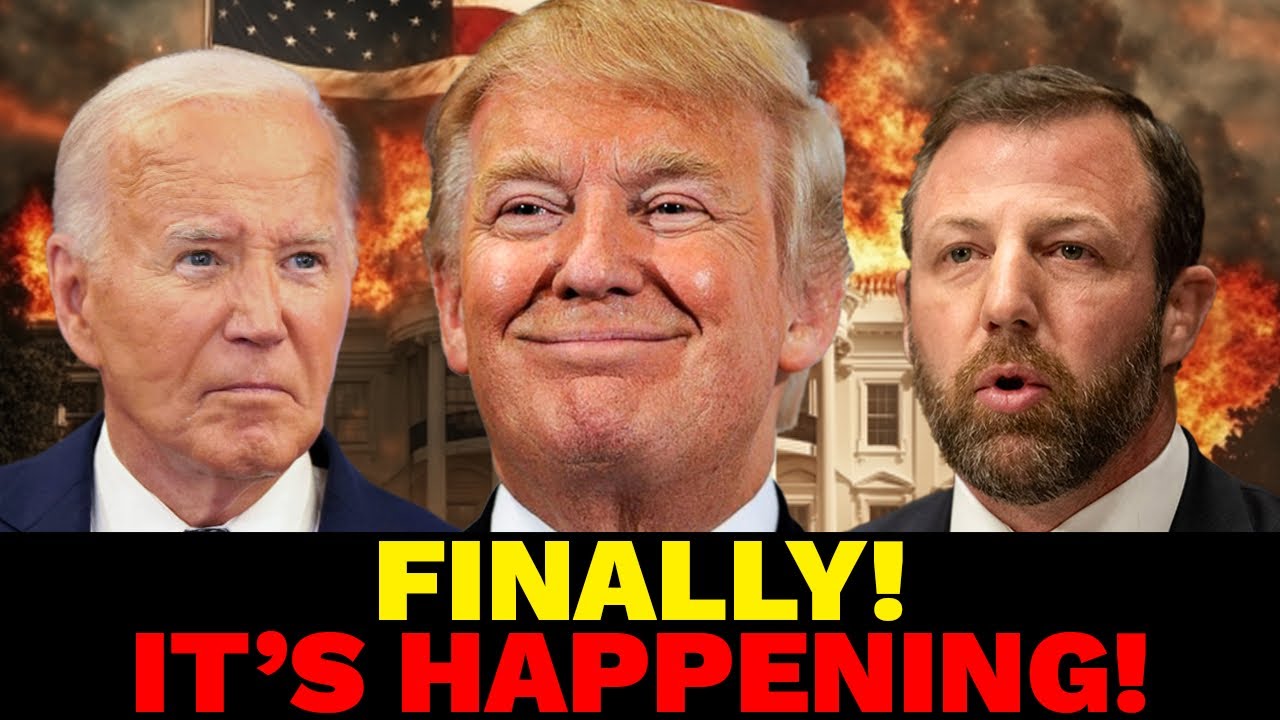
The development comes at a tense moment on Capitol Hill, where Republicans hold a narrow Senate majority and face looming deadlines for government funding and debt ceiling negotiations. Trump has repeatedly argued that the filibuster empowers Democrats to block legislation, a view he reiterated in recent Truth Social posts during debates over appropriations bills. Sources familiar with Republican leadership discussions, speaking on condition of anonymity, described internal meetings as increasingly intense, with Mullin pressing colleagues to consider the “nuclear option”—a simple-majority rules change—to bypass the supermajority requirement. While Senate Majority Leader **John Thune** has maintained that support for full elimination remains limited, with fewer than a quarter of GOP senators openly favoring it as of late 2025, Mullin’s flip has energized hard-liners.
The debate has highlighted potential risks to national security funding. Delays caused by filibusters on defense appropriations have raised concerns about operational disruptions at the Pentagon, including procurement slowdowns and readiness gaps amid global tensions. A recent advancement of the National Defense Authorization Act, which cleared a procedural hurdle with bipartisan support, underscored how reconciliation processes can circumvent the rule for certain bills, but broader spending measures remain vulnerable. Defense officials have privately expressed worries about “chaos” if gridlock persists, echoing Trump’s warnings of bureaucratic paralysis.
Democrats have responded with alarm, viewing any move to weaken the filibuster as a threat to institutional norms and minority rights. Party strategists rushed to media appearances, warning of “institutional collapse” and long-term consequences if Republicans act unilaterally. Donor networks activated quickly, with calls flooding leadership offices urging resistance. Former President **Joe Biden**, in a statement from his post-presidency foundation, reiterated his past support for targeted filibuster exceptions—such as for voting rights during his term—but cautioned against wholesale elimination. “The filibuster forces compromise,” Biden said in a recent interview, drawing on his decades in the Senate to argue that scrapping it could lead to unchecked swings in policy when power shifts.
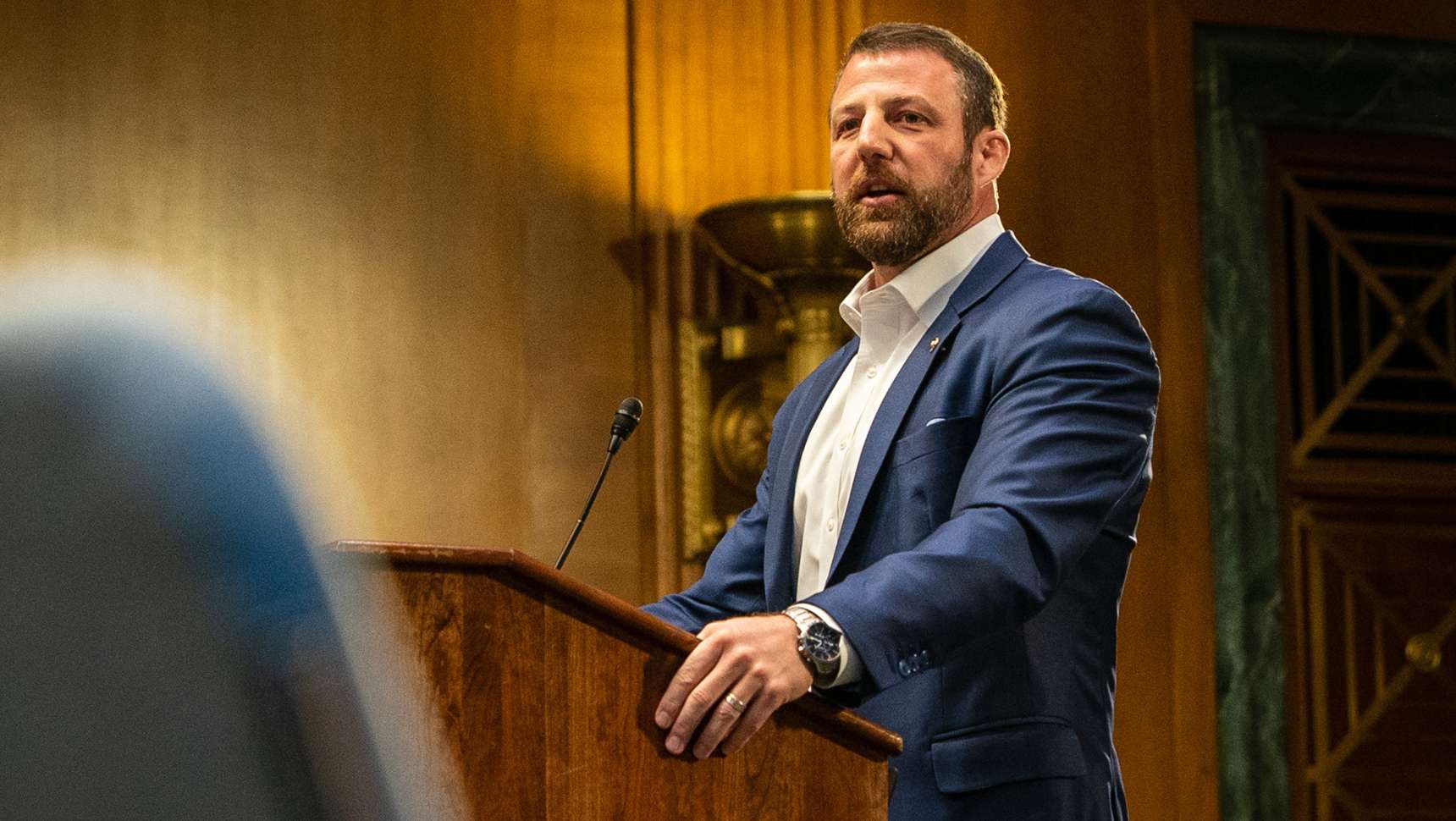
The issue has exploded online, with clips of Mullin’s announcement and Trump’s posts trending across platforms. MAGA supporters celebrated it as validation of the president’s foresight, while critics decried it as a power grab. Analysts note the irony: Both parties have carved exceptions to the filibuster over time—Democrats for nominations under President Barack Obama, Republicans for judicial confirmations in Trump’s first term—yet full abolition remains contentious.
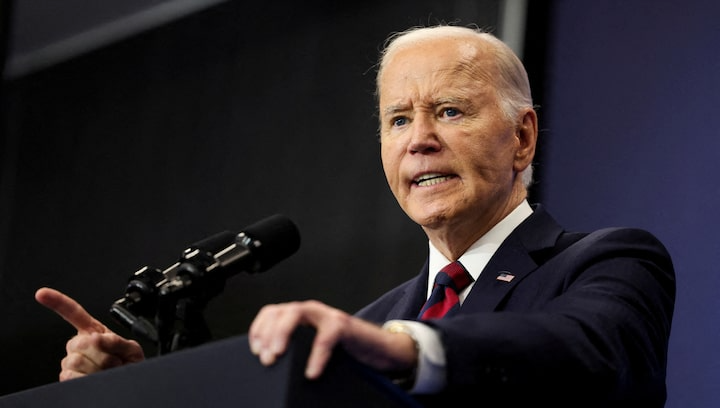
As Washington braces for potential showdowns, the filibuster debate encapsulates broader partisan divides. Trump’s agenda has advanced through reconciliation on major bills like tax cuts, but routine legislation often stalls. With midterm elections approaching, Republicans weigh short-term gains against the risk of handing Democrats a similar tool in future cycles. For now, the rule endures, but Mullin’s defection signals cracks in the GOP’s traditional defense of Senate traditions, setting the stage for what could become an all-out procedural war.