White House Turmoil After Chief of Staff’s Remarks Ignite New Scrutiny of Trump Administration
WASHINGTON — What began as a carefully staged series of interviews intended to project discipline and control inside President Donald Trump’s White House has instead triggered a wave of unease, recrimination and renewed scrutiny of the administration’s most sensitive vulnerabilities.
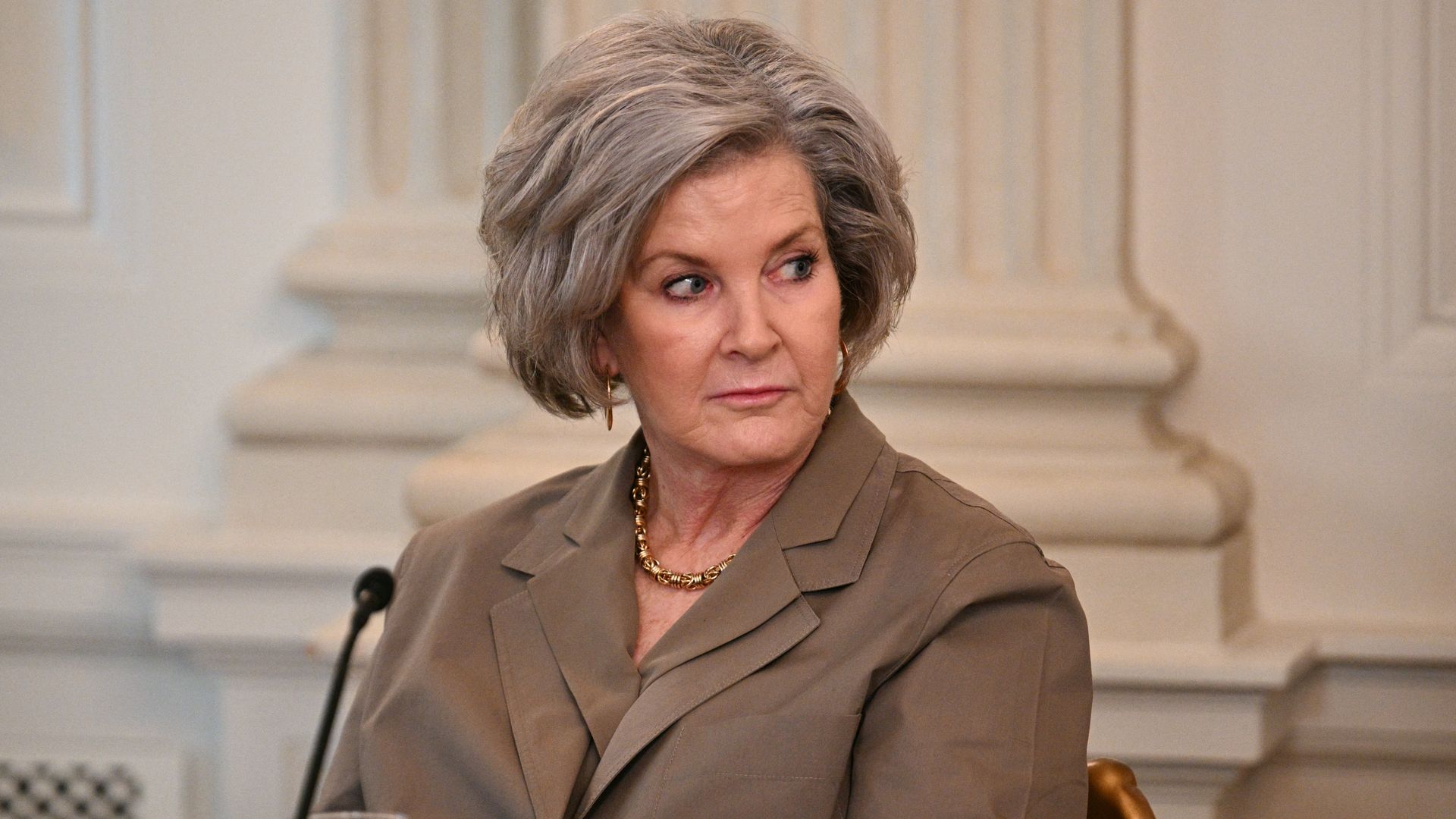
Susie Wiles, Trump’s chief of staff and one of the most discreet operatives in modern Republican politics, has rarely spoken publicly during her tenure. When she does, aides and allies agree, every word is weighed, calibrated and approved at the highest level. That is precisely why her recent comments, published in a lengthy Vanity Fair profile compiled over several months, have landed with such force inside Washington.
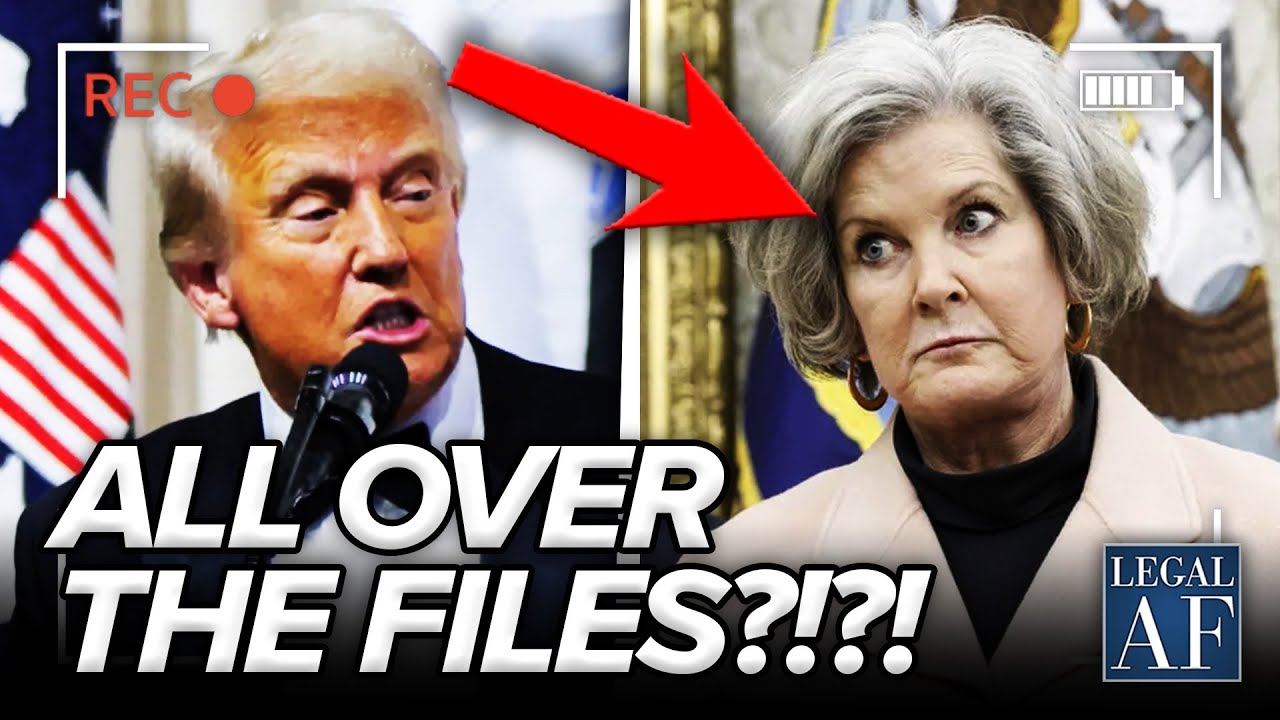
In unusually candid remarks, Ms. Wiles offered assessments of key figures in Trump’s orbit, including Attorney General Pam Bondi, Vice President JD Vance and Russ Vought, the influential architect of Project 2025 who now plays a central role in federal budget decisions. But it was her discussion of two topics — the handling of the Epstein files and the administration’s posture toward political adversaries — that has most unsettled legal experts and political observers.
According to the interviews, Ms. Wiles acknowledged having reviewed materials related to Jeffrey Epstein and confirmed that President Trump’s name appears in those files. While she emphasized that the references were not evidence of criminal wrongdoing, the admission marked the first time a senior administration official publicly confirmed Trump’s presence in the documents. The remarks came as the Justice Department faces mounting pressure from Congress and survivors’ advocates to release more information, following accusations of delay, selective disclosure and lack of transparency.
“She did not have to say that,” said one former Justice Department official, speaking on the condition of anonymity to discuss internal dynamics. “Which raises the question of why she did.”
Ms. Wiles also criticized Attorney General Bondi’s handling of the Epstein materials, calling it a “big swing and a miss” — language that several Trump allies privately interpreted as an effort to distance the White House from decisions that have angered parts of the president’s base. Right-wing activists have already begun calling for Bondi’s removal, arguing that the administration has failed to deliver on promises of full disclosure.
Perhaps more consequential, however, were Ms. Wiles’s comments about what she described as the administration’s pursuit of political “retribution” against figures such as New York Attorney General Letitia James and former F.B.I. Director James Comey. Legal analysts noted that such language, if interpreted literally, could bolster claims of vindictive or selective prosecution — a defense that can undermine cases in court.

“This is the kind of statement defense lawyers dream about,” said a former federal prosecutor. “Intent matters, and here you have a senior official seemingly acknowledging it.”
Inside the White House, officials have sought to minimize the fallout, insisting that Ms. Wiles’s comments were taken out of context and reflected personal views rather than formal policy. But people familiar with the interview process dispute that characterization, noting that Vanity Fair conducted multiple sessions with Ms. Wiles over several months, giving ample opportunity for clarification or retraction.
Ms. Wiles, a veteran of Florida’s bruising political culture and a longtime Trump confidante, is widely regarded as one of the few aides capable of managing the president’s impulses. Her survival in a role that has consumed multiple predecessors has been attributed to her discipline and her ability to anticipate Trump’s political instincts. That reputation has only deepened the intrigue surrounding her remarks.
Some allies believe the interviews reflect a calculated effort to shape the historical narrative and deflect blame ahead of potentially damaging revelations. Others see a rare moment of candor that slipped past the usual safeguards.

Either way, the episode has intensified scrutiny of an administration already grappling with legal exposure, internal rivalries and growing skepticism from voters weary of perpetual conflict. Congressional Democrats have renewed calls for subpoenas, while several Republican lawmakers have privately expressed concern that the controversy risks overshadowing the White House’s policy agenda.
For now, the White House remains in a familiar posture: defiant in public, anxious in private. As new details emerge and pressure mounts on the Justice Department, the consequences of Ms. Wiles’s words are still unfolding — a reminder that in Washington, even the most controlled voices can sometimes trigger unpredictable reverberations.