A Viral Outrage, a Swift Correction, and a Deeper Republican Rift
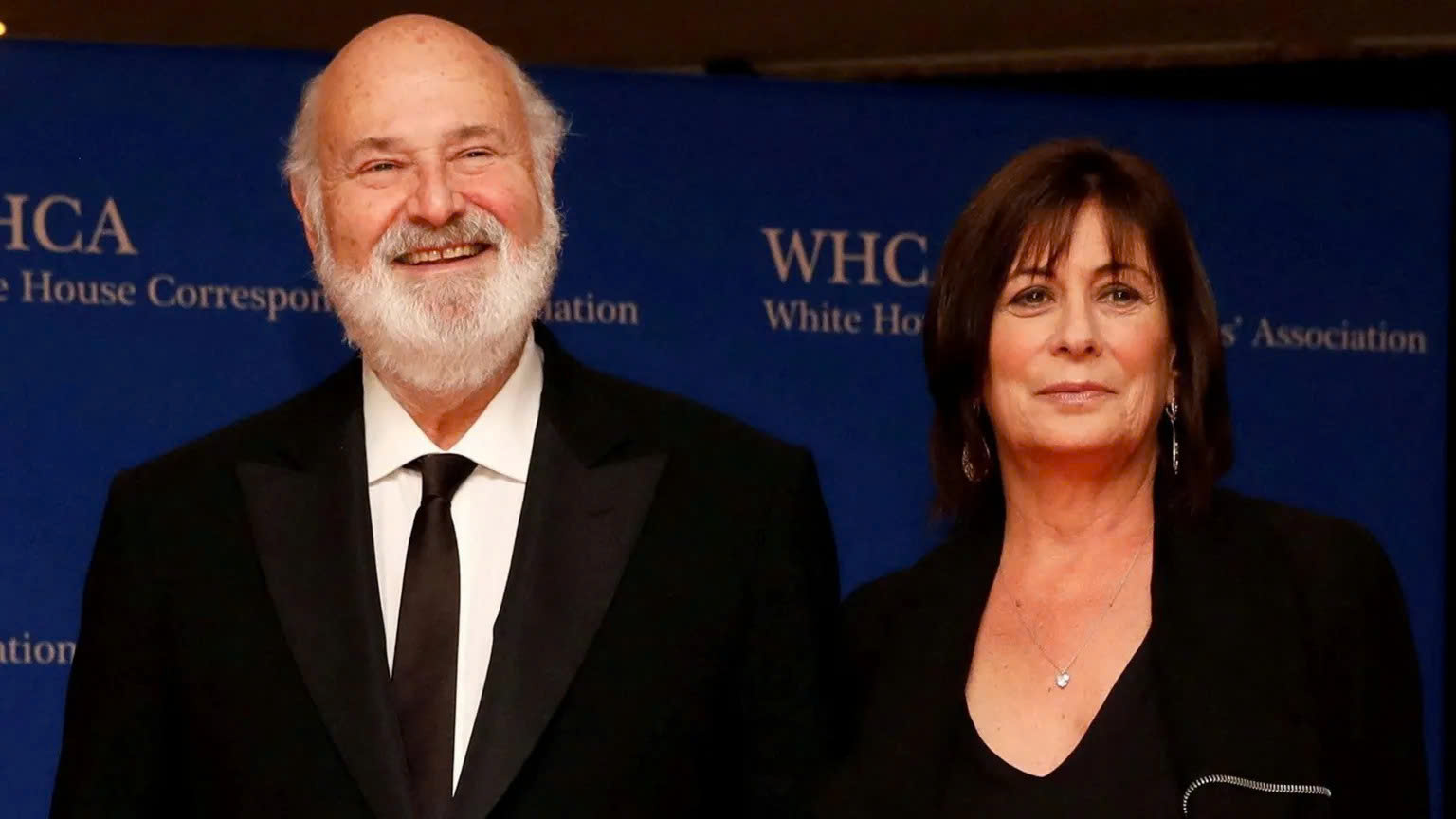
The controversy began the way many modern political firestorms do: with a misleading claim spreading rapidly online, amplified by outrage, reaction videos and partisan commentary before basic facts had time to settle. Reports suggesting that the filmmaker and political activist Rob Reiner and his wife had been killed circulated briefly on social media this week, prompting a wave of alarm. Those reports were false. Mr. Reiner is alive, and no such crime occurred.
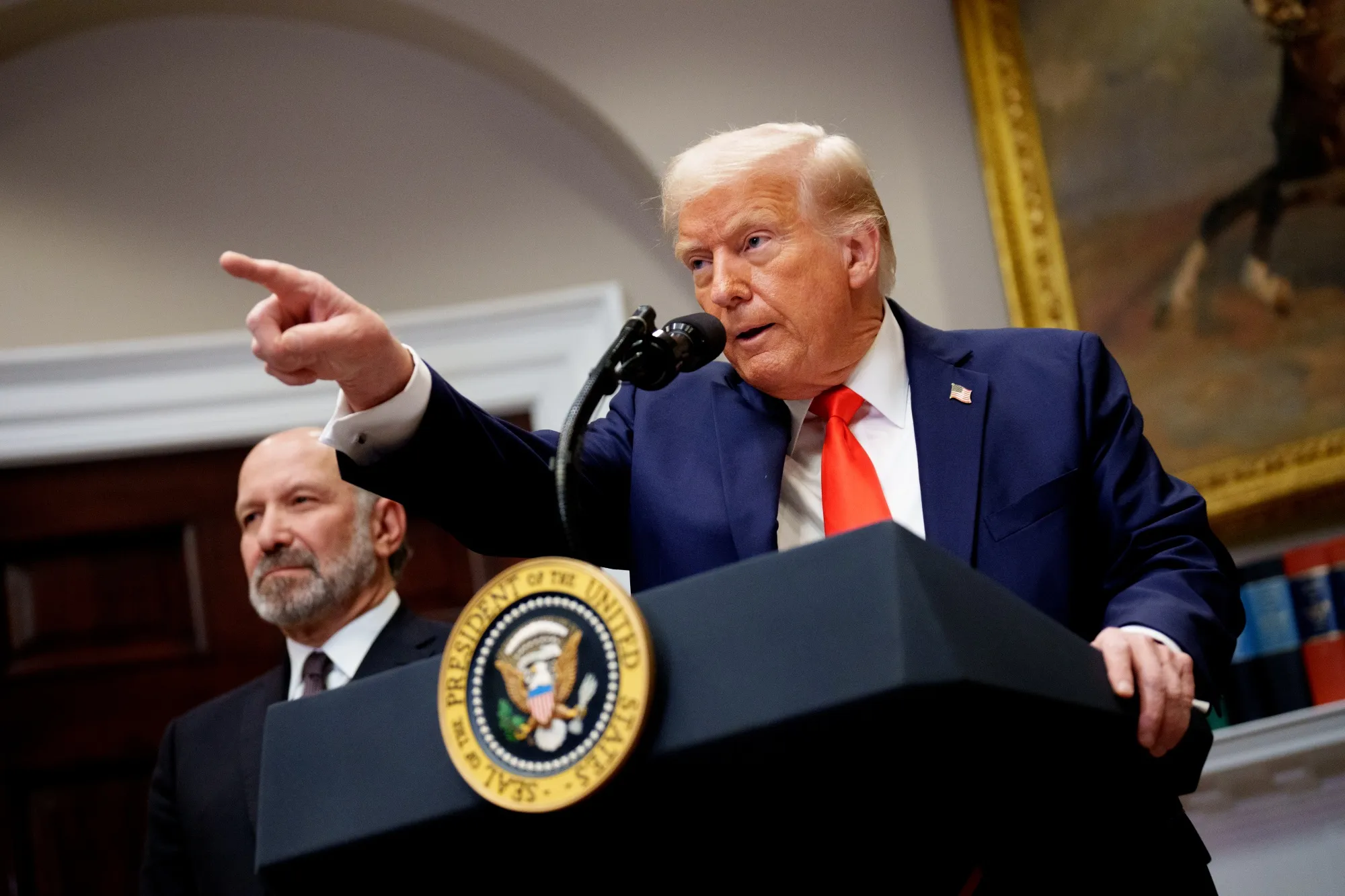
But the correction did not halt the political damage that followed. Instead, attention shifted to remarks by Donald J. Trump that critics said appeared to mock or trivialize violent rhetoric directed at political opponents — comments that, while not referencing an actual crime, landed at a moment of heightened public sensitivity. Within hours, the episode exposed a widening fracture inside the Republican Party over tone, responsibility and the boundaries of political speech.
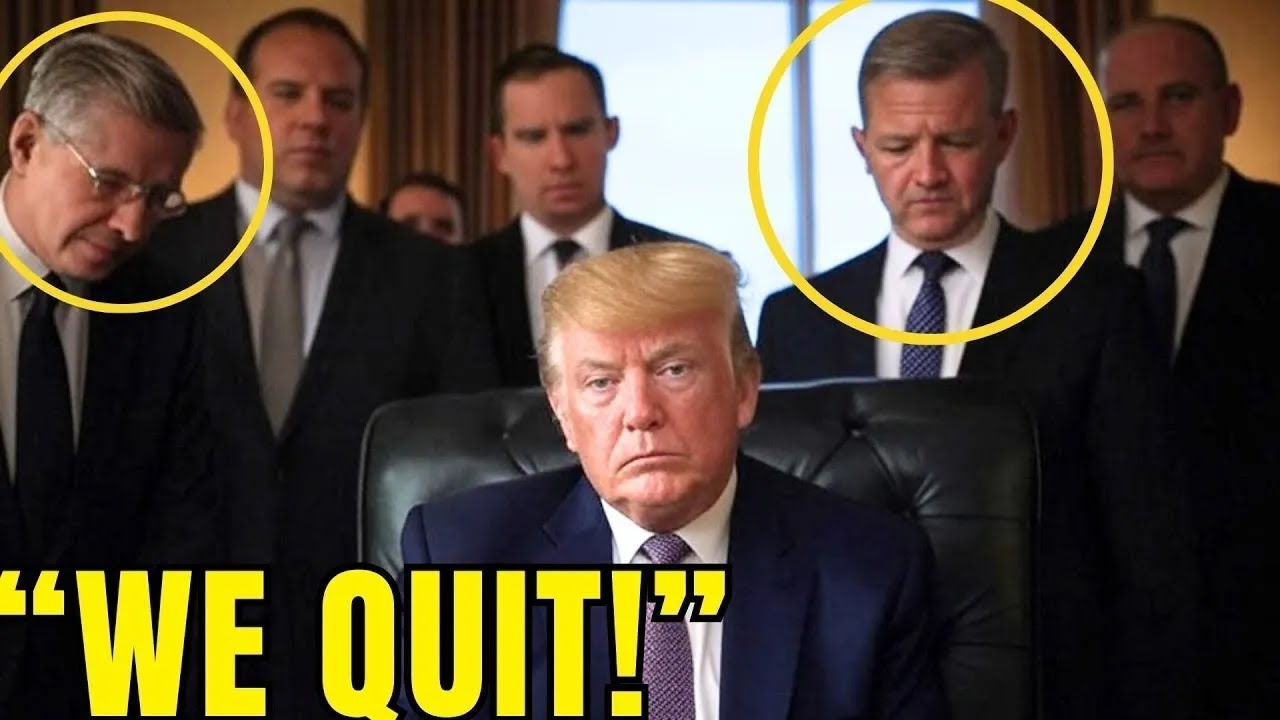
Mr. Trump’s comments, delivered in a familiar mix of grievance and provocation, were seized upon by Democrats and Republicans alike as emblematic of a broader problem: a willingness to treat threats and violent imagery as rhetorical tools rather than dangers to be unequivocally rejected. Clips of the remarks spread quickly, trending across platforms as commentators debated whether they reflected carelessness, cruelty or deliberate escalation.
What made this episode notable was not only the reaction from Mr. Trump’s traditional critics, but the response from within his own party. Several Republican lawmakers, some of whom have avoided public breaks with the former president, expressed discomfort with the tone of the remarks, saying privately and, in a few cases, publicly that they risked normalizing language that could inspire real-world harm.
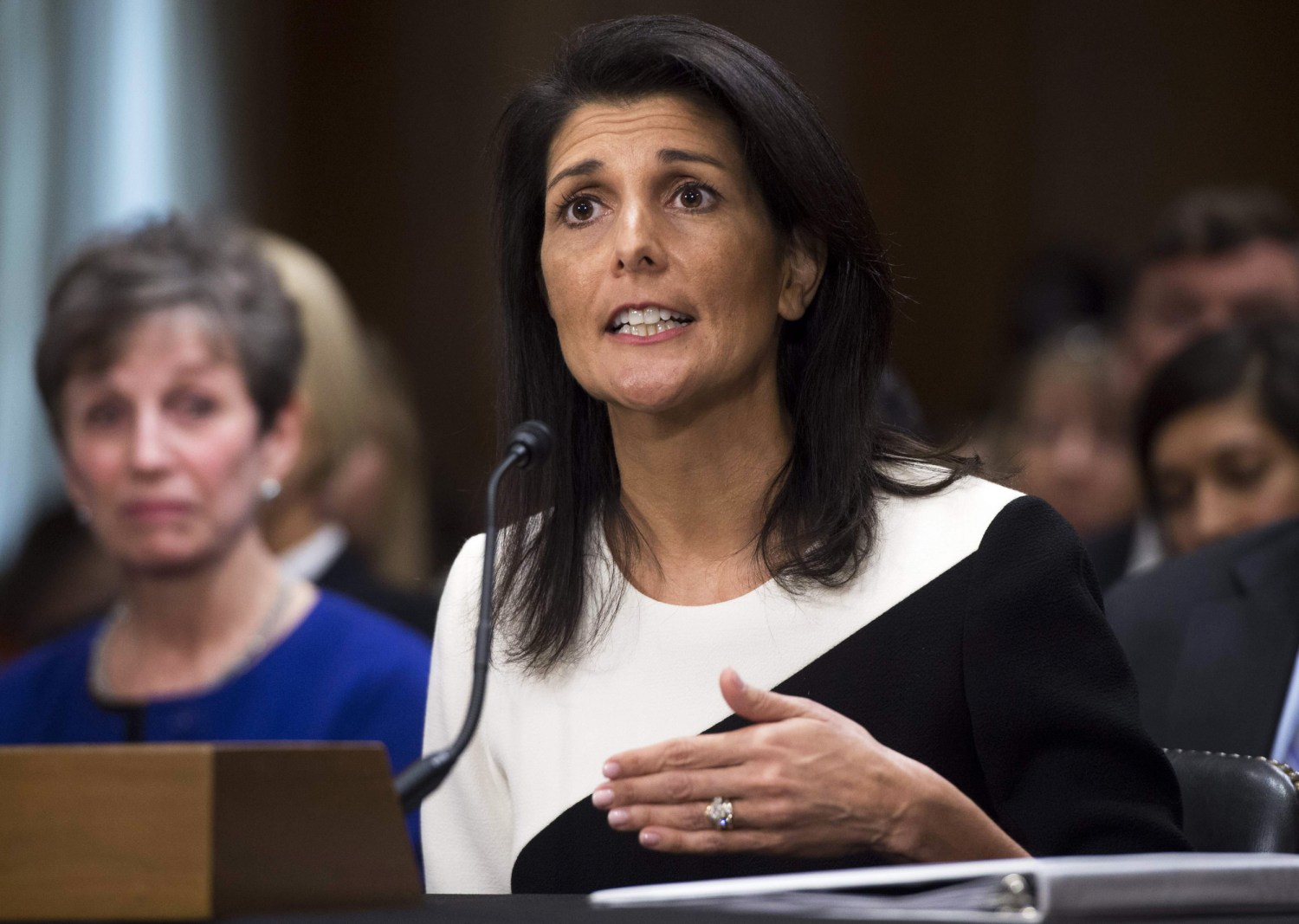
The most pointed rebuke came from Nikki Haley, the former United Nations ambassador and one-time Trump ally. Speaking to reporters, Ms. Haley criticized the comments as “needlessly cruel” and warned that political leaders had an obligation to lower, not inflame, tensions. Without naming Mr. Trump directly at first, she described a culture in which “outrage becomes entertainment, and consequences are treated as someone else’s problem.”
When pressed, she was more explicit, saying that leadership required restraint and moral clarity, particularly at a time when political violence remains a tangible concern. “Words matter,” she said. “And pretending they don’t is not strength.”
The remarks underscored a strategic and philosophical divide within the Republican Party. For Mr. Trump and his closest supporters, confrontation and provocation remain central to political identity, a way to dominate the news cycle and energize a base that thrives on perceived persecution. For others, including figures like Ms. Haley, the approach is increasingly viewed as a liability — electorally, ethically and institutionally.
Behind the scenes, according to people familiar with the internal response, there was concern among advisers and allied operatives that the episode had spiraled beyond control. Some urged rapid clarification, others quiet disengagement. But the pattern was familiar: a comment, a backlash, a partial walk-back or reframing, followed by deeper entrenchment.
What lingered was not the initial false report, quickly corrected, but the broader question it raised. How much responsibility do political leaders bear for the climate their rhetoric helps create? And at what point does provocation cease to be merely performative?
Mr. Trump’s defenders argued that critics were deliberately misinterpreting his words, weaponizing outrage to score political points. Yet even some sympathetic Republicans conceded that the moment was avoidable. As one former adviser put it, “This didn’t have to be a story. It became one because no one was willing to say, ‘Enough.’”
The episode arrives as the Republican Party continues to wrestle with its post-2020 identity. Loyalty to Mr. Trump remains a powerful force, but it now coexists with growing unease about the costs of perpetual escalation. Each controversy tests not only the former president’s influence, but the party’s tolerance for a politics that blurs the line between spectacle and responsibility.
In the end, the most consequential aspect of the uproar may not be the remarks themselves, but the reaction to them. The speed with which allies distanced themselves — and the clarity of some of their criticism — suggests that the internal debate is no longer theoretical. It is unfolding in real time, shaped by a growing recognition that political rhetoric, once unleashed, does not stay confined to the screen.