Chicago’s Christmas Tree Still Glowed When the Bullets Started Flying: A Night of Carnage in the Loop
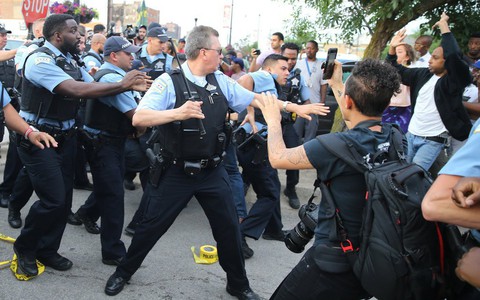
The colored lights had barely dimmed on the city’s official Christmas tree when downtown Chicago descended into a scene more reminiscent of a war zone than a winter wonderland. Just hours after families posed for selfies beneath the glittering branches, gunfire erupted near State and Randolph streets. What began as scattered pockets of “teen takeovers” exploded into a full-scale riot involving hundreds of juveniles, multiple shootings, and brazen assaults on police officers, some of whom were doused with mace and struck with stun guns in the melee.
Alderman Brian Hopkins, whose 2nd Ward encompasses the chaos, delivered a chilling real-time account on X that left little to the imagination:
“300 juveniles rioting in the Loop now, at least 5 victims shot, one critical with life-threatening gunshot wound to torso.”
Minutes later he added the gut-punch follow-up:
“Multiple police officers attacked and injured with mace and stun guns, at least one PO hospitalized.”
By dawn, the toll had climbed higher than initial reports suggested: nine people shot, including a 14-year-old boy who later died, and at least eight other teenagers wounded. Dozens more were arrested as police struggled to restore order in the heart of one of America’s most iconic shopping districts.
Witnesses described surreal scenes of holiday revelers sprinting for cover while groups of masked teens swarmed Michigan Avenue and State Street, jumping on cars, smashing windows, and taunting outnumbered officers. Video circulating on social media showed officers being surrounded, sprayed with chemical irritants, and struck with what appeared to be modified stun guns as they attempted to protect victims lying bleeding on the pavement.
The timing could not have been more jarring. Only hours earlier, Mayor Brandon Johnson and a crowd of cheerful Chicagoans had gathered for the annual tree-lighting ceremony, complete with carols and promises of a “safe and joyful” holiday season. Instead, the city’s most celebrated corridor became ground zero for the latest eruption of youth-driven violence that has plagued downtown on weekend nights for years, yet somehow always seems to catch officials flat-footed.
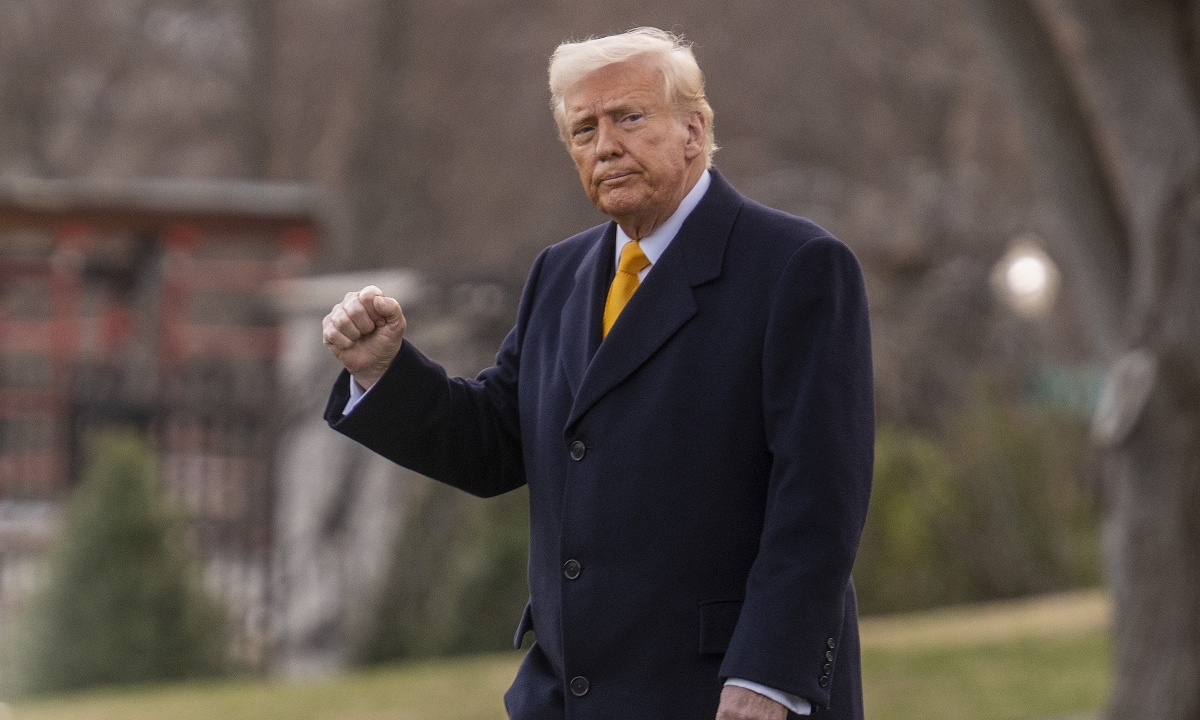
President D.o.n.a.l.d T.r.u.m.p wasted no time weaponizing the bloodshed. From his Mar-a-Lago residence, he fired off a blistering Truth Social broadside that branded Chicago’s leadership “incompetent beyond belief” and accused them of allowing the city to become “a Third World war zone.” He quoted residents allegedly chanting “Bring in Trump!” amid the riots and hinted darkly at federal intervention if local authorities remained “weak and pathetic.”
Sources inside the Chicago Police Department, speaking on condition of anonymity, painted an even grimmer picture: officers were ordered to avoid aggressive crowd dispersal early in the night for fear of escalating the situation, only to find themselves overwhelmed when the shooting started. One sergeant reportedly radioed for permission to deploy additional resources and was told to “hold the line” with existing personnel—a decision now under intense internal scrutiny.
As trauma surgeons at Northwestern Memorial and Rush University Medical Center fought to save the most critically wounded, questions swirled about how a predictable pattern of “teen takeover” events could once again spiral into lethal violence directly under the glow of the city’s Christmas decorations. Community activists pointed to years of disinvestment on the South and West sides, while law-and-order advocates demanded immediate National Guard deployment.
The juxtaposition was almost cinematic in its cruelty: twinkling reindeer projections on the Macy’s building while teenagers bled out on the sidewalk beneath them. Shoppers who had spent the evening hunting for holiday bargains suddenly found themselves crouched behind concrete planters as gunfire echoed off the canyon walls of the Loop.
By morning, the Christmas tree still stood, its multicolored lights blinking serenely over streets now littered with broken glass, abandoned shoes, and police tape. But for many Chicagoans, the innocence of the season had been irreparably shattered.
What really happened in those crucial minutes between the first gunshots and the arrival of overwhelming police reinforcements? Why were officers reportedly left exposed and outnumbered? And perhaps most urgently: when a city’s holiday centerpiece becomes the backdrop for teenage bloodshed, how much longer can leaders pretend the current approach is working?
The answers are emerging slowly, and they are not pretty. Click through for exclusive body-cam footage, the unfiltered radio transmissions, and the one detail city officials desperately don’t want you to see.