CANADA’S ARCTIC POWER PLAY SHOCKS WASHINGTON AS GREENLAND SIGNALS A NEW DIRECTION
Canada has quietly made one of its most consequential Arctic moves in decades by opening a new consulate in Nuuk, the capital of Greenland. On paper, the decision looked administrative. In reality, it triggered an unexpected and revealing response from Greenlandic leaders—one that exposed a deeper realignment unfolding across the Arctic. Rather than hesitation or suspicion, Greenland’s reaction reflected relief, familiarity, and readiness for closer cooperation with Canada.
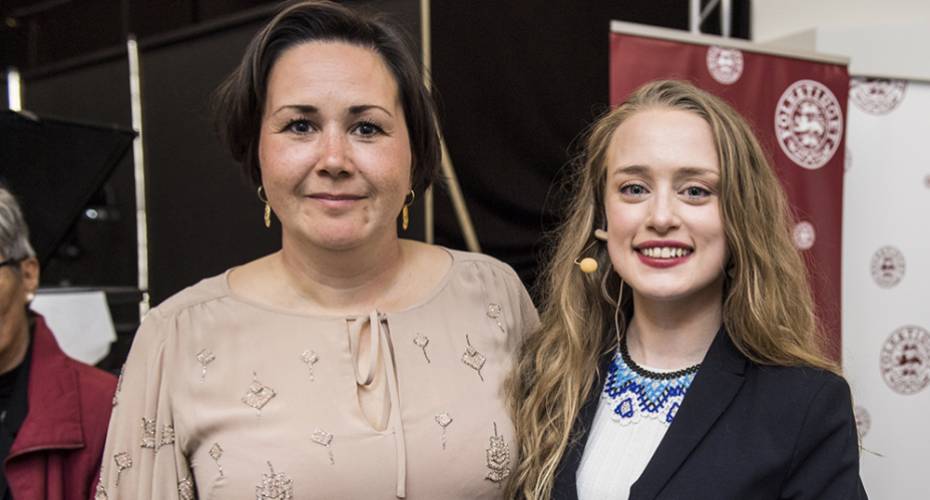
Greenlandic lawmakers openly described the move as “long overdue,” pointing to deep cultural and historical ties between Greenland’s Inuit population and Indigenous communities across northern Canada and Alaska. Those connections—built through generations of shared hunting routes, environmental knowledge, and Arctic survival—created a foundation of trust long before modern diplomacy entered the picture. By establishing a permanent diplomatic presence in Nuuk, Canada formalized a relationship that already existed at the human level, something few outside observers fully appreciated.
Timing made the move even more significant. Greenland is actively seeking greater economic autonomy from Denmark, particularly by reducing dependence on costly Danish transport routes and subsidies. Canada’s geographic proximity offers shorter trade corridors, lower shipping costs, and natural alignment with Greenland’s long-term development goals. For Greenland, the consulate signaled not pressure or control—but partnership at a moment when practical alternatives matter most.
The contrast with Washington could not be sharper. Past remarks by Donald Trump about purchasing Greenland or treating it as a strategic asset left lasting unease on the island. Greenlandic officials made it clear they rejected any notion of ownership or coercion, reinforcing that the island is “not for sale.” That stance created space for Canada to step forward with a different approach—one grounded in respect for sovereignty, identity, and self-direction rather than dominance.

Economics now sits at the center of this evolving partnership. Greenland aims to build a clean, low-emission resource economy powered by hydro and renewable energy, particularly in mining and critical minerals. Canada brings experience in hydro-powered aluminum production, Arctic logistics, and sustainable extraction—all compatible with Greenland’s ambition to meet strict European climate standards and expand beyond raw exports. The Nuuk consulate provides a hub to coordinate research, pilot projects, and trade frameworks that could quietly reshape Arctic supply chains.
As climate change opens new Arctic shipping routes and global competition for resources intensifies, Greenland’s strategic value will only grow. Its response to Canada offers a glimpse of how future Arctic partnerships may form—not through pressure or acquisition, but through shared identity, patience, and long-term cooperation. In choosing collaboration over control, Greenland may have revealed where the balance of Arctic influence is heading next—and why Canada, not Washington, is increasingly seen as the partner of choice at the top of the world.