CANADA & MEXICO STEAL THE SPOTLIGHT AT THE 2026 WORLD CUP AS U.S. FACES GLOBAL EMBARRASSMENT
The 2026 FIFA World Cup was meant to be a historic showcase of North American unity, jointly hosted by United States, Canada, and Mexico. Instead, as preparations accelerate, the global narrative has begun to shift. International attention is increasingly focused on Canada and Mexico’s calm, disciplined leadership—while the United States faces mounting scrutiny over political interference, safety rhetoric, and organizational uncertainty that has cast a shadow over the tournament.
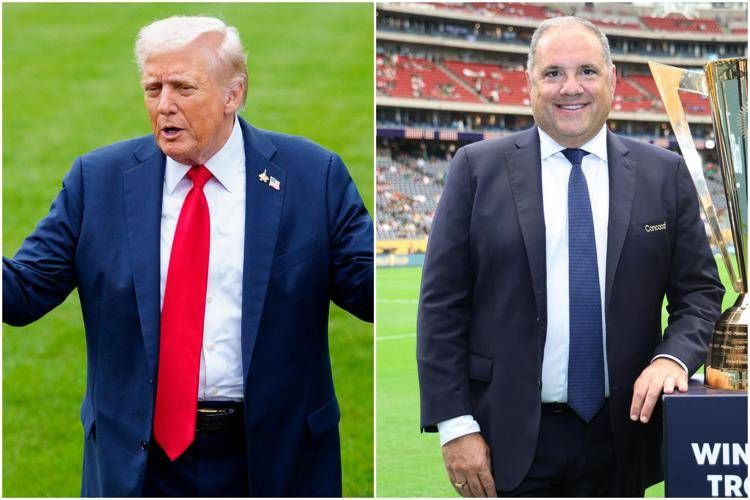
That shift accelerated after President Donald Trump publicly suggested that World Cup matches could be relocated away from U.S. cities he deemed “unsafe.” What was framed as a law-and-order stance quickly triggered alarm across the football world. The World Cup is governed by long-standing contracts, years of planning, and international agreements—none of which can be reshuffled by political statements. Yet the damage was not logistical, but reputational, raising doubts about whether the U.S. could host the world’s biggest sporting event without turning it into a political battleground.
Inside FIFA, the response was measured but firm. Senior officials emphasized that football stands above politics and that no single government controls the tournament. Quietly, however, Trump’s comments reignited concerns about perception, neutrality, and stability. Global media seized on the controversy, questioning U.S. leadership and highlighting how even symbolic threats can unsettle sponsors, fans, and host cities tied to multi-billion-dollar investments.
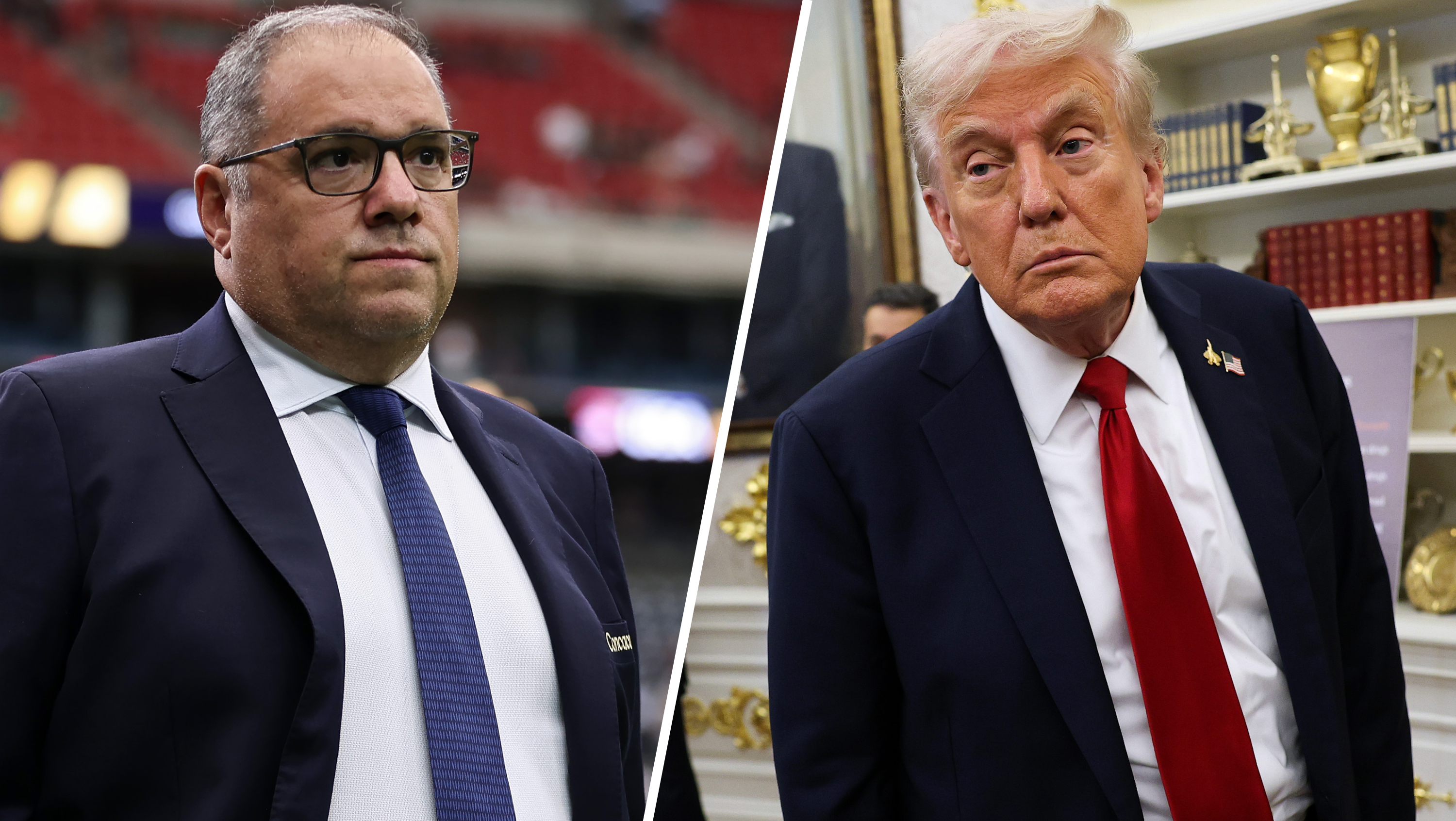
As confidence in the American leg of the tournament wavered, Canada and Mexico moved in the opposite direction. Both countries hit planning milestones early, maintained consistent communication with FIFA, and projected reliability to sponsors and broadcasters. From streamlined ticketing systems to expanding fan zones and infrastructure upgrades, their approach has been methodical and apolitical—earning growing praise as dependable pillars of the 2026 World Cup.
The contrast has begun to influence economics as well as optics. Sponsors and partners are reportedly prioritizing Canadian and Mexican venues, viewing them as lower-risk environments amid U.S. political volatility. Visa complexity, safety rhetoric, and inflammatory language from Washington have only sharpened the divide. What began as a joint hosting triumph is slowly evolving into a perception shift, with Canada and Mexico emerging as the steady faces of the tournament.
With kickoff approaching, the 2026 World Cup is becoming more than a sporting event—it is a test of credibility. While FIFA insists all 16 host cities remain on track, the global audience is watching closely. Canada and Mexico are capitalizing on the moment, while the United States grapples with the consequences of politicizing a global celebration. The biggest question now is no longer who will lift the trophy, but whether America can regain the trust it once commanded on football’s grandest stage.