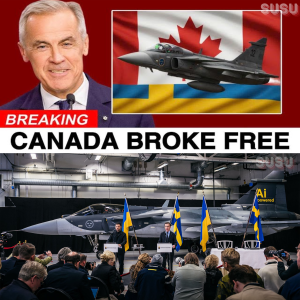
TRUMP TARIFF EMPIRE COLLAPSES — SUPREME COURT BLOCKS $175 BILLION IN REVENUE — IEEPA AUTHORITY STRUCK DOWN
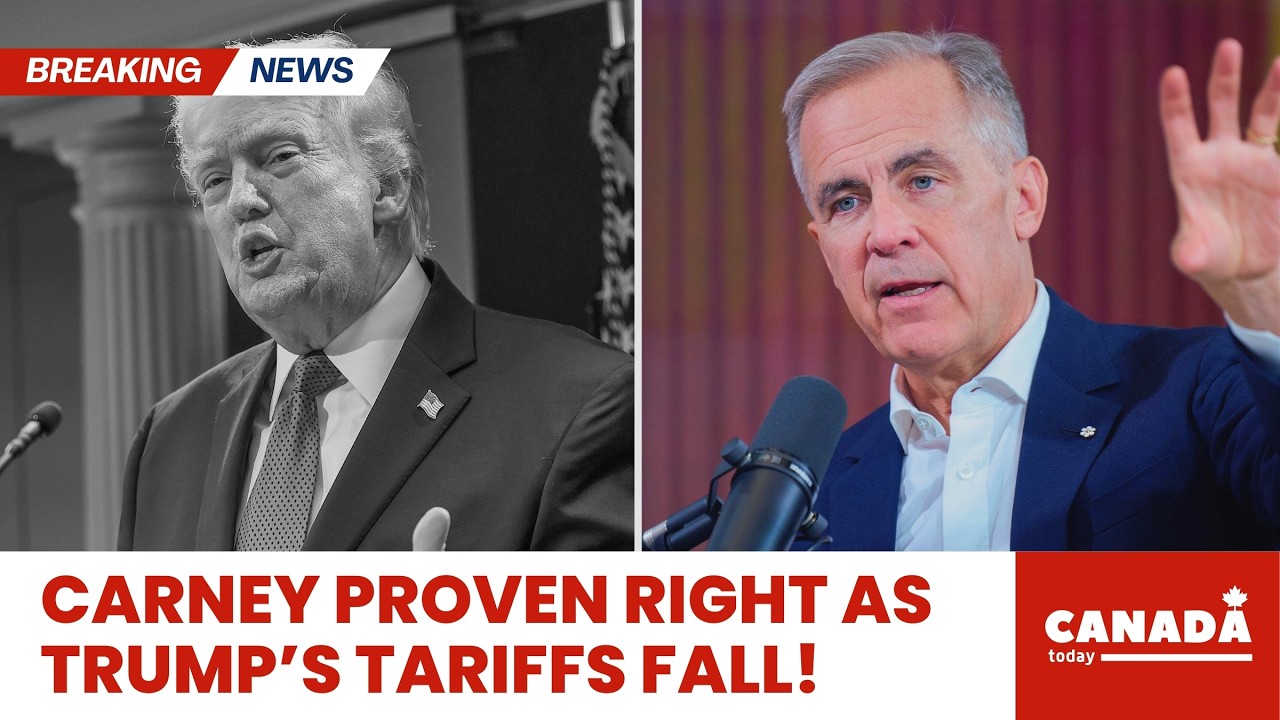
In a landmark decision that reshapes U.S. trade policy, the Supreme Court has ruled against President Donald Trump’s use of emergency powers to impose widespread tariffs. This ruling, issued on February 20, 2026, invalidates tariffs enacted under the International Emergency Economic Powers Act (IEEPA), potentially affecting up to $175 billion in revenue. The case highlights tensions between executive authority and congressional oversight in international trade, drawing attention to key political figures like Trump and former Bank of Canada Governor Mark Carney, whose approaches to trade negotiations have come under scrutiny amid global economic shifts.
The Supreme Court’s Landmark Ruling on IEEPA Tariffs
The U.S. Supreme Court, in a 6-3 decision in the consolidated cases of Learning Resources, Inc. v. Trump and Trump v. V.O.S. Selections, Inc., held that IEEPA does not authorize the President to impose tariffs. Chief Justice John Roberts, writing for the majority, emphasized that the power to lay and collect duties—a form of taxation—resides exclusively with Congress under Article I, Section 8 of the Constitution. The Court rejected the administration’s interpretation of IEEPA’s language allowing the President to “regulate… importation” during national emergencies, stating that this does not extend to imposing tariffs of unlimited scope, amount, or duration.
This ruling directly challenges the legal foundation of tariffs Trump implemented since early 2025, including reciprocal tariffs addressing trade deficits and drug trafficking tariffs targeting imports from Canada, Mexico, and China. Estimates from sources like the Penn-Wharton Budget Model suggest that over $175 billion in tariff revenue collected under IEEPA could now be subject to refunds, creating uncertainty for importers and the federal budget. The decision underscores a broader debate on executive overreach in foreign policy, with dissenting justices arguing that the ruling could disrupt existing trade agreements and economic stability.
Background on Trump’s Tariff Strategy and Its Global Reach
President Trump’s tariff policies have been a cornerstone of his economic agenda, aimed at addressing perceived threats to U.S. national security, foreign policy, and the economy. Invoking IEEPA, Trump declared national emergencies related to drug influxes and persistent trade deficits, imposing duties on a wide range of imports. These measures affected allies and adversaries alike, leading to retaliatory actions from countries such as China and Canada, and prompting frantic negotiations worldwide.
The tariffs were designed as leverage in trade talks, generating significant revenue while pressuring trading partners to make concessions. However, critics argued that bypassing Congress violated constitutional principles, as tariffs are inherently taxes that require legislative approval. This strategy drew mixed reactions: some praised it for bolstering domestic industries, while others warned of increased costs for consumers and businesses, potentially exacerbating inflation and supply chain disruptions.
Mark Carney’s Role: Canada’s Strategic Response to U.S. Tariffs
Amid the tariff turmoil, Mark Carney, the former Governor of the Bank of Canada and a prominent figure in international finance, emerges as a key player in Canada’s trade diplomacy. During negotiations, Carney advocated for a measured approach, emphasizing that Canada would not compromise its long-term economic sovereignty for short-term relief. This stance, initially criticized as inflexible, involved refusing rushed deals and focusing on diversification and compliance with the United States-Mexico-Canada Agreement (USMCA).
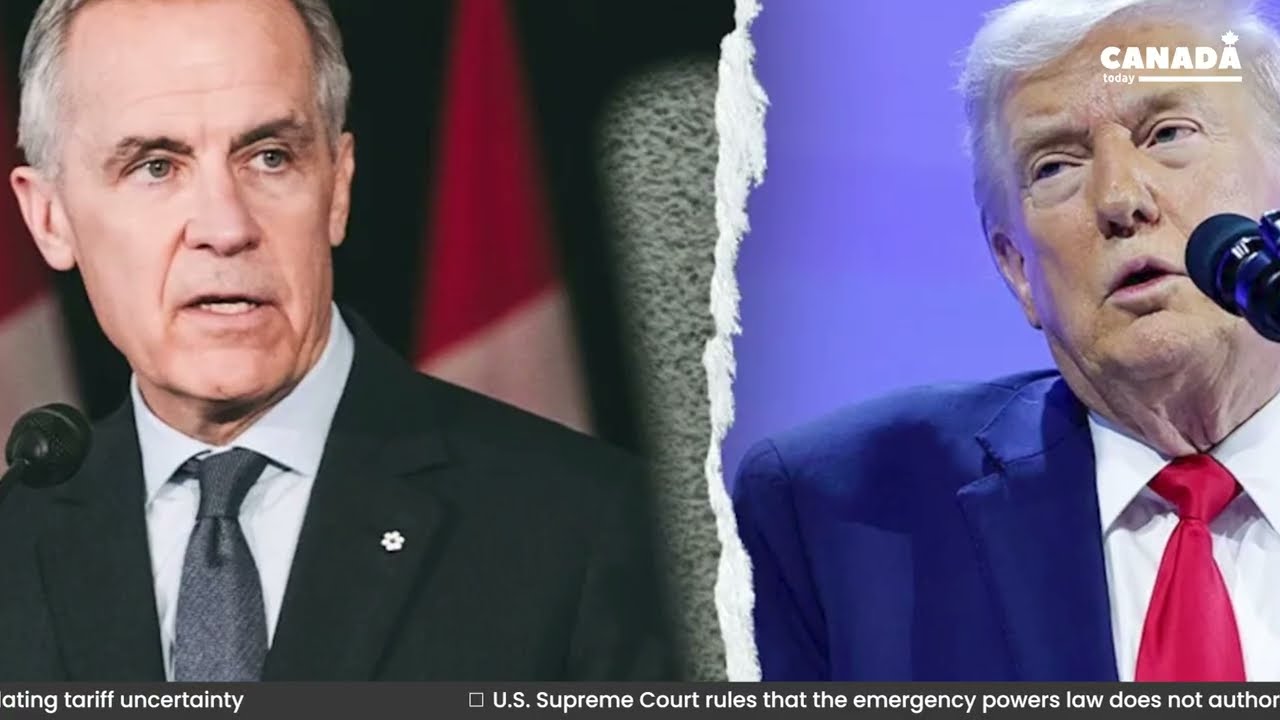
Canada’s exemptions under USMCA for compliant goods have shielded it from some of the fallout, allowing cross-border trade to continue at zero percent duties in many sectors. As the Supreme Court’s ruling dismantles the IEEPA framework, Carney’s patience appears vindicated, positioning Canada advantageously while other nations reevaluate agreements signed under duress. This highlights the interplay between U.S. and Canadian leadership in North American trade dynamics, with Carney’s expertise in global economics influencing outcomes beyond borders.
Trump’s Pivot: New Tariffs Under Alternative Authorities
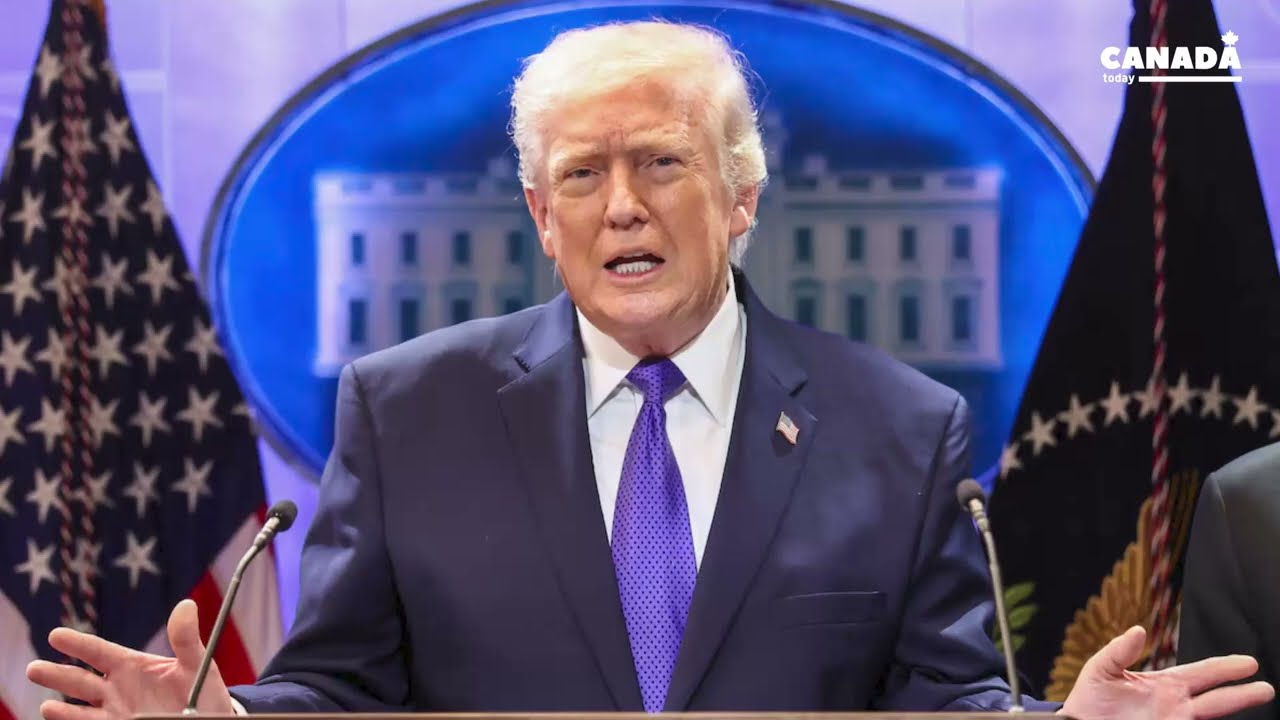
In response to the ruling, President Trump swiftly announced a temporary 10% global tariff under Section 122 of the Trade Act of 1974, effective for up to 150 days. This move allows time for congressional oversight and sector-specific investigations, potentially leading to targeted duties. While this sidesteps the IEEPA issue, it introduces new uncertainties, including increased litigation risks and time limits that could force negotiations with Congress.
The administration’s quick adaptation reflects Trump’s commitment to his trade vision, but it also exposes vulnerabilities. With the emergency justification removed, trade partners may gain leverage, and businesses face ongoing volatility in calculating risks for shipments and investments.
Economic and Global Implications of the Ruling
The decision could reduce the U.S. trade-weighted average tariff from 15.3% to 8.3%, according to analyses, alleviating some pressure on importers but raising questions about refund processes. For the U.S. economy, this might mean lower costs for goods, but it could also disrupt revenue streams equivalent to major departmental budgets. Globally, countries like Canada benefit from stability under existing frameworks, while others, facing higher relative duties, may seek revisions.
This ruling not only limits presidential powers in trade but also sets a precedent for future administrations, emphasizing congressional roles in economic policy. As litigation unfolds and refunds are pursued, the international community watches closely, pondering the balance between protectionism and free trade.
Looking Ahead: Uncertainty in U.S. Trade Policy
As the dust settles, the Supreme Court’s intervention marks a pivotal moment in U.S.-international relations, spotlighting figures like Trump and Carney in the ongoing narrative of global trade. With potential for congressional action and further legal challenges, the landscape remains fluid. Businesses and policymakers must navigate this evolving environment, where strategic decisions could redefine economic alliances.
For more insights on how this ruling affects global trade, stay tuned for updates. The full implications are yet to unfold, but one thing is clear: the era of unchecked executive tariffs has faced a significant constitutional check.