Another day, another tariff threat from Donald Trump. This time, the number was designed to shock: a 100% tariff on all Canadian goods entering the United States. On the surface, it sounded catastrophic—an economic ultimatum meant to force Ottawa back into line.
But once the theatrics faded, something far more revealing emerged.
This wasn’t strength.
It was exposure.
The moment analysts and industry leaders looked past the headline, the threat began collapsing under its own weight. A tariff that extreme wouldn’t cripple Canada first. It would detonate inside the United States, hitting American consumers, industries, and voters almost immediately.
And Trump knows it.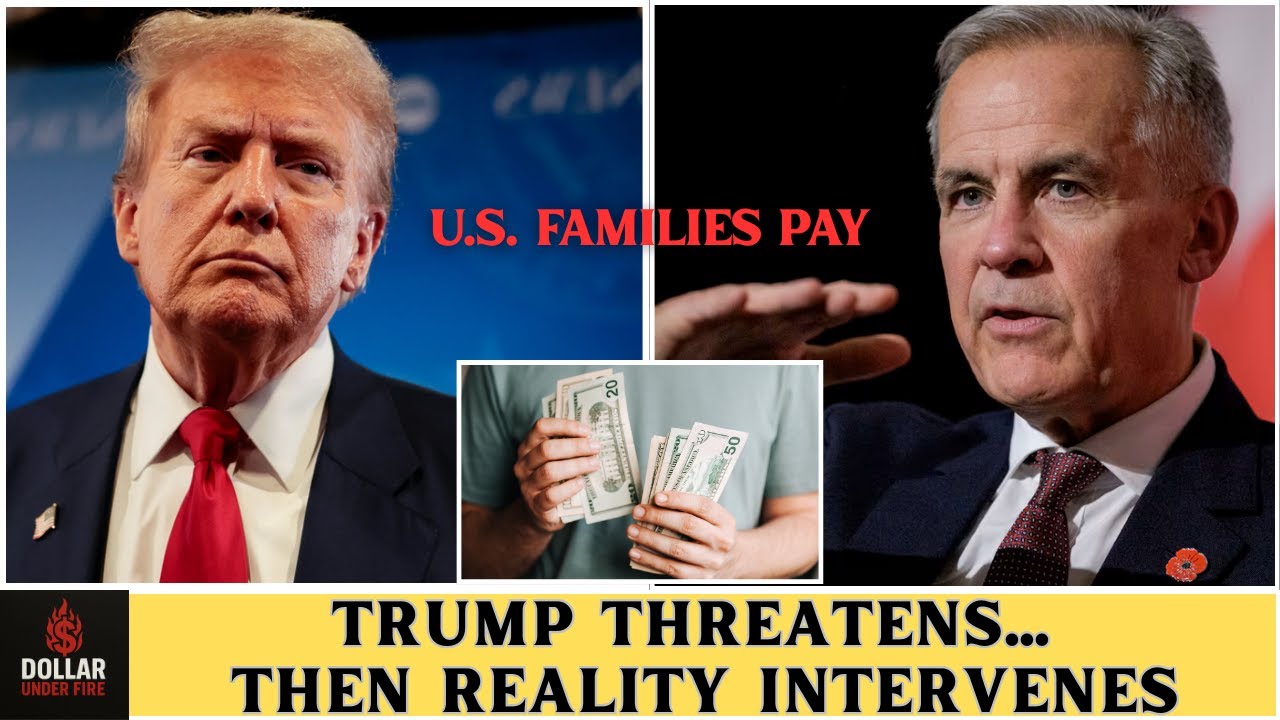
The problem is simple and unavoidable: the U.S. economy is deeply, structurally dependent on Canada in ways that cannot be switched off, rerouted, or replaced overnight. A 100% tariff isn’t leverage—it’s an economic grenade with the pin pulled on Washington’s side.
Start with energy. Canada supplies roughly 40% of the oil consumed in the United States, feeding refineries across the Midwest that are specifically engineered for Canadian crude. This isn’t oil you can casually swap out.
These refineries can’t magically adjust to different grades without massive cost and time. If Canadian oil were hit with a punitive tariff, prices wouldn’t inch upward—they would spike within days.
Gasoline prices would surge. Heating costs would jump. Transportation expenses would ripple across the entire economy. Inflation wouldn’t be theoretical—it would show up immediately at American gas stations.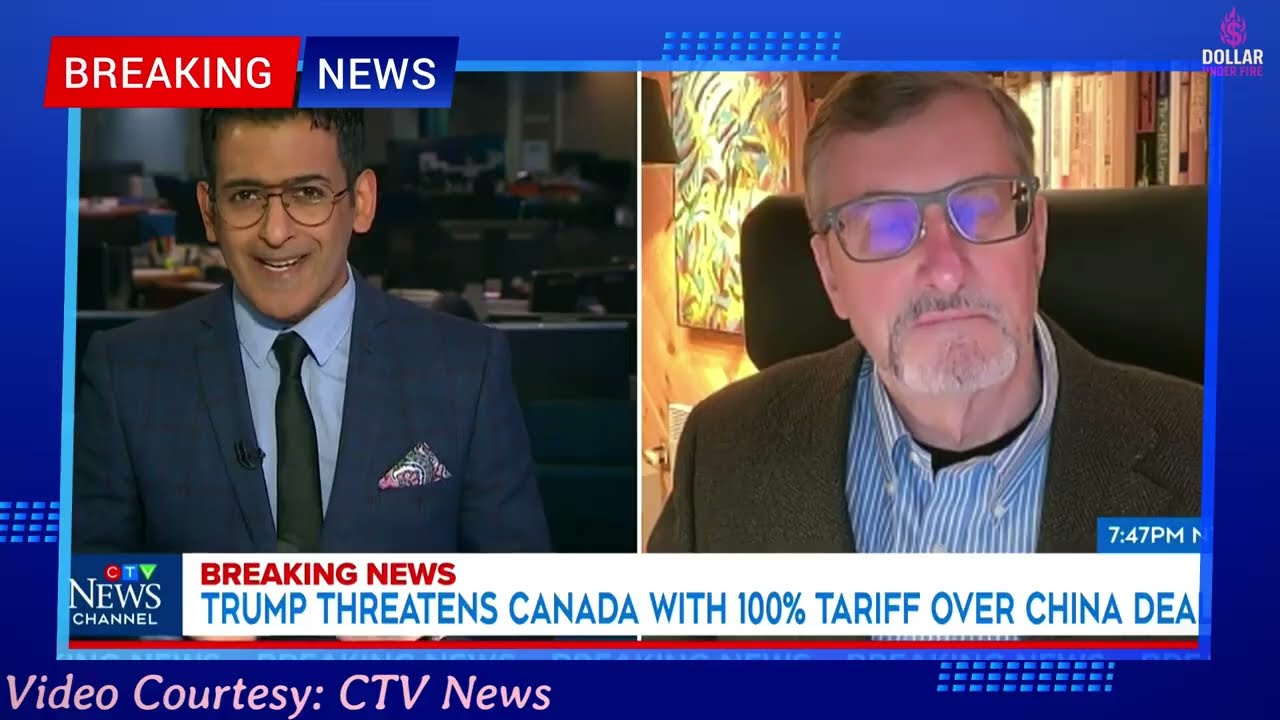
And oil is just the first layer.
The Canada–U.S. relationship isn’t traditional foreign trade. It’s a shared production system. Steel, aluminum, auto parts, fertilizers, lumber, and critical minerals don’t cross the border once—they cross it multiple times before becoming finished products. Slapping a 100% tariff on that system wouldn’t punish a foreign rival. It would paralyze domestic manufacturing.
American automakers would see costs explode overnight. Construction projects would stall. Farmers would pay more for fertilizer and feed. Defense contractors would face supply disruptions. Governors, manufacturers, and industry groups would revolt almost instantly—not next year, not after studies, but immediately.
Then comes the political danger zone Trump understands better than anyone: groceries.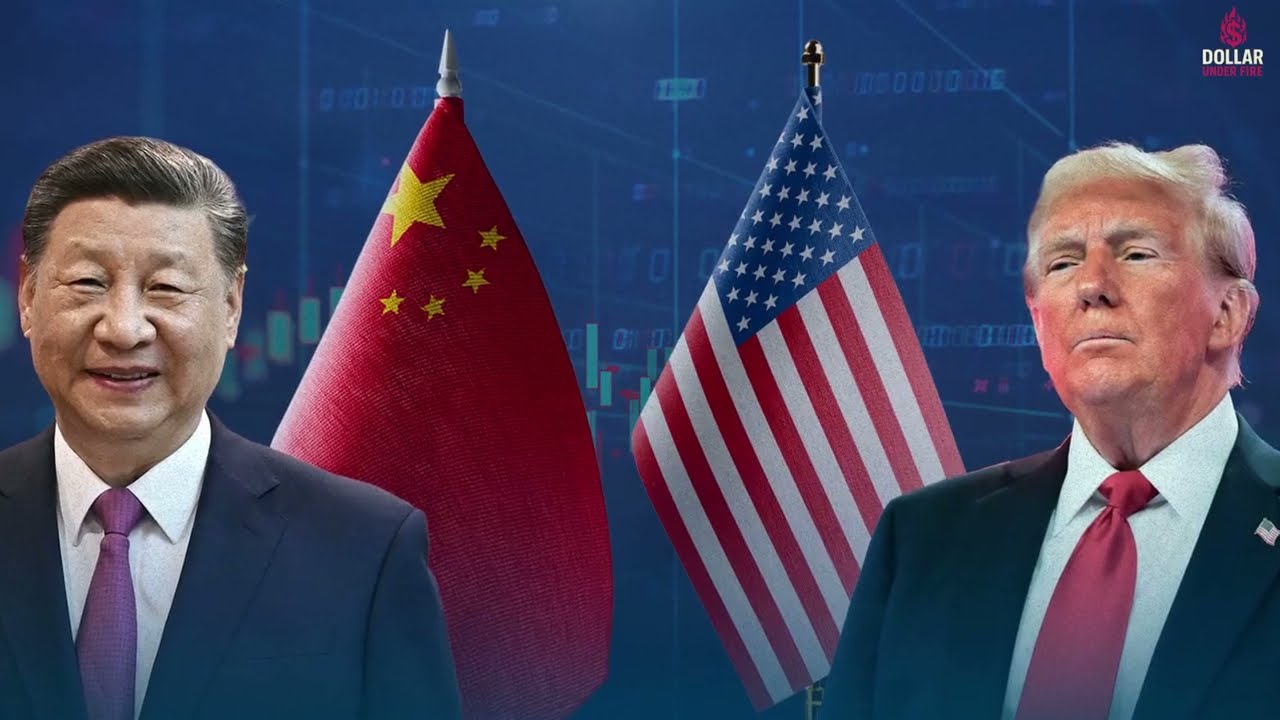
Canada is a major supplier of wheat, canola, beef, and agricultural inputs that feed directly into the U.S. food system. These are staples, not luxuries. A 100% tariff wouldn’t take months to filter through supply chains. Bread prices would rise. Meat costs would climb. Cooking oils and packaged foods would spike at the same time.
Grocery inflation is politically toxic. Voters don’t need economists to explain it—they feel it at the checkout line. And Trump knows food price shocks spread fast, hit hard, and trigger backlash across every income level.
That’s why this threat was never meant to be executed.
It wasn’t policy. It was pressure.
And pressure of this kind usually appears when leverage is slipping. Strip away the China rhetoric and trade justifications, and the real trigger becomes clearer. This wasn’t about rules or fairness. It was about control—and about Canada refusing to quietly play the role Trump expects.
When Canada restored limited trade arrangements with China—far less sweeping than deals Washington itself has struck—Trump framed it as betrayal. Yet the contradiction was glaring. When Trump eases tariffs with Beijing, it’s “strategy.” When Canada does something similar, it’s disloyalty deserving punishment.
That isn’t trade logic. It’s selective outrage.
The deeper anxiety is this: Canada is signaling it has options. And options weaken intimidation. The moment Ottawa demonstrates it isn’t boxed into a single economic orbit, pressure tactics lose effectiveness. That’s when escalation becomes louder—but not more real.
Trump knows Canada still trades heavily with the U.S. He knows roughly three-quarters of Canadian exports flow south. That exposure is the pressure point he’s trying to exploit ahead of future trade negotiations. But leverage only works when dependency runs one way.
Here, it doesn’t.
Canada isn’t expendable. It anchors U.S. energy security, stabilizes food prices, and underpins manufacturing supply chains across multiple states. Any attempt to weaponize trade at this scale would immediately harm American households long before it ever bends Ottawa.
That’s why the threat stayed a threat.
Because the moment it became policy, the backlash wouldn’t come from Canada. It would come from U.S. voters, businesses, governors, and industries asking why they were being forced to pay for a political tantrum.
Trump tried to project dominance.
Instead, he revealed dependence.
And once that truth is out, it can’t be unseen.