The Emmy Wars of Late-Night Television Take a Shocking Twist
In the cutthroat world of late-night television, where hosts battle for ratings, relevance, and the coveted Emmy Award, competition has always been fierce. The Emmy race is a high-stakes game, with each host and network pulling out all the stops to secure the Outstanding Talk Series trophy. But in a jaw-dropping twist that has Hollywood buzzing, Jimmy Kimmel, the irreverent host of Jimmy Kimmel Live!, has flipped the script on rivalry with a bold, hilarious, and unprecedented move: a massive Sunset Strip billboard endorsing his rival, Stephen Colbert, for an Emmy. This stunt has blurred the line between competition and camaraderie, redefined Emmy campaigning, and sent shockwaves through the late-night arena.
A Rivalry Rooted in Tradition
Late-night television has long been a battleground for comedic titans. From Johnny Carson’s reign to the Leno-Letterman feud of the 1990s, the genre thrives on rivalries that fuel headlines and fan debates. Today, the landscape is no less competitive, with hosts like Jimmy Kimmel, Stephen Colbert, Jimmy Fallon, Seth Meyers, and John Oliver vying for cultural dominance and Emmy glory. The Outstanding Talk Series category, introduced in 2015, has become the ultimate prize, with winners like The Daily Show and Last Week Tonight with John Oliver setting a high bar.
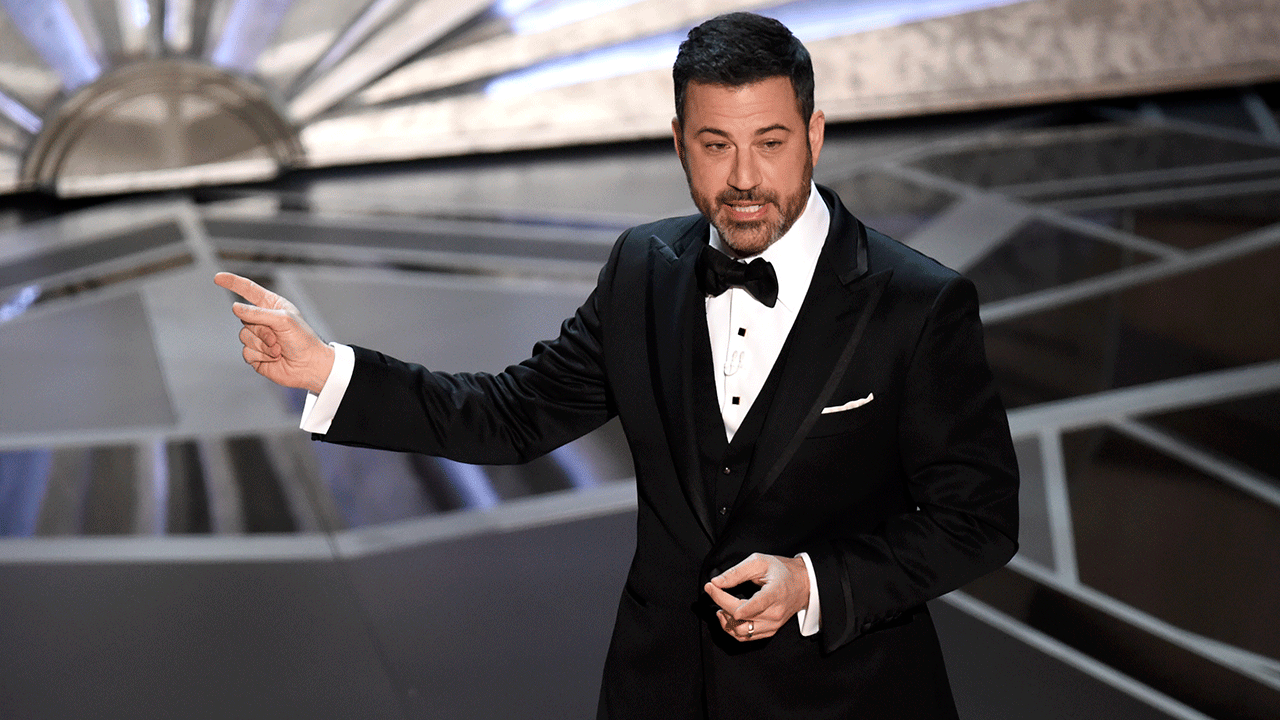
Kimmel and Colbert, in particular, have been seen as friendly rivals. Both are sharp-witted, politically savvy, and unafraid to push boundaries, yet their shows—Jimmy Kimmel Live! on ABC and The Late Show with Stephen Colbert on CBS—cater to slightly different audiences. Kimmel’s West Coast irreverence contrasts with Colbert’s East Coast polish, making their competition a fascinating clash of styles. For years, fans and industry insiders have speculated about tension between the two, especially as Emmy season amplifies every perceived slight or jab.
The Billboard That Broke the Internet
Enter Kimmel’s audacious stunt. In early August 2025, drivers along Los Angeles’ iconic Sunset Strip were stunned to see a towering billboard featuring a grinning Stephen Colbert, with bold text proclaiming: “For Your Consideration: Stephen Colbert for Emmy – From Your Pal, Jimmy Kimmel.” The billboard, strategically placed in one of Hollywood’s most visible locations, was impossible to ignore. Social media exploded, with fans and celebrities alike sharing photos and speculating about Kimmel’s motives. Was this a genuine endorsement? A sarcastic jab? Or something else entirely?
The move was quintessential Kimmel—playful, subversive, and dripping with irony. Known for his pranks and willingness to poke fun at himself and the industry, Kimmel took Emmy campaigning to a new level. By publicly endorsing a rival, he didn’t just break the unspoken rules of competition; he obliterated them. “I’ve always admired Stephen’s work,” Kimmel said on his show the following night, barely containing his laughter. “He’s a genius, and I figured, why not give credit where credit’s due?” The audience roared, but the question lingered: was this camaraderie or a calculated power play?
Hollywood’s Reaction: Shock, Laughter, and Debate
The billboard sparked a frenzy in Hollywood. Industry insiders praised Kimmel’s ingenuity, with one producer calling it “the most brilliant Emmy campaign stunt in years.” Others were skeptical, wondering if Kimmel was subtly mocking the awards process or even Colbert himself. “It’s classic Kimmel,” said a late-night writer. “He’s playing chess while everyone else is playing checkers.” On X, posts ranged from admiration (“Jimmy Kimmel just won the Emmy for chaos”) to conspiracy theories (“This is Kimmel saying he doesn’t need the Emmy. Total flex.”).
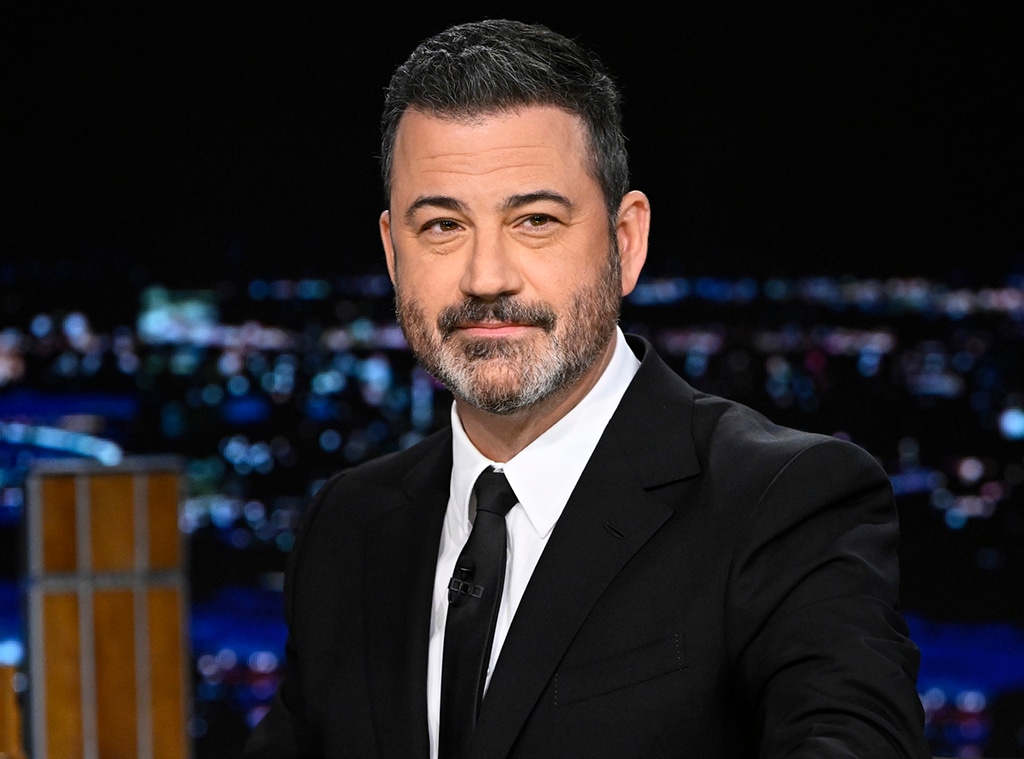
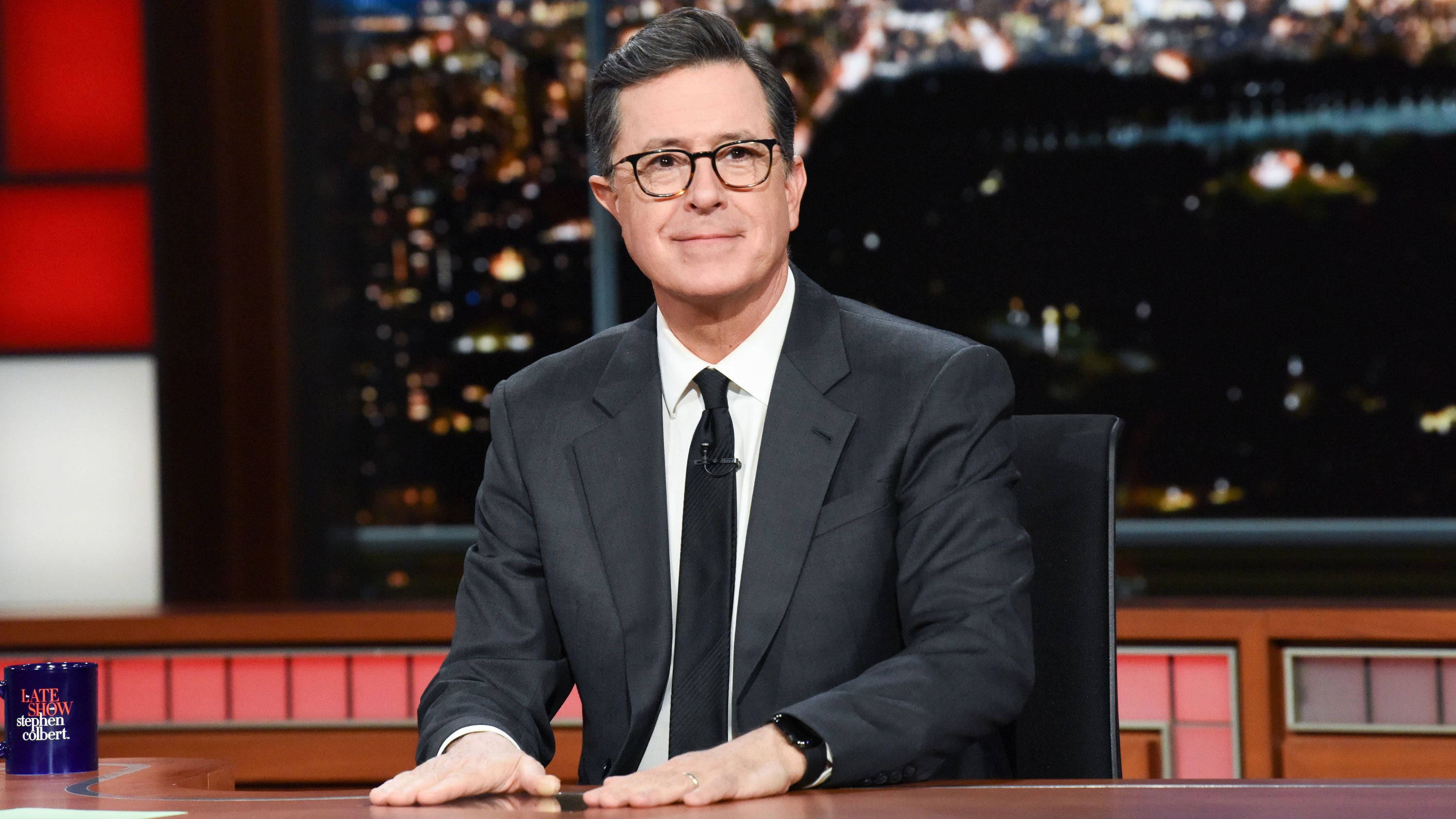
Colbert, ever the quick-witted showman, responded on The Late Show with a mix of gratitude and playful suspicion. “Jimmy, I appreciate the love, but I’m watching you,” he quipped, holding up a mock “For Your Consideration” ad for Kimmel. The exchange showcased the unique chemistry between the two hosts, who have long maintained a public friendship despite their rivalry. Their banter highlighted a truth about late-night: while competition drives the genre, camaraderie often defines its spirit.
Redefining Emmy Campaigning
Kimmel’s stunt has broader implications for how Emmy campaigns are conducted. Traditionally, networks spend millions on “For Your Consideration” ads, events, and schmoozing to sway voters. These campaigns are often formulaic, with glossy ads in trade publications and carefully crafted narratives about a show’s cultural impact. Kimmel’s billboard, by contrast, was a masterclass in disruption. It was cost-effective, attention-grabbing, and impossible to ignore—qualities that resonate in an era where viral moments often outshine traditional marketing.
The move also exposed the absurdity of awards season. By endorsing a competitor, Kimmel highlighted the arbitrary nature of pitting creative talents against each other. “The Emmys are great, but let’s be honest—they’re also a popularity contest,” he said in a follow-up interview. “I wanted to have fun with it and maybe remind everyone to chill.” His approach resonated with younger audiences, who see through the polished veneer of awards shows and crave authenticity.
The Line Between Competition and Camaraderie
At its core, Kimmel’s stunt blurred the line between competition and camaraderie, a dynamic that defines late-night television. Hosts may compete for viewers and accolades, but they also share a unique bond, navigating the same pressures and absurdities of the industry. Kimmel and Colbert, both vocal advocates for issues like healthcare and political accountability, have more in common than their rivalry suggests. The billboard, in a way, was a nod to that shared experience—a reminder that even in a cutthroat race, there’s room for respect and humor.
This moment also reflects the evolving nature of late-night. As streaming platforms and social media reshape how audiences consume comedy, hosts must find new ways to stay relevant. Kimmel’s billboard was not just a stunt; it was a statement about the power of personality in an increasingly crowded media landscape. By embracing the absurd, he and Colbert reminded viewers why late-night remains a cultural touchstone.
What’s Next for the Emmy Wars?
As the 2025 Emmy Awards approach, all eyes are on Kimmel and Colbert. Will Kimmel’s endorsement sway voters? Will Colbert return the favor with a stunt of his own? Or will another host—perhaps Fallon or Meyers—steal the spotlight? One thing is certain: Kimmel’s billboard has changed the game. It’s a reminder that in the Emmy wars, the real winners are those who can laugh at the chaos and rewrite the rules.
In a world obsessed with competition, Kimmel’s stunt is a refreshing dose of camaraderie. It’s a bold, hilarious redefinition of what it means to campaign for an Emmy—and a testament to the enduring magic of late-night television. As the industry continues to evolve, one can only imagine what Kimmel, Colbert, and their peers will do next to keep us laughing, thinking, and talking.