Republicans Face Backlash Over Failure to Extend Health Subsidies as Premiums Set to Surge
WASHINGTON — House Republicans, under pressure from moderates in competitive districts, failed this week to bring a vote on extending Affordable Care Act subsidies, setting the stage for sharp premium increases that could affect millions of Americans beginning next year. The decision, defended by Speaker Mike Johnson as a necessary stand against “Obamacare-era” spending, has exposed deepening fissures within the party and drawn criticism even from some G.O.P. lawmakers who fear electoral repercussions.
The subsidies, expanded under the 2021 American Rescue Plan and extended through 2025, have kept premiums affordable for roughly 21 million enrollees. Without renewal, average increases could exceed 100 percent in many states, with some facing hikes of 300 percent or more, according to estimates from the Kaiser Family Foundation. In Florida alone, more than 3 million marketplace enrollees stand to lose assistance.
Mr. Johnson, in remarks to reporters, acknowledged efforts to allow a “pressure release valve” vote but said no agreement was reached. “We worked on it all the way through the weekend,” he said, noting that districts vary in priorities. Yet several Republicans from swing areas, including Rep. Mike Lawler of New York, called the omission a “serious misstep,” warning it complicates re-election bids.
The impasse reflects broader tensions in a slim Republican majority, where hard-line conservatives oppose any perceived expansion of the A.C.A., while moderates seek to blunt Democratic attacks on health care costs. With midterm elections looming, polls show health care affordability rivaling inflation as a top voter concern, particularly in suburban districts Trump narrowly carried.
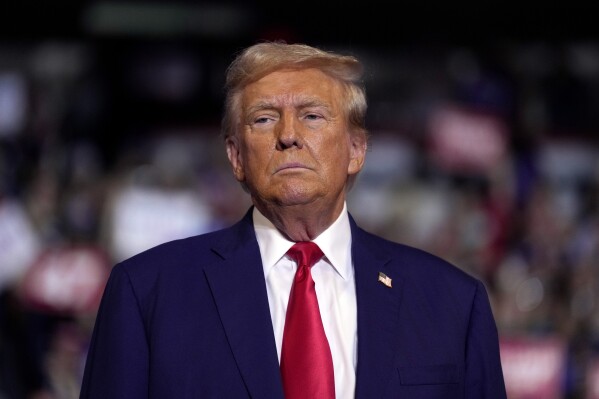
President Trump, whose campaign repeatedly promised superior coverage “at a fraction of the cost,” has remained largely silent on the subsidies’ expiration. In recent remarks, he mused about insurance commercials featuring mascots like Geico’s gecko, asking why similar ads do not promote health plans — a comment seized upon by critics as emblematic of the administration’s detached approach.
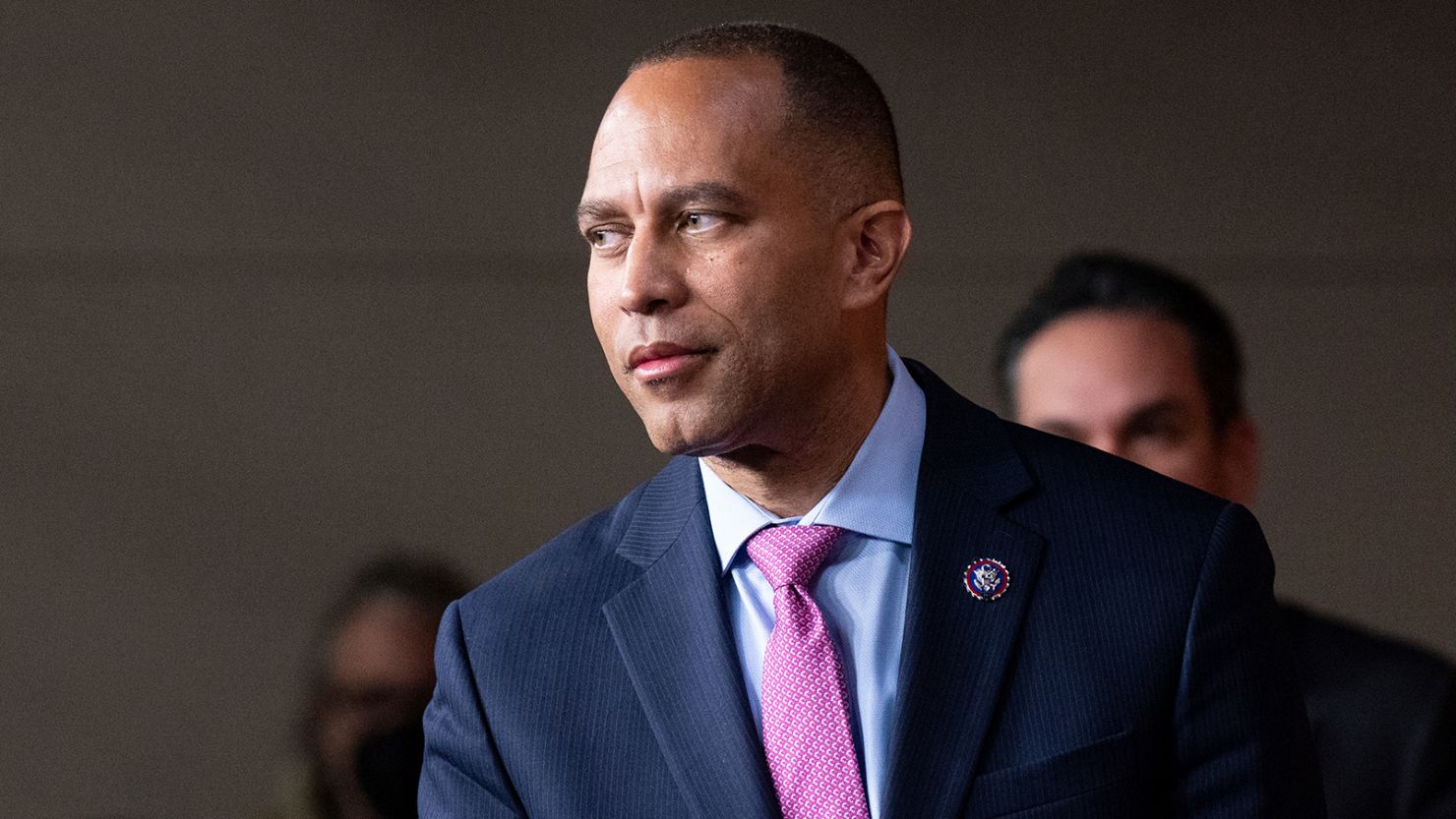
Democrats pounced, framing the lapse as deliberate sabotage. “Republicans had 45 days and chose tax breaks for billionaires over affordable care,” said House Minority Leader Hakeem Jeffries. Progressive lawmakers like Rep. Alexandria Ocasio-Cortez accused the G.O.P. of using immigration rhetoric to distract from “robbing” public programs.
The political calculus is stark for vulnerable Republicans. In districts like Mr. Lawler’s, where Biden performed strongly, rising premiums could mobilize independents and moderates. Analysts note that health care helped Democrats regain the House in 2018 after Republican repeal efforts faltered.
Compounding the challenge, economic indicators have soured under Trump. Unemployment rose to 4.6 percent, with job growth stagnant since spring. Inflation, though moderated, remains a persistent grievance, amplified by tariff-driven price hikes on consumer goods.
Mr. Johnson’s leadership faces scrutiny as he navigates demands from both the party’s right flank and endangered moderates. His refusal to schedule a vote, despite weekend negotiations, underscores the difficulty of unifying a conference pulled between ideological purity and electoral pragmatism.
As premiums prepare to surge in January, the episode risks becoming a defining liability for Republicans, reminiscent of past health care battles that shifted congressional control. With no immediate path to revival, the party braces for a voter backlash that could reshape the 2026 landscape.