WASHINGTON — What began as a bold, image-driven effort to reshape one of the nation’s most storied cultural institutions quickly ran into the immovable architecture of Washington law and politics, as Donald Trump’s apparent push to exert influence over the John F. Kennedy Center for the Performing Arts met swift resistance from lawmakers, legal experts, and the cultural community.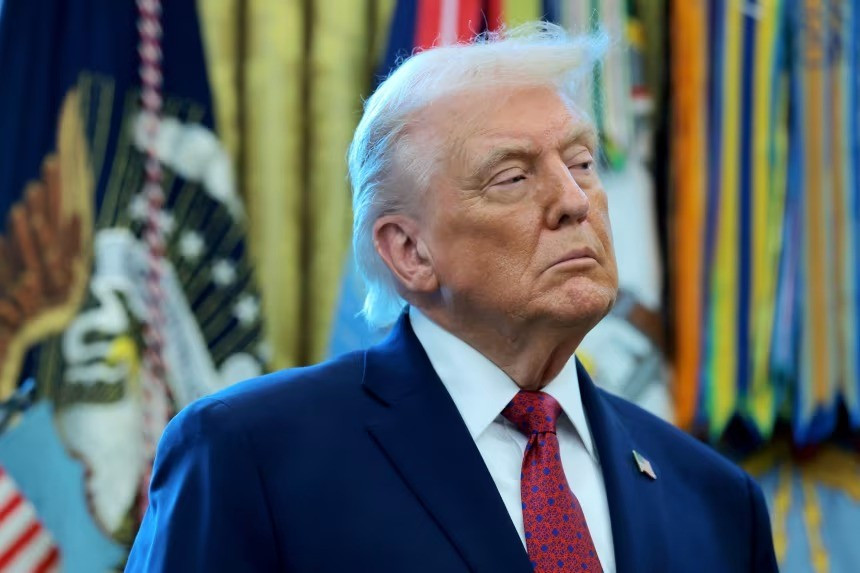
The idea, floated by allies and amplified across conservative media, carried the hallmarks of a familiar Trump strategy: a dramatic rebranding, an assertion of personal authority, and a willingness to challenge long-standing institutional norms. But within hours, what supporters framed as a symbolic reclamation of American culture shows ignited a broader backlash — one that exposed the limits of political power when applied to independent civic institutions.
Critics were quick to note that the Kennedy Center occupies a legally complex space. Though it receives federal funding and has a board that includes political appointees, it is governed by statutes designed to shield it from direct partisan control. Legal scholars said that any attempt to impose sweeping changes or personal oversight would face immediate challenges, both in court and in Congress.
“This is not a campaign rally venue or a branding opportunity,” said a former Senate staff attorney familiar with the center’s governance. “It’s an institution with guardrails, and those guardrails exist precisely to prevent this kind of takeover.”
By late evening, senators from both parties had begun signaling concern. While few addressed the matter directly, aides confirmed that senior lawmakers were reviewing the legal framework governing the Kennedy Center, wary of setting a precedent that could politicize national cultural institutions. Several senators privately described the move as unnecessary provocation, particularly at a moment when Congress is already strained by partisan standoffs.
Online, the reaction was faster and less restrained. Images, clips, and commentary spread rapidly across social platforms, with artists, patrons, and former Kennedy Center honorees expressing disbelief and anger. To many in the arts community, the episode touched a deeper nerve — a fear that cultural spaces are becoming extensions of political branding rather than shared civic ground.
Inside Washington, advisers were reportedly caught off guard by the speed and intensity of the backlash. According to people familiar with internal discussions, there was initial confidence that the move would dominate the news cycle as a show of strength. Instead, it drew scrutiny that shifted the narrative from authority to overreach.

By the next morning, momentum appeared to stall. No formal announcement followed, no detailed plan was released, and allies began softening their language, reframing the episode as a misunderstanding rather than a concrete initiative. The sudden quiet only amplified speculation that legal realities had collided with political ambition.
For Trump, the moment reflects a recurring tension that has defined his political career: the belief that visibility and force of will can overcome institutional constraints. At times, that approach has proved effective. In this case, however, the response underscored how deeply embedded protections can blunt even the most attention-grabbing proposals.
Democrats, meanwhile, saw an opportunity to highlight what they describe as a pattern of treating public institutions as personal projects. While few expect immediate legislative action, aides said the episode is likely to inform future debates about cultural governance and the boundaries between politics and the arts.
As Washington digests the fallout, the Kennedy Center itself remains unchanged, its programming and leadership intact — for now. Yet the episode has left a mark, reopening questions about how vulnerable national institutions are to political spectacle in a hyperconnected era.
What was intended as a dramatic assertion of influence has instead become a case study in resistance — a reminder that even in a city accustomed to disruption, not every stage can be seized, and not every spotlight can be controlled.