Washington — What was billed by lawmakers as a long-awaited step toward transparency has instead ignited a new confrontation between Congress and the executive branch, after the release of documents related to Jeffrey Epstein arrived heavily redacted, prompting outrage from both Republicans and Democrats and escalating threats of legal and political consequences.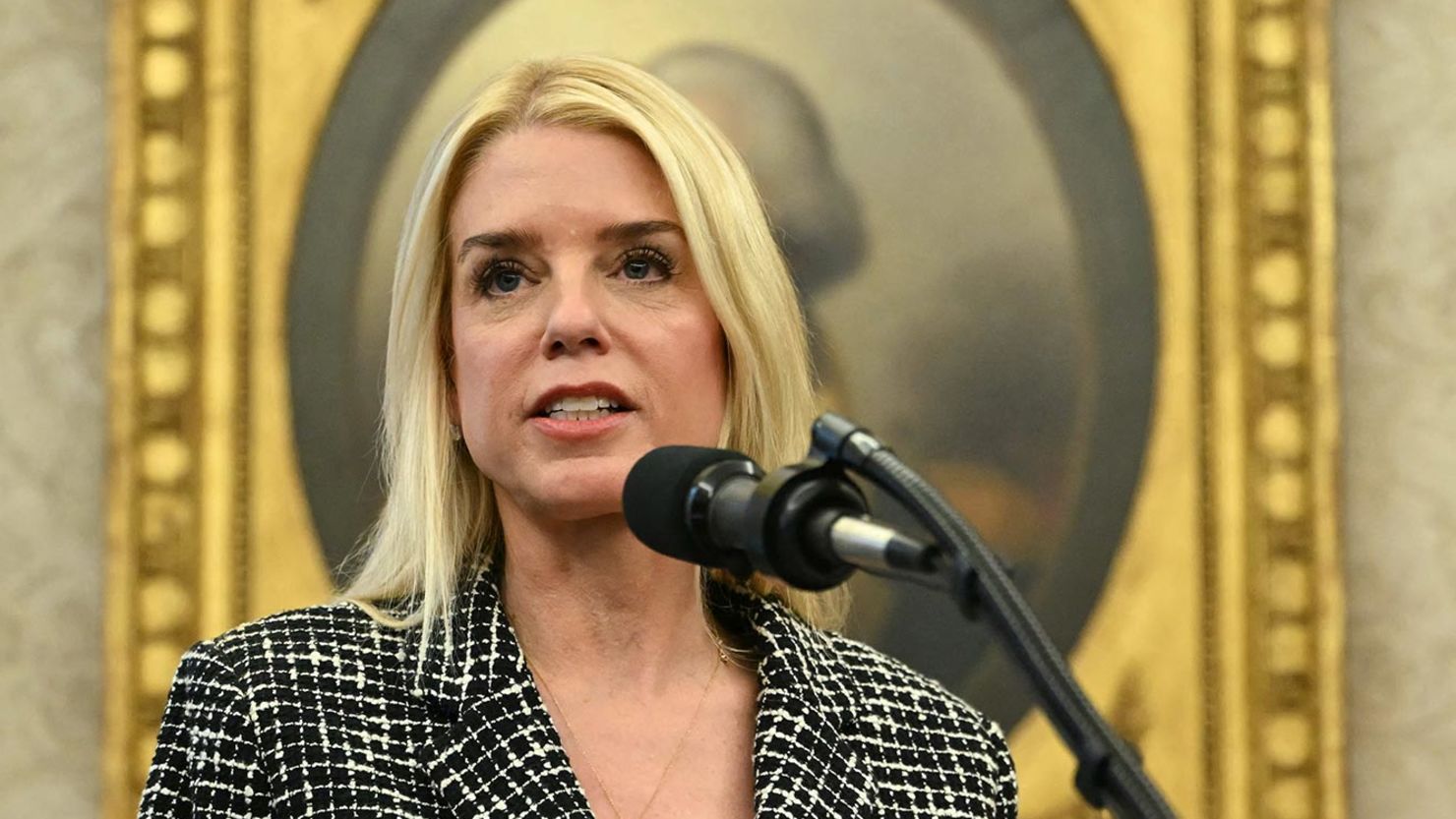
The documents, released by the U.S. Department of Justice, were expected to shed light on Epstein’s network of associates and the government’s handling of investigations into his conduct before his death in federal custody in 2019. Instead, large portions were obscured by black ink, rendering many pages effectively unreadable and immediately raising questions about whether the department had complied with a bipartisan transparency mandate passed by United States Congress.
Within hours of the release, senior lawmakers from both parties publicly criticized the administration’s handling of the disclosure. Several Republican leaders accused the Justice Department of defying the intent—and possibly the letter—of the law, which required the release of non-classified materials related to Epstein’s prosecution and plea agreements.
“This was not transparency,” one senior Republican lawmaker said in an interview, speaking on condition of anonymity to avoid inflaming negotiations. “It was obstruction by redaction.”
Some conservatives went further, openly discussing the possibility of holding Justice Department officials in contempt of Congress. A handful of hard-line members raised the prospect of arrest powers historically available to Congress, though such measures have not been used in decades and would almost certainly provoke a constitutional clash.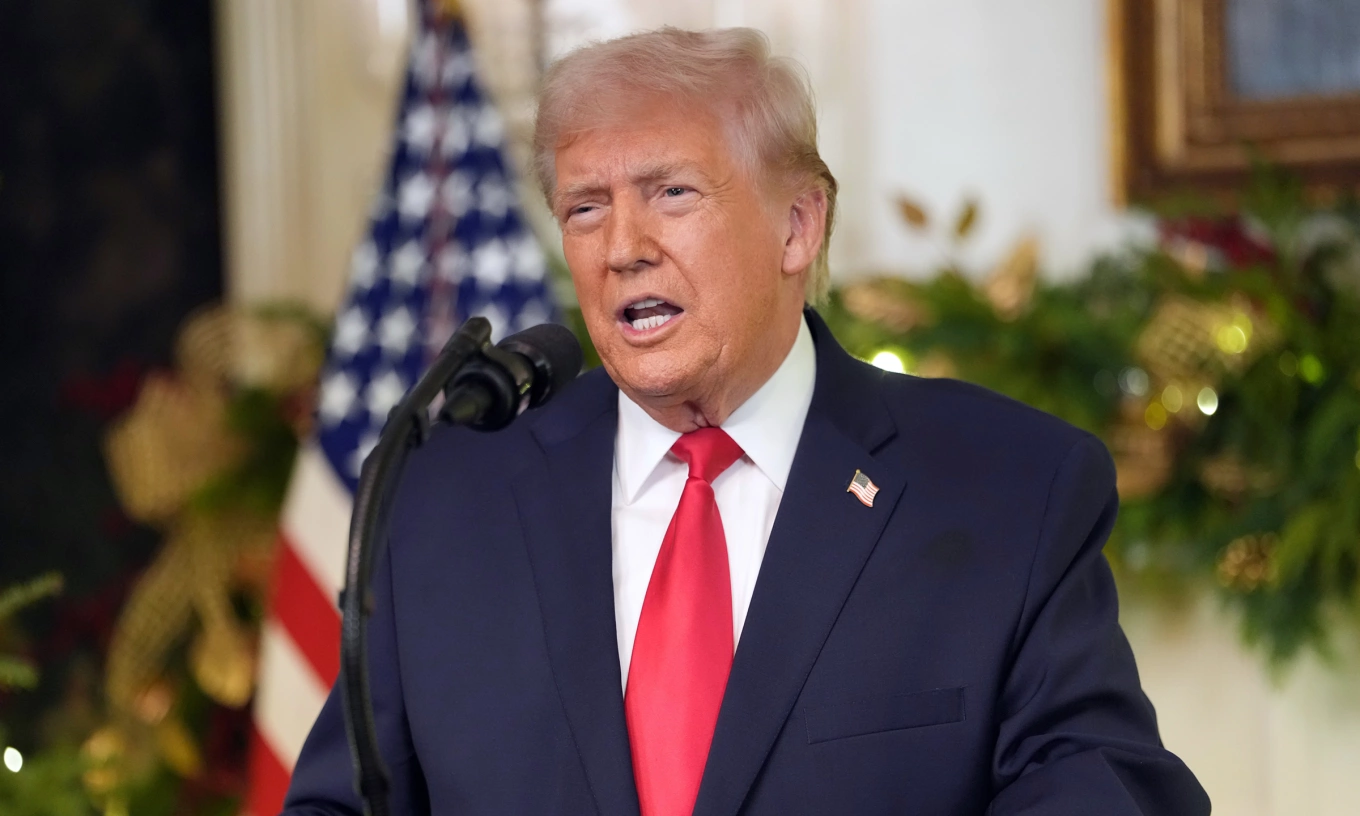
Democrats, while stopping short of endorsing arrest threats, expressed similar frustration. Several noted that victims and the public had been promised clarity after years of secrecy surrounding Epstein’s case. “If the department believes these redactions are justified, they owe the public a clear explanation,” said one Democratic senator. “Right now, there is none.”
Justice Department officials defended the release, arguing that redactions were necessary to protect the privacy of victims, ongoing investigative equities, and individuals who were never charged with crimes. In a statement, the department said it had “fully complied with applicable law” and warned against what it described as “reckless speculation.”
But the explanation has done little to quell skepticism on Capitol Hill. Lawmakers familiar with closed-door briefings said the level of redaction appeared inconsistent with prior assurances from the department that the documents could be released in a meaningful form.
Outside Washington, victim advocacy groups reacted with disappointment and anger. Several organizations said they were already coordinating with independent investigators and journalists to compare the released materials with documents obtained through prior civil litigation. Some advocates suggested that the public had seen only a fraction of what exists.
“The concern is not just what’s blacked out,” said one advocate who represents Epstein survivors. “It’s what hasn’t been released at all.”
The controversy has quickly spilled into broader political territory, with critics linking the episode to larger debates about government accountability, selective transparency, and unequal treatment under the law. On social media, excerpts of the redacted pages circulated widely, fueling conspiracy theories and renewed scrutiny of powerful figures who once moved in Epstein’s orbit.
As pressure mounts, congressional committees are considering additional subpoenas and closed hearings to determine whether the Justice Department improperly withheld information. While impeachment talk remains preliminary, several lawmakers said privately that continued resistance could force Congress to escalate.
For now, both sides appear dug in. The administration insists it has followed the law. Congress says the law has been ignored.
What was meant to close a painful chapter has instead reopened it—this time, with Washington itself under the microscope.