Inside Trump’s White House, Candid Revelations Expose a Presidency Defined by Power, Loyalty and Open Conflict
The latest rupture inside President Trump’s White House unfolded not with a single dramatic announcement, but through a slow accumulation of remarks, leaks and unusually candid reflections that together offered a rare view into an administration under strain. By the time speculation about Vice President JD Vance’s standing began ricocheting across television panels and social media feeds, the broader story was already clear: this is a governing operation wrestling openly with questions of power, loyalty and control in a second Trump term that looks increasingly combustible.
The immediate catalyst was a Vanity Fair interview with Susie Wiles, the president’s chief of staff, whose comments stunned even veteran Washington observers. Wiles, typically known for operating quietly behind the scenes, described a White House marked by intense internal debate, frequent disagreement and a president who, in her words, believes there is little he cannot do. Her analogy — comparing Trump’s governing style to an “alcoholic personality,” defined by a sense of invincibility rather than substance use — quickly exploded online, becoming a flashpoint in the already polarized conversation about the administration’s direction.
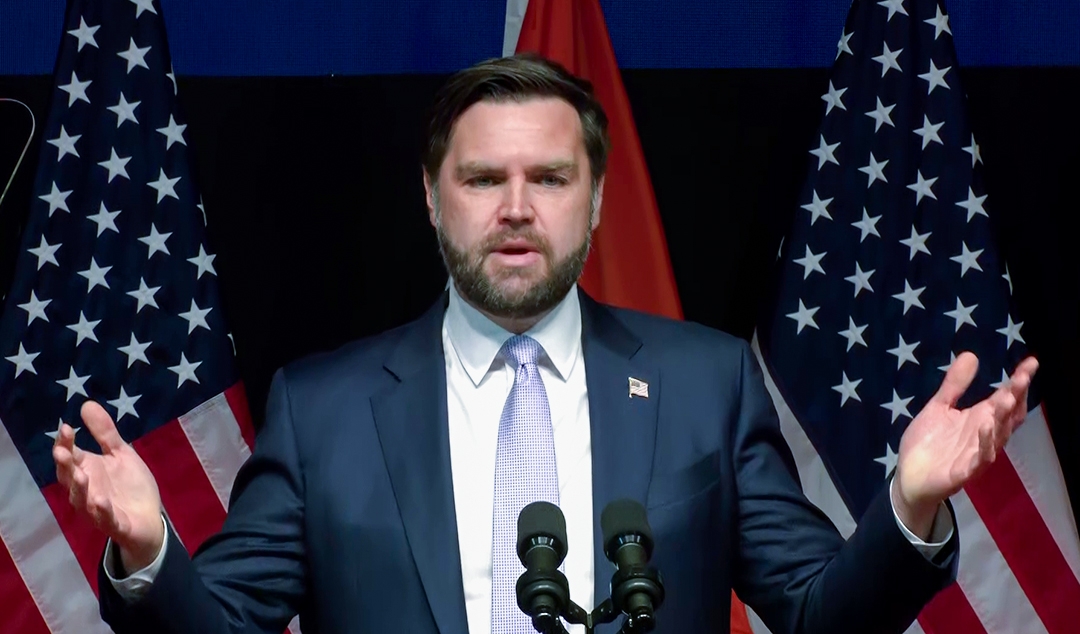
From there, attention shifted to Vice President Vance, long viewed as both a loyal ally and an ideological wildcard. Wiles suggested that Vance’s political evolution — from a onetime critic of Trump to one of his most visible defenders — was less philosophical than tactical. She went further, labeling him a longtime conspiracy theorist, a remark that insiders say reverberated sharply inside the West Wing. While the White House has not confirmed any formal rupture, the suggestion of deep mistrust between the president’s inner circle and his vice president has fueled relentless speculation about a possible sidelining or worse.
The interview also reopened unresolved controversies. Wiles acknowledged internal disagreement over the mass pardons related to the January 6 Capitol riot, conceding that she initially opposed extending clemency to those convicted of violent offenses. She described urging the president to pause what she called “score settling” in the early months of the term, a proposal she says Trump briefly accepted before abandoning. On immigration, she characterized the deportation of U.S. citizen children — including one undergoing cancer treatment — as a mistake by an overzealous agent, a statement that drew swift criticism from advocates and prompted renewed scrutiny of enforcement practices.
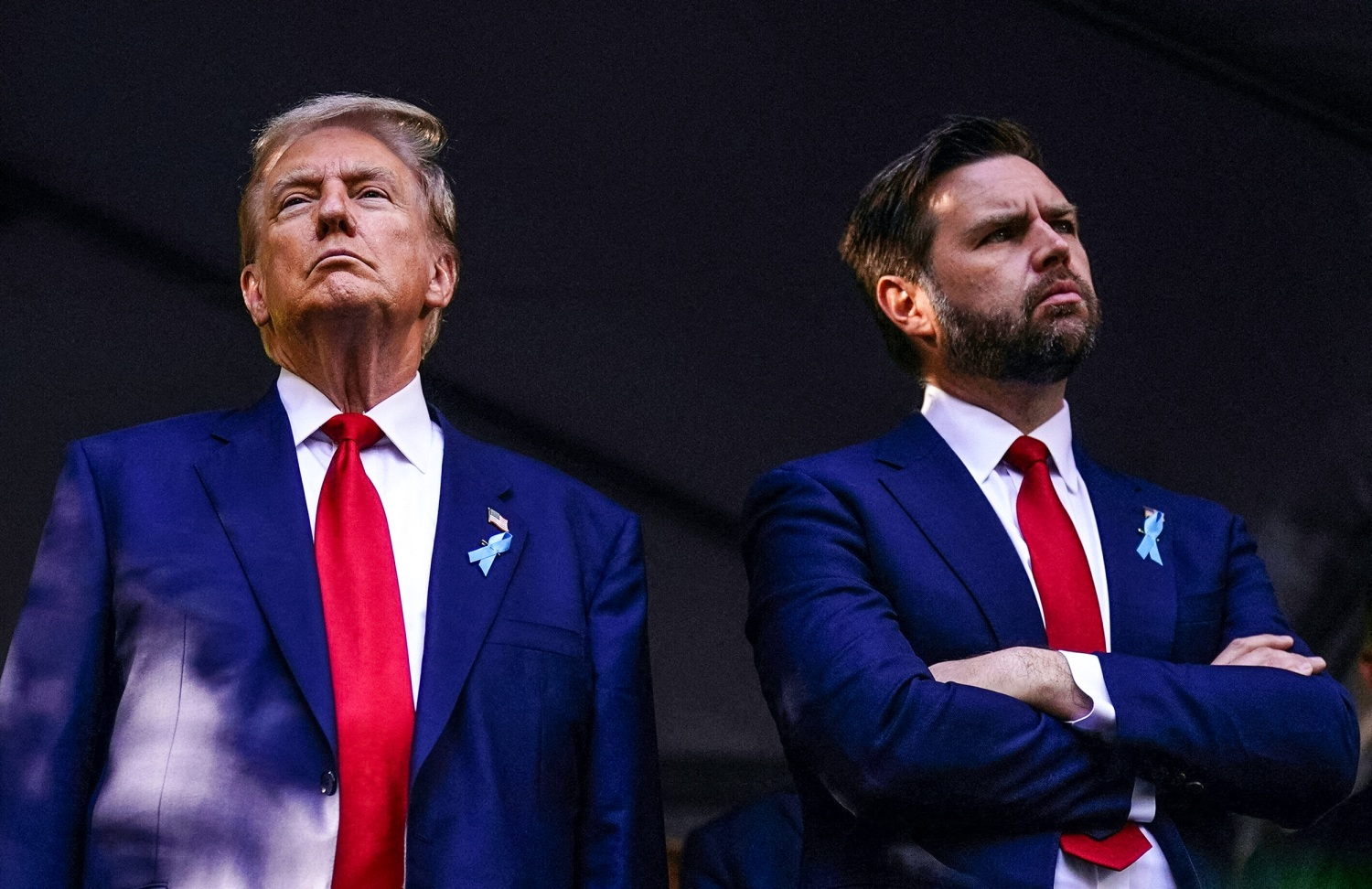
Behind the scenes, current and former officials describe a White House where authority is diffuse and accountability often unclear. Decisions, they say, are frequently made through informal channels, with senior aides sometimes learning of consequential moves only after they have been announced or leaked. One episode cited repeatedly by critics involves the transfer of convicted sex trafficker Ghislaine Maxwell to a lower-security facility, a decision Wiles said she did not know who authorized. For many observers, that admission underscored a central question now hanging over the administration: who, exactly, is in charge of what?
Foreign policy tensions have added to the sense of volatility. Wiles acknowledged that regime change in Venezuela remains an objective under discussion, while also conceding that congressional authorization would be required for military escalation — a statement that effectively raised the political stakes should the president pursue more aggressive action. Analysts noted that such candor, while unusual, also boxed the administration in, limiting its flexibility while amplifying internal disagreements.
Public reaction has been swift and unforgiving. Supporters of the president argue that the interview merely confirms Trump’s decisive leadership style and exposes aides unwilling to fully commit to his agenda. Critics see something darker: a pattern of impulsive decision-making, internal chaos and a governing philosophy that places personal loyalty above institutional guardrails. On cable news and online, the drama has taken on a near-entertainment quality, with clips looping endlessly and hashtags trending across platforms.
What makes this moment particularly striking is not a single policy dispute or personnel shake-up, but the accumulation of revelations from someone positioned at the very center of power. Wiles appears to see her role not as restraining the president, as former chief of staff John Kelly once attempted, but as facilitating his instincts — even when she privately disagrees. That distinction, subtle as it may seem, has profound implications for how this White House functions and how conflicts like the one surrounding Vance play out.
Whether the current turmoil results in a formal break or simply becomes another chapter in an already turbulent presidency remains uncertain. What is clear is that the boundaries between governance, spectacle and internal warfare have rarely seemed so thin. As insiders whisper about the next leak and allies brace for the next public rupture, one thing is certain: the story is still unfolding, and Washington — along with a captivated internet — is watching closely.