WASHINGTON — What began as a late-night social media post by Donald Trump has escalated into a widening political controversy, drawing condemnation from veterans’ groups, alarm from political analysts, and an uneasy silence from some Republican leaders as the fallout continues to ripple through Washington.
The post, published on Trump’s Truth Social platform, referenced the killing of filmmaker Rob Reiner, a longtime critic of the former president. Trump used the moment to reiterate past grievances, portraying Reiner as part of what he has repeatedly called a “Russia hoax” conspiracy and dismissing him in personal terms. Within hours, screenshots of the post spread rapidly across social media, igniting outrage that extended well beyond Trump’s usual critics.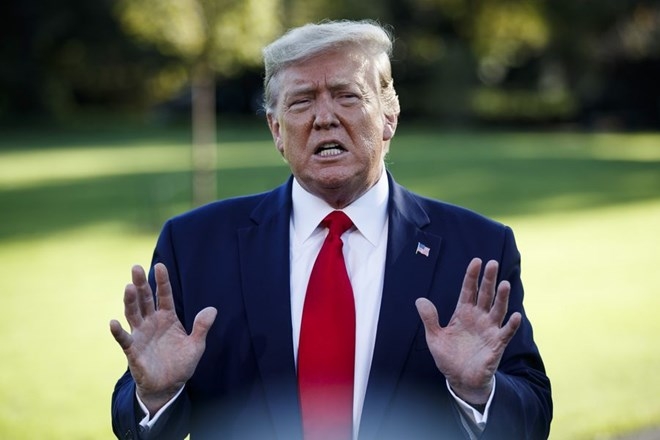
Veterans’ organizations were among the first to respond publicly. Several former service members and advocacy leaders argued that the language used in the post amounted to an implicit endorsement of political violence, or at minimum, a dangerous normalization of it. Chris Goldsmith, an Army combat veteran and founder of Veterans Fighting Fascism, said in an interview that such rhetoric fits a broader pattern of what experts describe as “stochastic terrorism” — the use of public messaging to inspire violence without issuing explicit commands.
“What makes this moment different,” Goldsmith said, “is not just the cruelty of the words, but the context — a public figure responding to a killing with language that appears to reward hostility rather than condemn it.”
Inside Washington, the reaction was described by aides and observers as tense and unsettled. According to people familiar with internal discussions, some Republican staff members privately expressed concern about the optics of the post and the speed with which it was spreading online. Several prominent Republicans declined to comment publicly when approached by reporters, including House Speaker Mike Johnson, who was seen moving quickly past journalists asking whether he condemned the remarks.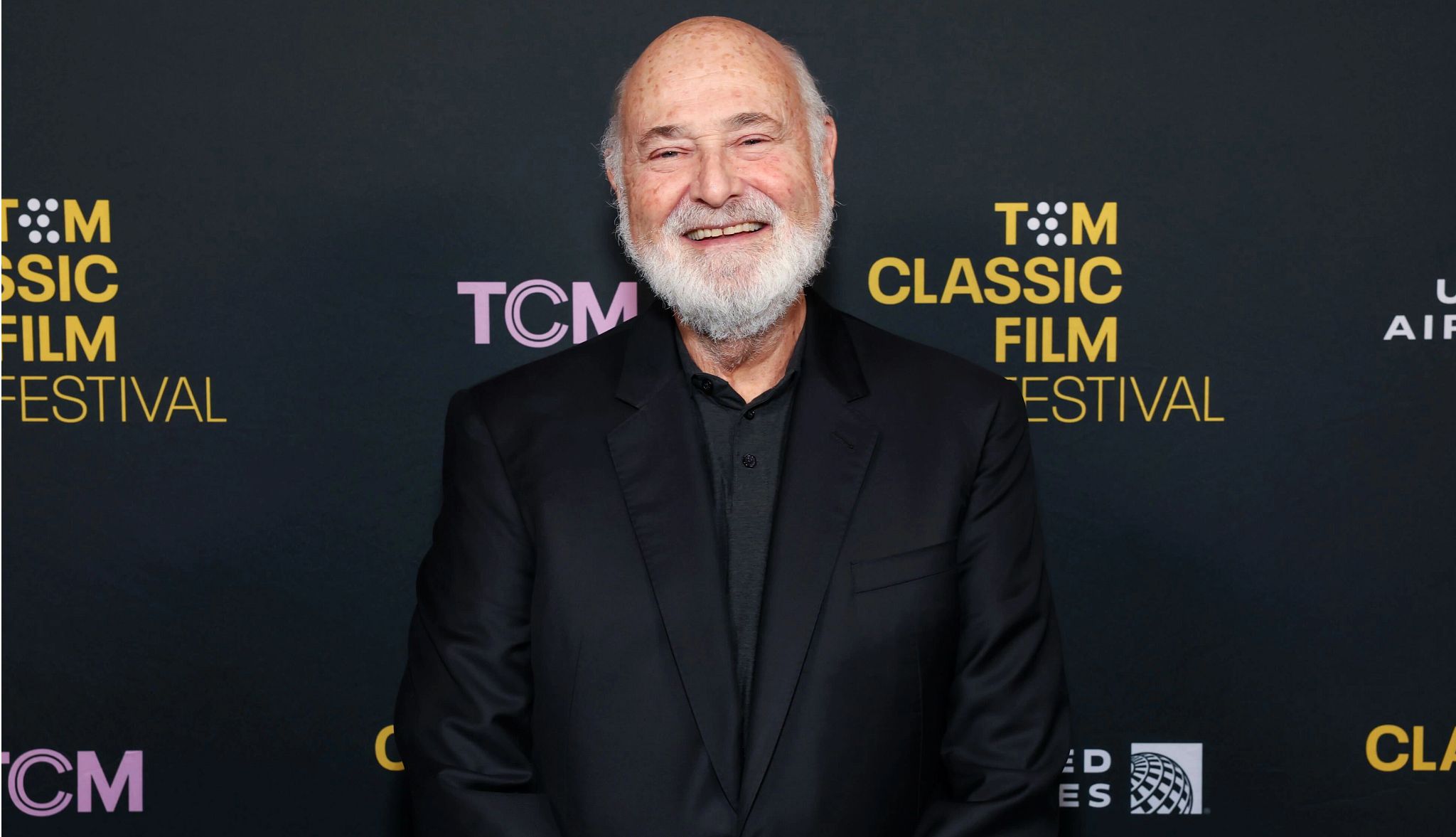
That silence has drawn criticism from Democrats and some independents, who argue that the refusal to address the post reflects a broader unwillingness within the party to confront Trump’s rhetoric directly. “This is not about policy disagreements,” one Democratic strategist said. “It’s about whether there are any remaining boundaries.”
The controversy has also reignited a long-running debate about Trump’s influence on political discourse and public behavior. Scholars who study extremism note that while Trump often avoids explicit calls for violence, his language frequently frames opponents as enemies deserving punishment — a tactic historically used by authoritarian leaders to mobilize loyal supporters.
Despite the intensity of the backlash, there is little evidence so far that the episode has shifted Trump’s core base of support. Polling data has not yet reflected a measurable decline, and some conservative commentators have attempted to minimize the incident as another example of media overreaction. Still, analysts say the unusually broad condemnation — including from veterans and some conservative media figures — suggests the episode may resonate beyond the typical partisan divide.
Online, clips discussing the post and its aftermath have continued to trend across platforms, accumulating millions of views. Commentators on both sides of the political spectrum have noted the speed with which the story spread, describing it as one of the most widely shared controversies involving Trump in recent months.
As of Friday evening, Trump had not issued any clarification or retraction. Allies close to him said he views the criticism as politically motivated and sees no reason to change course.
Whether the controversy fades or becomes another defining moment in an already volatile political season remains uncertain. For now, the episode has underscored how a single post — published in minutes — can once again dominate the national conversation, leaving Washington grappling with the consequences long after the screen goes dark.