Ottawa — Recent U.S. tariff measures affecting certain Canadian imports have elicited a measured but firm response from Canadian authorities, including the initiation of formal dispute settlement procedures under Chapter 31 of the United States-Mexico-Canada Agreement (USMCA), as both governments address evolving economic priorities within their deeply interconnected bilateral framework.

The United States and Canada sustain one of the most extensive and integrated trading relationships worldwide, with annual bilateral goods and services trade surpassing $1 trillion. This partnership supports millions of jobs across sectors such as energy, automotive manufacturing, critical minerals extraction and processing, agriculture, and advanced manufacturing, where tightly linked supply chains enable efficiency, competitiveness, and mutual economic gains.
Trade dynamics between the two neighbors have evolved since early 2025, influenced by U.S. policy shifts aimed at addressing perceived imbalances, promoting domestic industrial capacity, and enhancing national security considerations. Initial broad tariff applications under certain authorities faced legal challenges, culminating in a February 2026 U.S. Supreme Court decision that invalidated specific measures imposed via the International Emergency Economic Powers Act. In response, the U.S. administration transitioned to alternative tools, including a temporary global import surcharge under Section 122 of the Trade Act of 1974, while maintaining sector-specific duties on items like steel, aluminum, automobiles, and related products. Goods qualifying under USMCA rules have generally remained exempt from the broadest surcharges, preserving a significant portion of cross-border commerce.
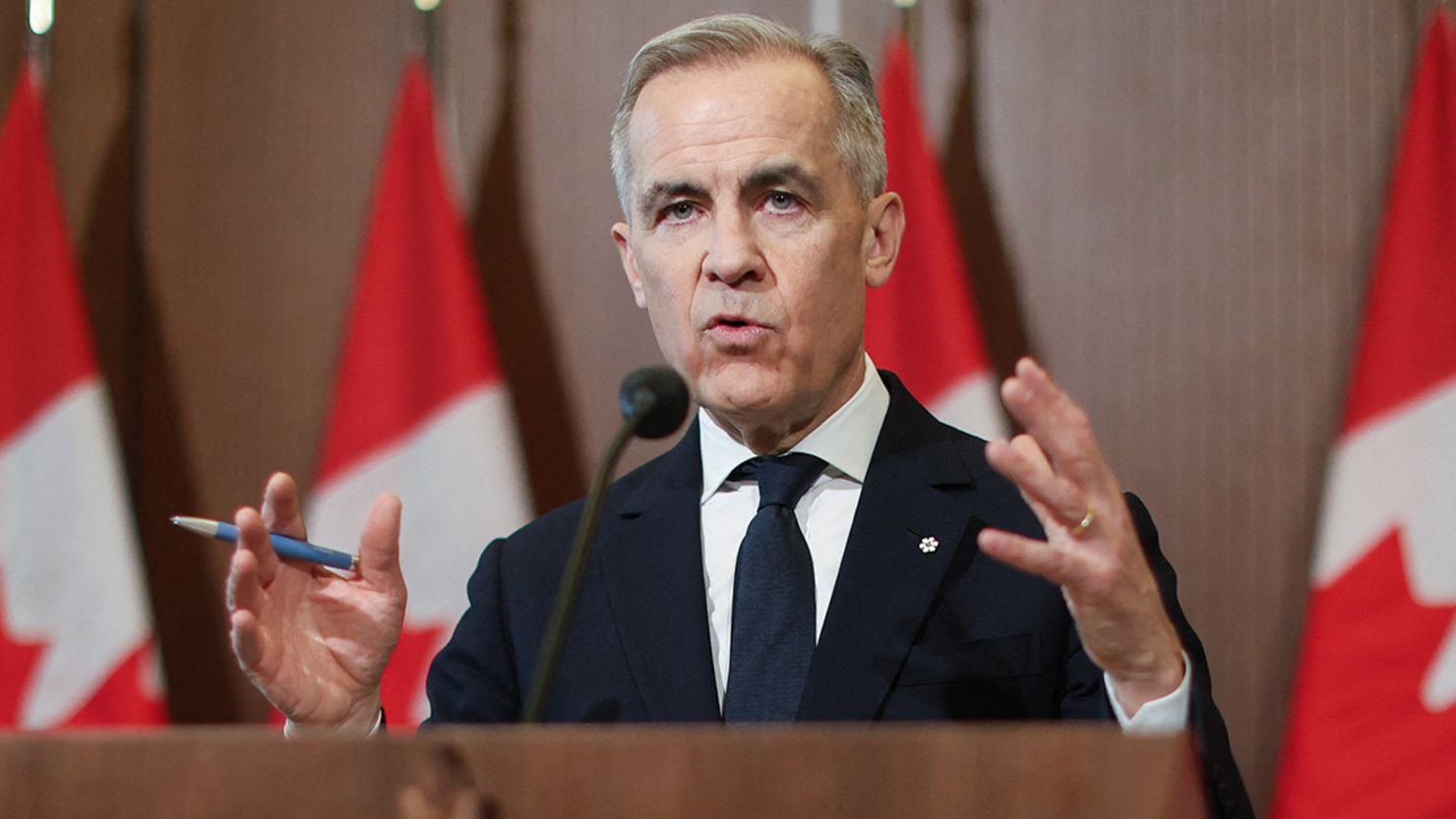
In late February 2026, heightened public statements and policy positions sharpened the dialogue. U.S. officials, including the Trade Representative, outlined conditions for potential tariff adjustments linked to reciprocal market access improvements and measures supporting domestic employment in key industries. Canadian Prime Minister Mark Carney’s administration responded promptly, announcing targeted reciprocal duties on select U.S. consumer products, alongside a formal review of export permitting processes for critical minerals vital to U.S. defense, technology, and clean energy sectors. Ottawa simultaneously launched proceedings under USMCA Chapter 31—the state-to-state dispute settlement chapter—to assess the compatibility of recent U.S. actions with the agreement’s obligations on tariff treatment, non-discrimination, and rules-based trade.
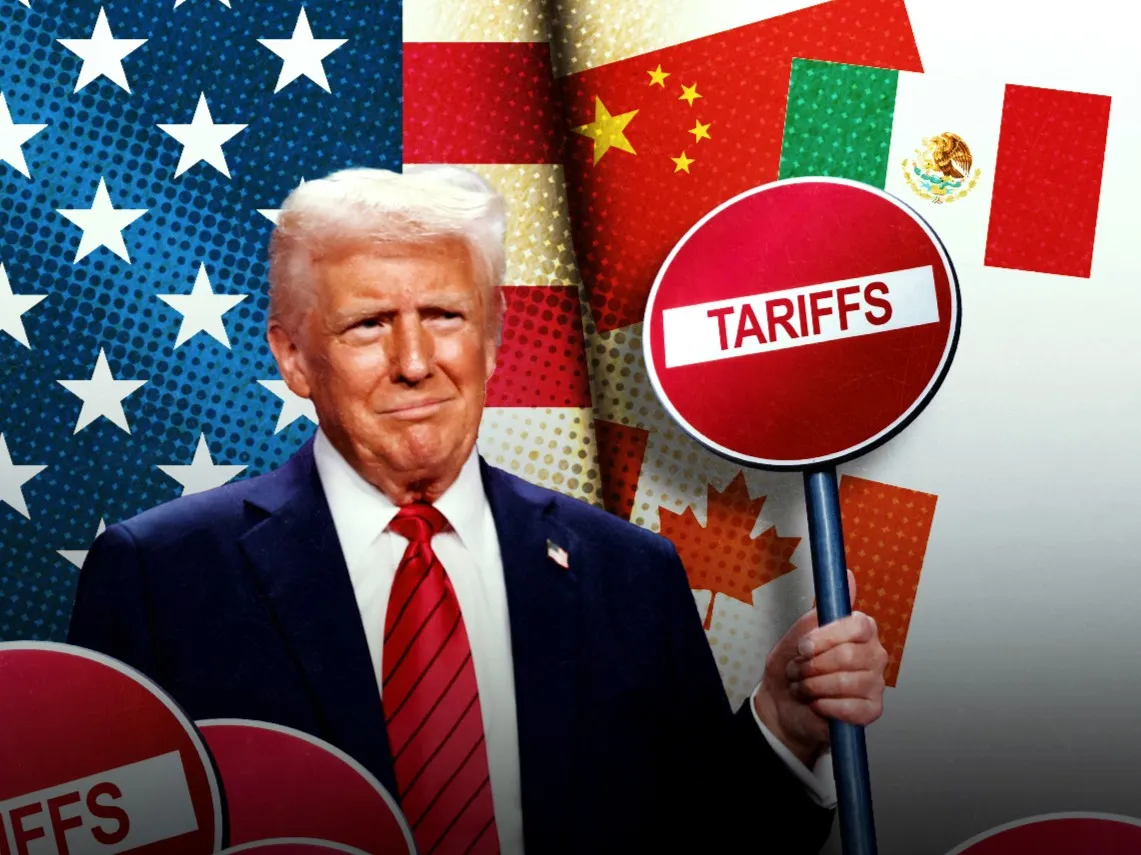
U.S. priorities center on bolstering domestic manufacturing, narrowing trade deficits in select categories, and strengthening negotiating positions ahead of the mandatory USMCA joint review set for July 2026. Officials have described these steps as tools to achieve fairer reciprocity, protect strategic industries, and align trade flows with broader economic and security goals, without seeking to disrupt compliant bilateral exchanges.
Canada’s posture emphasizes adherence to treaty commitments while pursuing greater economic flexibility. Prime Minister Carney has articulated targets to substantially increase non-U.S. exports over the coming decade, building on existing diversification initiatives. Recent high-level engagements with partners in Asia—including significant agreements with China on agricultural commodities, India on energy and uranium supplies, and planned missions to Japan and Australia—alongside deepened European Union ties, illustrate efforts to cultivate alternative markets and reduce vulnerability to single-market fluctuations.
Adjustments in tariff structures introduce cost pressures along integrated North American value chains, particularly in sectors dependent on just-in-time delivery and cross-border components. Equity markets have shown periodic volatility for companies with heavy bilateral exposure, while select consumer and producer prices face upward adjustments from duties. Critical minerals represent a notable area of leverage: Canada’s substantial reserves in lithium, nickel, cobalt, and rare earth elements position it as a key supplier for U.S. battery production, electric vehicles, and defense applications. Any permitting review or export constraints could introduce short-term uncertainties for downstream U.S. industries, even as broader cooperation on responsible sourcing remains a shared interest.
Energy exchanges form a cornerstone of the relationship, with Canada providing large volumes of crude oil, natural gas, electricity, and refined products to U.S. markets, often under favorable terms embedded in existing arrangements. Diversification strategies could gradually redirect portions of these resources toward emerging global demand centers, supporting supply reliability worldwide while channeling investments into renewable infrastructure, hydrogen, and carbon management technologies. Collaborative opportunities in clean energy transitions—including joint standards, technology sharing, and infrastructure projects—offer avenues to mitigate frictions and enhance long-term resilience.
The current bilateral adjustments occur amid wider global trade realignments, where mid-sized economies increasingly seek diversified partnerships to navigate policy uncertainties. Canada’s outreach aligns with patterns observed among other nations pursuing complementary growth corridors while preserving core regional ties. The impending USMCA review provides a structured forum for addressing accumulated issues, potentially reinforcing the agreement’s role in promoting predictability, investment, and shared prosperity across North America.
As discussions progress through formal channels and the July 2026 review horizon, sustained engagement will be essential to balancing protective measures with the preservation of efficient, mutually advantageous trade. The ability of both sides to manage these dynamics constructively will influence not only bilateral economic outcomes but also the broader framework for rules-based commerce in an interconnected global environment, underscoring the value of adaptive cooperation in sustaining North American competitiveness and stability.