The scene was supposed to be familiar, even comfortable: a town hall in Alabama, a state long regarded as reliably aligned with Donald Trump and the MAGA movement. Instead, what unfolded surprised even seasoned political operatives. Boos echoed through the room. Questions grew sharper. And for a moment that quickly spread across social media, the assumption that Alabama voters remain uniformly loyal to Trump-style politics appeared to crack.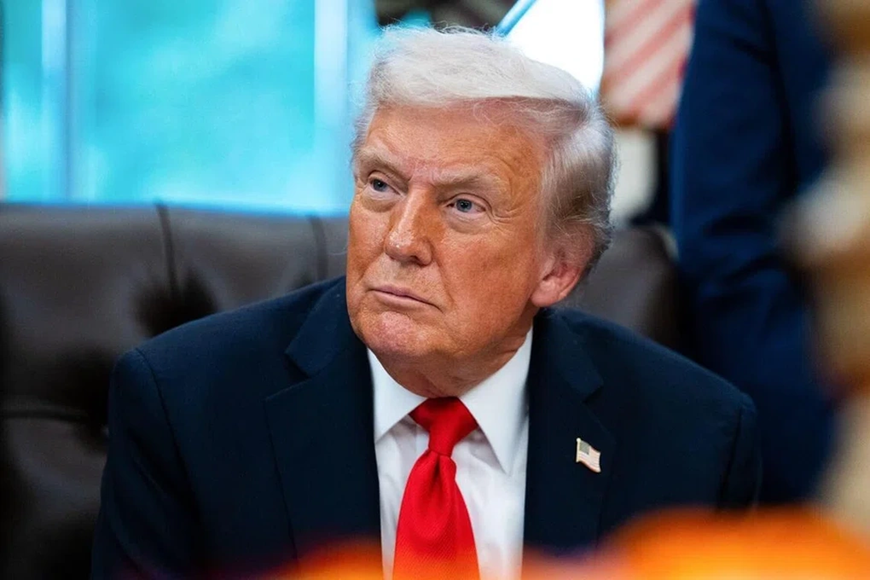
Videos from the event, now widely circulating online, show a tense exchange between voters and a Trump-aligned official who had expected a friendly audience. Rather than applause, the speaker was met with pointed questions about inflation, healthcare costs, and what several attendees described as “constant chaos” in national politics. Interruptions followed. The mood shifted. What began as a routine stop on a political calendar became something far more revealing.
Alabama has long been considered safe ground for Republican candidates and particularly fertile territory for Mr. Trump’s populist message. In recent elections, he carried the state by overwhelming margins, and MAGA loyalists have often treated public appearances there as low-risk affairs. This town hall challenged that assumption.
According to people familiar with the planning, organizers expected a supportive crowd. Instead, frustration that had been quietly building among voters spilled into the open. Several attendees demanded to know why their everyday financial pressures seemed disconnected from the priorities of national political figures. Others questioned whether constant cultural battles were doing anything to improve local schools, hospitals, or job prospects.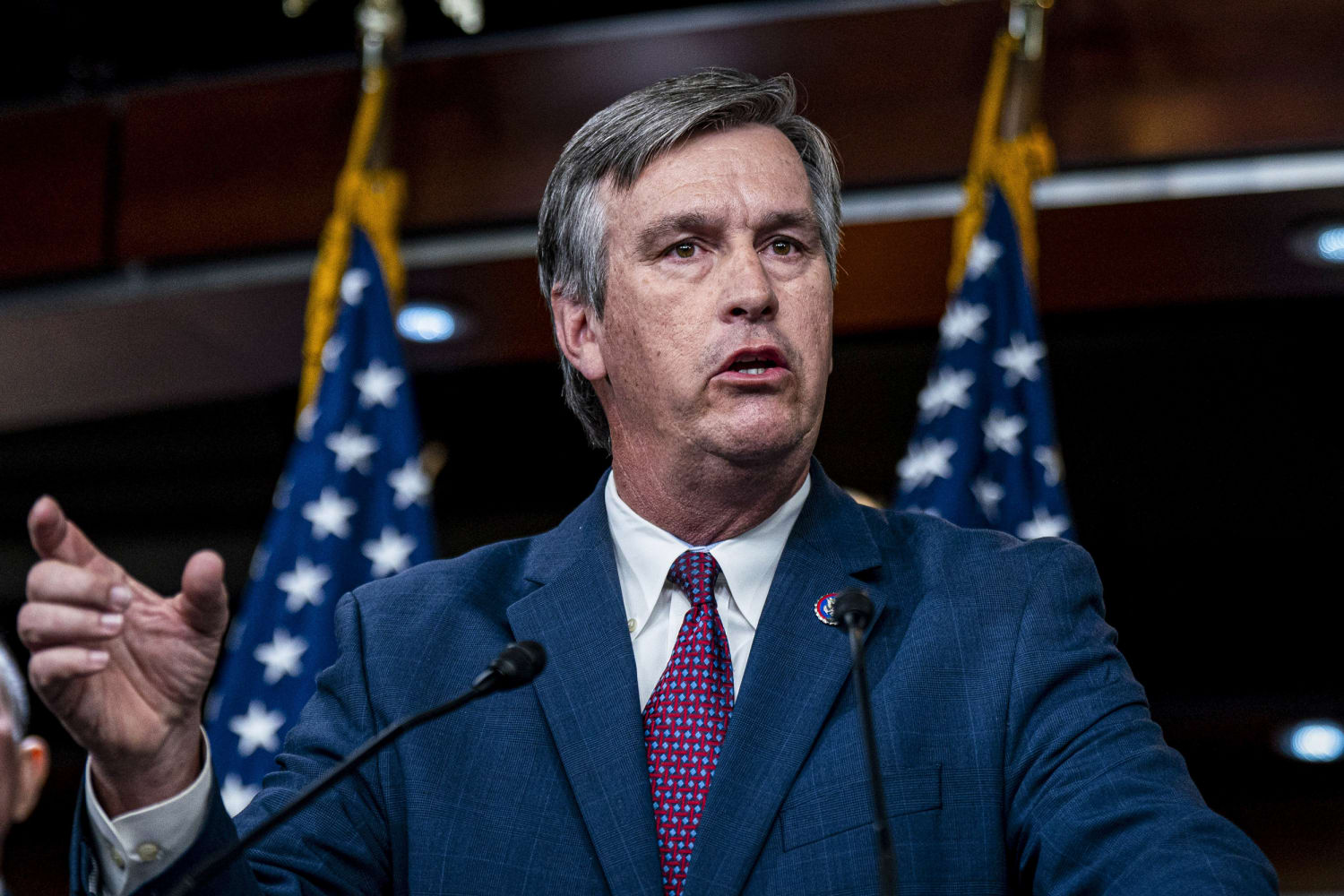
One exchange, captured in a clip that has been viewed millions of times, showed a voter asking bluntly whether unwavering loyalty to Mr. Trump was “actually fixing anything.” The question drew loud applause — and visible discomfort on stage.
Political analysts caution against reading too much into a single event. Alabama remains deeply conservative, and Mr. Trump retains strong support across much of the state. Yet the symbolism of public dissent in such a setting has not gone unnoticed. “It’s not that Alabama has suddenly turned blue,” said one Southern-based strategist. “It’s that voters who were once silent are now willing to voice frustration out loud.”
Behind the scenes, Republican strategists are said to be paying close attention. Internal discussions following the town hall have focused less on optics and more on substance. Rising prices, insurance costs, and economic insecurity are increasingly dominating voter concerns, even in states where cultural alignment with the Republican Party remains strong.
For some voters, loyalty to Trump-era rhetoric appears to be colliding with lived reality. “I voted Republican my whole life,” said one attendee interviewed afterward. “But I want answers, not slogans.” Similar sentiments were echoed across social media, where commenters emphasized that questioning leadership should not be mistaken for betrayal.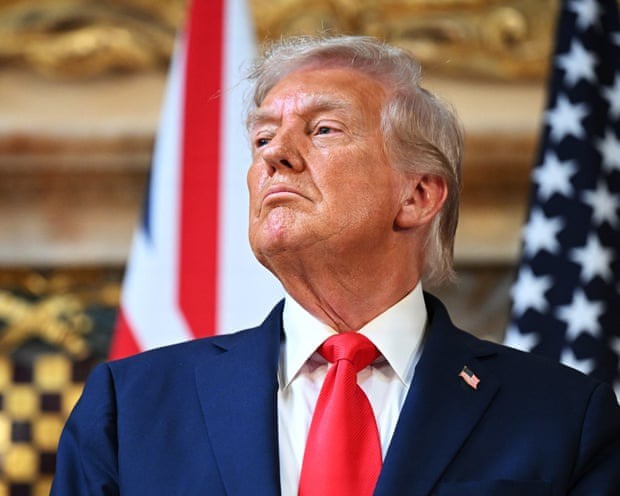
Democrats, meanwhile, have been quick to amplify the moment, framing it as evidence that Trump’s grip on his base may be loosening at the edges. Still, party leaders privately acknowledge that frustration does not automatically translate into votes for the opposition. Many disaffected conservatives are not looking to switch parties so much as demanding a different tone and focus from within their own.
The moment also highlights a broader national dynamic. Across the country, town halls and campaign events are becoming less predictable, as voters grow more willing to confront politicians directly. The performative politics of recent years, once rewarded with enthusiastic crowds, now risks backlash when economic anxiety dominates daily life.
Whether this Alabama town hall marks the beginning of a wider shift or remains an isolated flare-up is still uncertain. But for Republicans who have long treated the state as unshakable ground, the message was clear enough to prompt quiet reassessment.
As one longtime party operative put it, “When even Alabama stops clapping on cue, it’s worth asking why.”