TRUMP BLINDSIDED AS CANADA’S €150B EU DEFENSE DEAL BLOCKS U.S. OUT OF NATO CONTRACTS — CANADA’S STRATEGIC REALIGNMENT 🇨🇦⚡
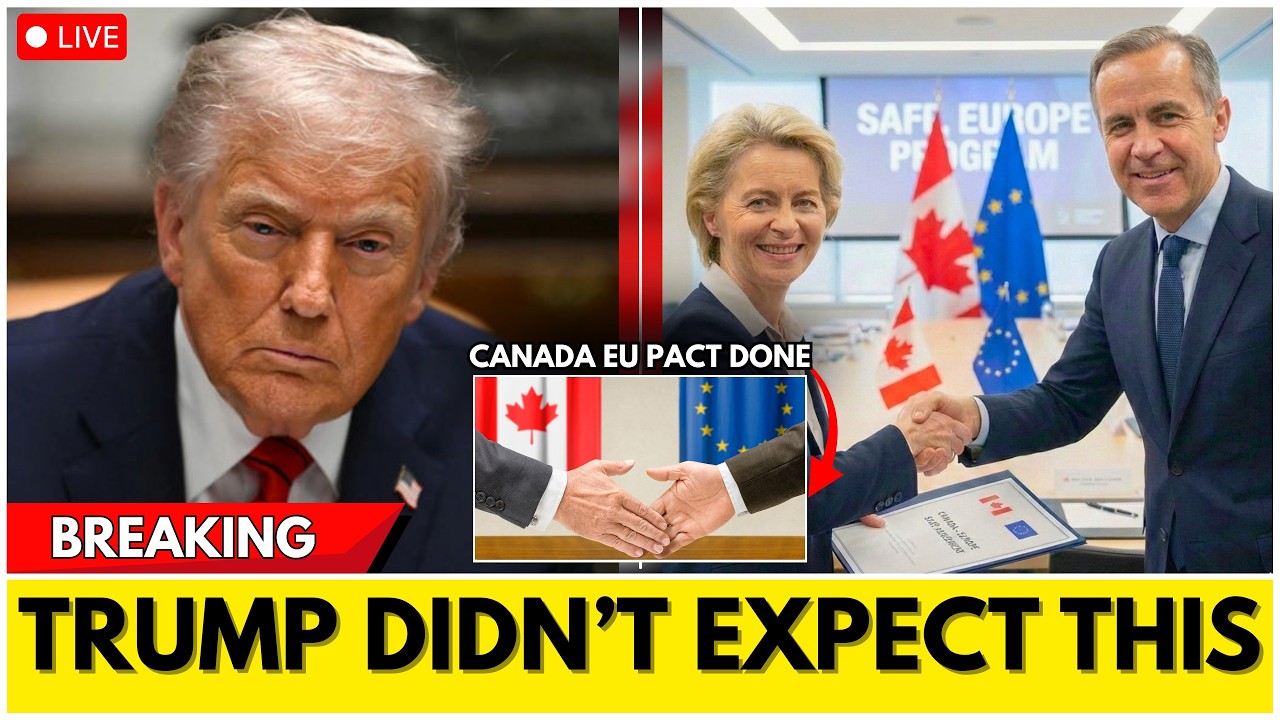
Canada’s Historic Entry into Europe’s €150 Billion SAFE Program
Canada has officially joined the European Union’s Security Action for Europe (SAFE) program. This €150 billion initiative provides low-interest loans for defense investments.
The agreement was finalized following negotiations concluded in late 2025. It was signed in early 2026 during key European meetings.
Canada becomes the first non-European nation to participate fully in SAFE. This status grants Canadian companies preferential access to procurement opportunities.
Background of the Security Action for Europe Initiative
SAFE forms a core pillar of the EU’s Readiness 2030 plan. It aims to strengthen Europe’s defense industrial base amid global security challenges.
The program mobilizes €150 billion in financing for joint procurement. It focuses on priority capabilities like ammunition, missiles, submarines, and cyber systems.
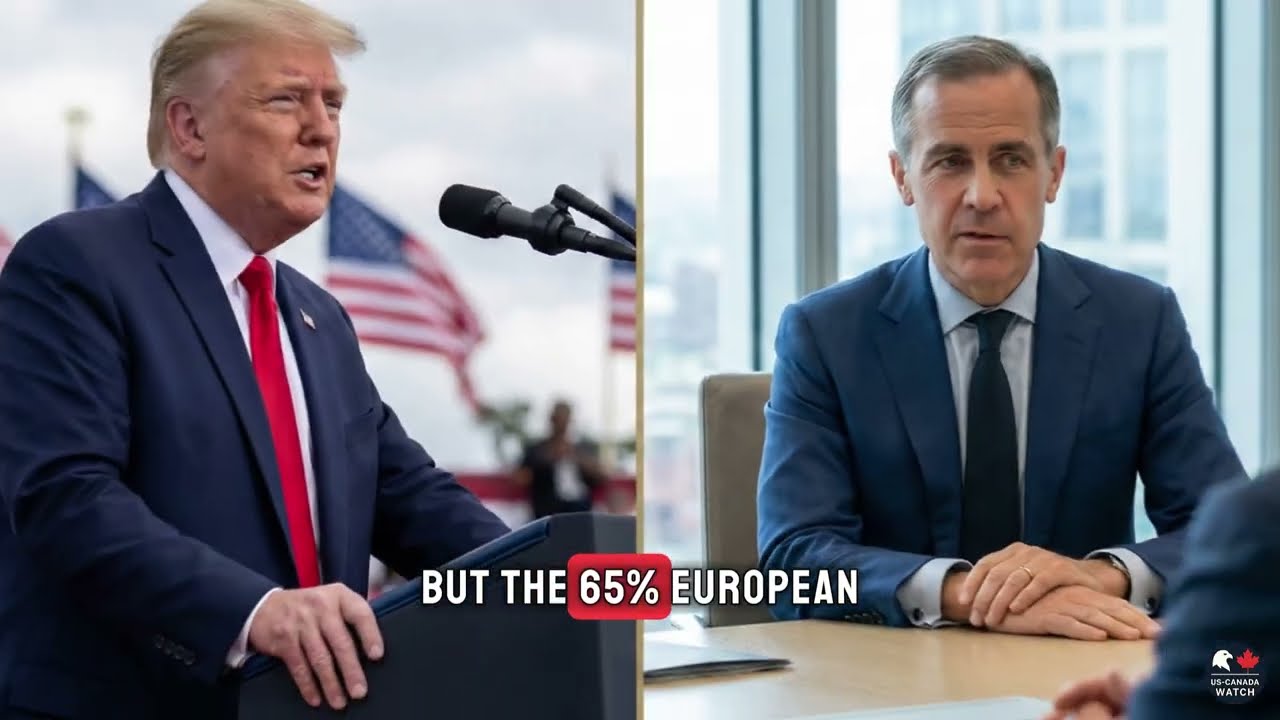
At least 65% of components must originate within Europe under standard rules. This promotes local manufacturing and reduces external dependencies.
SAFE supports coordinated rearmament across EU member states. It addresses vulnerabilities exposed by recent geopolitical events.
How Canada Secured Its Unique Position
Negotiations for Canada’s participation began after a broader Security and Defence Partnership signed in June 2025. Prime Minister Mark Carney advanced these ties during EU summits.
The bilateral agreement with the EU was endorsed by member states in December 2025. Formal steps culminated in signing around February 2026.
Canada committed a relatively modest entry contribution. Reports indicate around €10 million total for enhanced access terms.
This allows exemptions or flexibility on content rules for Canadian firms. Canadian products can compete more effectively in SAFE-funded projects.
Implications for Defense Procurement and Industry
Canadian defense companies gain opportunities to bid on joint European contracts. This includes collaboration on next-generation systems.
The move supports Canada’s Canadian Patrol Submarine Project. It opens pathways for cooperation with French and German submarine developers.
Future acquisitions could leverage economies of scale through joint procurement. Technology transfer becomes more accessible under the framework.
Canadian industry benefits from expanded export markets in Europe. This fosters new partnerships and industrial growth domestically.
Shifting Dynamics Within NATO
SAFE enables greater European defense autonomy. It reduces reliance on single external suppliers for critical equipment.
Canada’s involvement adds a transatlantic dimension to this European effort. It demonstrates diversification within alliance commitments.
NATO interoperability remains essential for Canada. The country continues joint operations and existing agreements like NORAD.
Analysts note this realignment promotes a more balanced alliance structure. It encourages capability development across members.
Broader Geopolitical Context
The agreement emerges amid evolving transatlantic relations. Discussions highlight efforts to diversify defense partnerships.
Canada pursues strategic options to enhance resilience. This includes building alternative supply chains and financing mechanisms.
European leaders view Canada’s participation positively. It strengthens shared security goals and collective readiness.
Prime Minister Carney has emphasized deepening ties for mutual benefit. Defense Minister David McGuinty highlighted progress at recent conferences.
Economic and Strategic Outcomes
Billions in potential procurement could shift over time. This affects long-term defense spending patterns for Canada.
European manufacturers stand to gain from expanded collaboration. Canadian expertise in areas like Arctic operations adds value.
The program supports NATO targets through increased investments. It aligns with broader efforts to meet collective defense needs.
Observers see this as part of a pattern of diversified international engagement. It positions Canada as a bridge in security cooperation.
Long-Term Significance for Global Alliances
Canada’s step into SAFE marks a notable development in defense policy. It reflects adaptation to changing strategic environments.
The deal underscores the importance of multilateral frameworks. It promotes innovation and industrial capacity on both sides of the Atlantic.
Future expansions of SAFE could further integrate partners. This may influence procurement decisions across NATO members.
The agreement highlights evolving approaches to shared security challenges. It fosters resilience through broader collaboration networks.