Ottawa — Canada has quietly executed one of the most consequential trade realignments in its modern agricultural history.
Over the past year, Ottawa has finalized a series of binding agricultural export agreements with buyers across Asia, the Middle East, and Europe, deals estimated to be worth $12–15 billion annually. These are not aspirational memorandums or diplomatic gestures. They are signed contracts, backed by logistics commitments, infrastructure investment, and shipments already moving.
Taken together, the agreements account for roughly 20–25% of Canada’s total agricultural export value—a scale large enough to permanently reduce Canada’s dependence on the United States as its primary food market.
A Calculated Response to Political Risk
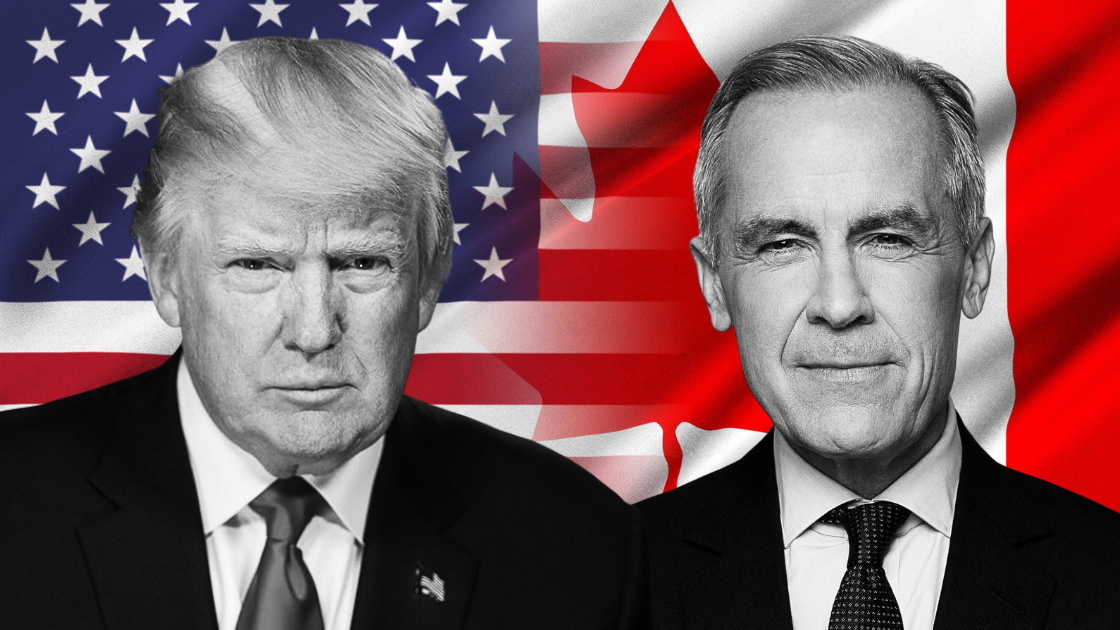
Canadian officials describe the shift as a rational response to growing political uncertainty south of the border.
Over the past two years, senior U.S. political figures have repeatedly suggested that agricultural trade could be leveraged in disputes unrelated to farming—ranging from defense spending and energy policy to immigration enforcement. While the specifics varied, the signal was consistent: market access was no longer guaranteed on economic grounds alone.
For an industry built on multi-year planting cycles, high capital costs, and narrow margins, that uncertainty was intolerable.
“Agriculture depends on predictability,” said one senior Canadian trade official. “Once trust is questioned, producers and buyers have to protect themselves.”
Integrated Markets, Broken Assumptions
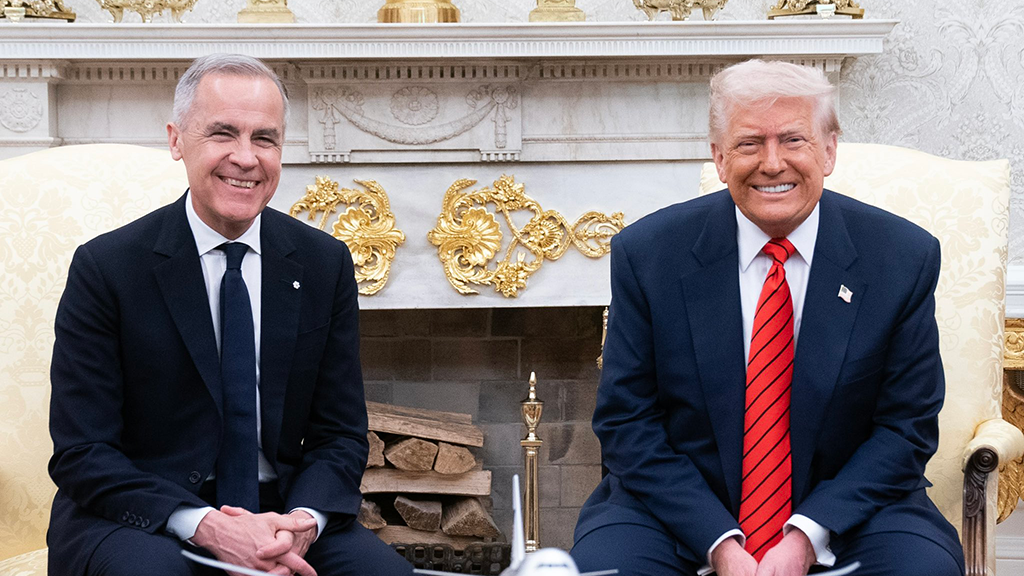
For decades, Canada and the United States operated one of the world’s most integrated agricultural systems. Grain, livestock, and processed food crossed the border based on efficiency, specialization, and seasonal demand. Both sides benefited from lower prices and stable supply.
But that system rested on an unspoken assumption: food trade would remain insulated from political pressure.
Once that assumption eroded, Canada accelerated negotiations with alternative buyers who had long expressed interest but lacked formal, large-scale supply relationships.
The Deals That Changed the Equation

The speed and scale of the new agreements highlight how quickly global food markets can reconfigure when political risk rises.
-
China committed to purchasing an additional 5 million metric tons of Canadian wheat annually, roughly 15% of Canada’s total wheat output, under multi-year contracts with pricing formulas, quality standards, and dedicated logistics.
-
Middle Eastern buyers, including Saudi Arabia, the UAE, and Egypt, signed agreements worth approximately $3 billion per year for Canadian wheat flour and canola oil—critical staples for food-import-dependent states seeking reliability over price volatility.
-
The European Union fast-tracked regulatory approvals for Canadian pork and beef, unlocking more than $4 billion annually in new exports. Canadian beef meeting strict hormone-free and traceability standards gained access to Germany, France, and the UK at prices 20–30% above conventional North American levels.
These were not opportunistic spot purchases. They were long-term commitments.
Winners, Losers, and Competitive Realignment

For Canadian producers, the gains are immediate: guaranteed volumes, price stability, and reduced exposure to a single dominant buyer.
For American farmers, the implications are more complex—and in some regions, damaging.
Canadian wheat now competes directly with U.S. hard red spring wheat in Asian and Middle Eastern markets. Canadian canola oil may increasingly be prioritized for export rather than U.S. food processors. Preferential Canadian access to European pork and beef markets places U.S. exporters at a structural disadvantage in high-margin segments.
In border states such as North Dakota and Montana, losing nearby Canadian demand could force producers to ship grain 1,500–2,000 miles farther to coastal ports—cutting annual farm income by tens of thousands of dollars per operation.
Buffett’s Warning on Irreversibility

The broader significance of the shift was underscored by comments from Warren Buffett, whose Berkshire Hathaway has extensive exposure to agriculture and food processing.
Buffett has repeatedly warned that when governments threaten to weaponize food trade, buyers respond rationally by diversifying supply—and those relationships rarely reverse.
History supports the claim. U.S. grain embargoes in the 1970s permanently eroded American market share in the Soviet bloc. China’s rare-earth export restrictions in 2010 accelerated global diversification away from Chinese supply. In both cases, political leverage destroyed long-term influence.
Infrastructure Locks In the Change

What makes Canada’s pivot especially durable is the scale of investment already underway.
-
The Port of Vancouver is investing C$400 million to expand grain terminal capacity tailored to Asian markets
-
Canadian railways are committing over C$1 billion to track upgrades, locomotives, and hopper cars
-
Meat processors are expanding facilities to meet European standards, adding hundreds of permanent jobs
These are sunk costs optimized for non-U.S. trade flows. Even if political tensions ease, the economic logic favors maintaining the new routes.
Consumer Impact and Strategic Decoupling

For American consumers, the effects may appear gradually through higher food prices. Fragmented supply chains reduce efficiency. Reformulating products to replace Canadian wheat or canola raises costs. Disruptions in integrated cattle markets push beef prices higher.
For Canadians, diversification brings stability—but also signals a strategic decoupling that will be difficult to unwind.
The Broader Lesson
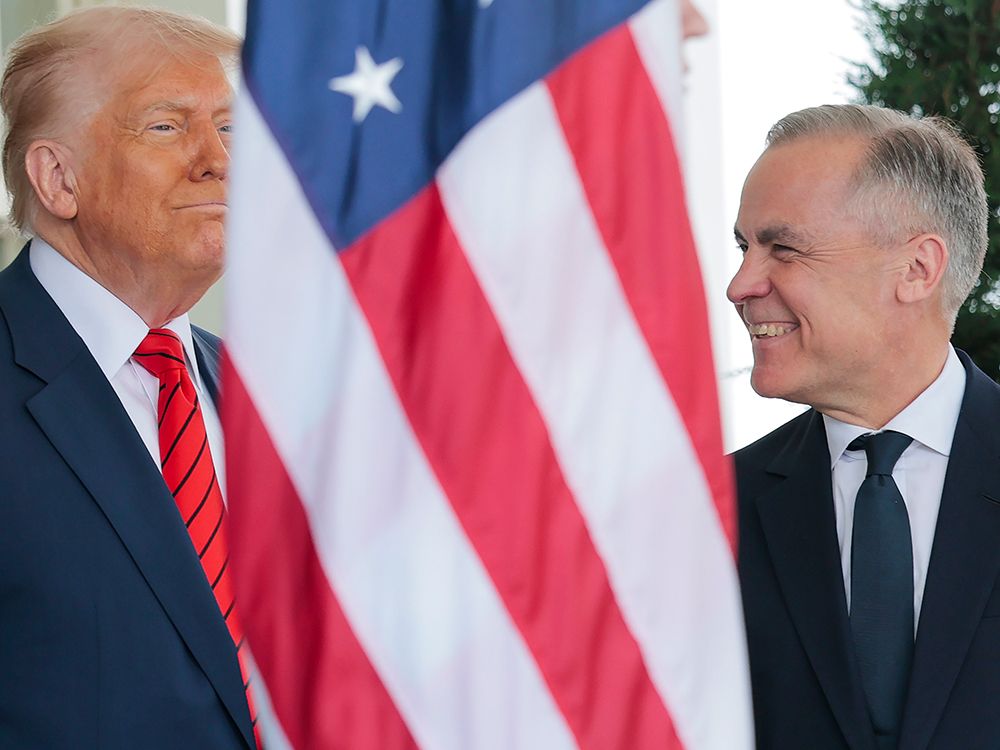
Canada’s experience illustrates a core principle of global agriculture: food markets run on trust. Geography and history matter less than reliability.
When political leaders threaten trade access, buyers and suppliers protect themselves. Once alternatives work, dependence fades.
What began as a defensive response has now become a structural shift.
And in global agriculture, structural shifts tend to last.