Canada’s ‘Buy Canadian’ Policy Marks Strategic Pivot Amid U.S. Trade Tensions
OTTAWA — Prime Minister Mark Carney announced on Dec. 22 a sweeping “Buy Canadian” procurement policy, mandating federal agencies prioritize domestic suppliers and materials for contracts over $25 million, with expansion to $5 million deals by spring 2026. The move, applying to defense, infrastructure, and crown corporations, signals Canada’s accelerating shift toward economic self-reliance amid escalating trade friction with the United States.
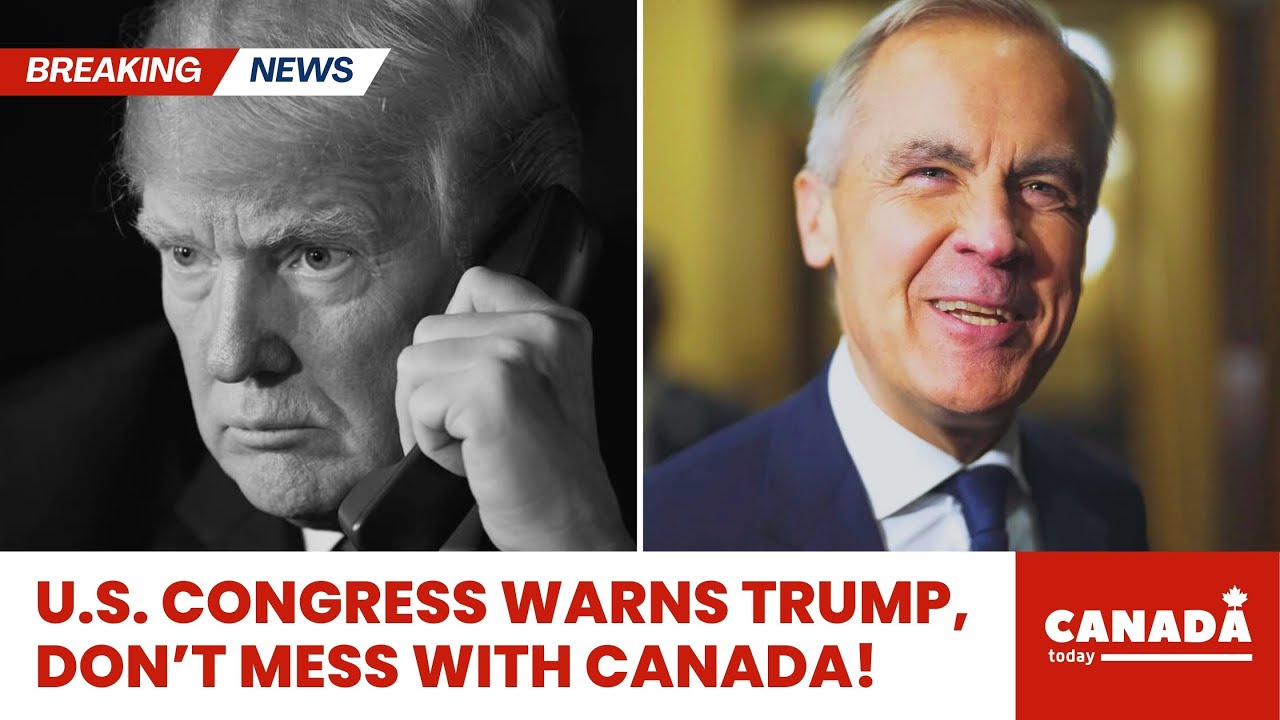
Mr. Carney framed the policy not as retaliation against President Donald J. Trump’s tariffs but as “nation-building.” “When the federal government spends, we will select Canadian suppliers by default,” he said at a Toronto event. Large projects must use Canadian-produced steel, aluminum, and wood where available, aiming to bolster supply chains, create jobs, and reduce vulnerability to foreign disruptions.
The announcement follows months of U.S. tariffs on Canadian steel, aluminum, autos, and lumber, which have strained bilateral ties. A Democratic-led U.S. Joint Economic Committee report released last week highlighted fallout in border states, noting a nearly 20 percent drop in Canadian crossings and tourism revenue losses in places like Maine. Ferry services between Nova Scotia and Bar Harbor reported similar declines, with local officials attributing much of the slump to strained relations.
Canadian tourism to the U.S., once a $20.5 billion annual contributor supporting 140,000 American jobs, has cooled noticeably. Analysts link the trend to public sentiment: boycotts of U.S. travel and goods gained traction after Trump’s rhetoric and policies, including threats to invoke the International Emergency Economic Powers Act against allies.
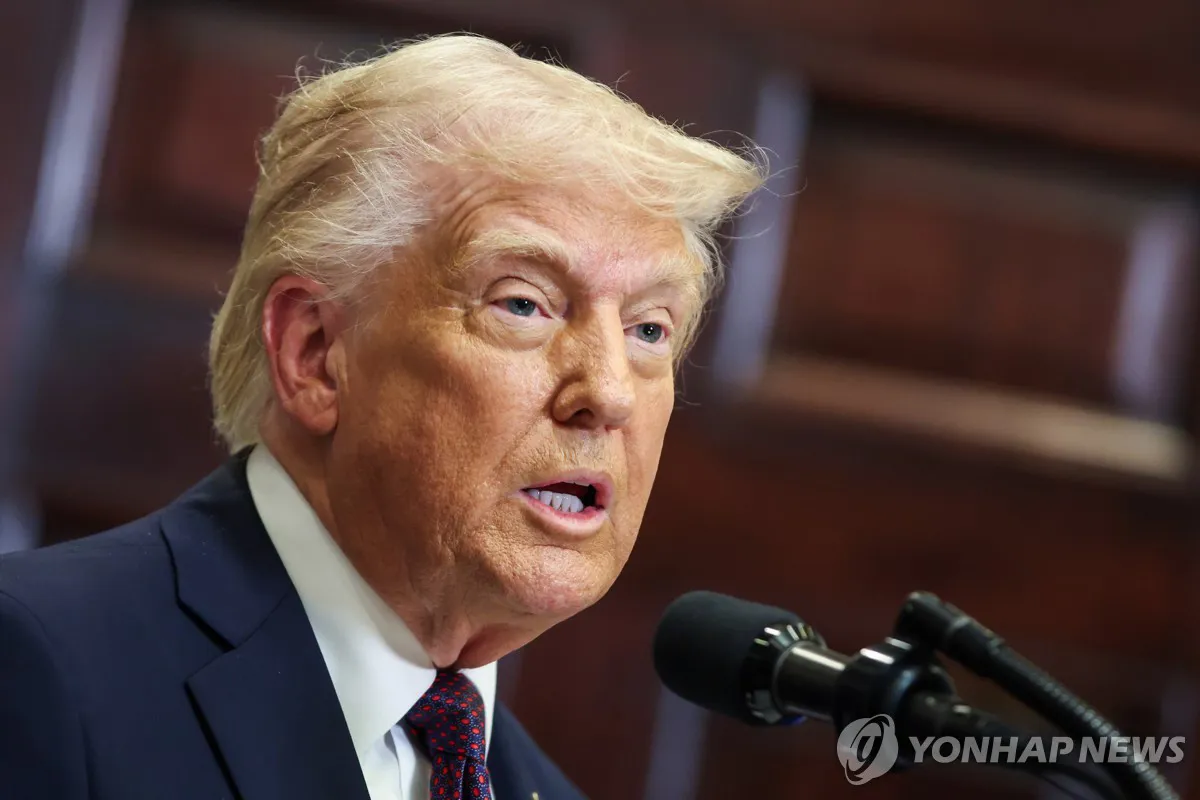
Mr. Carney’s strategy emphasizes diversification. Recent deals with India, the European Union, and Asian nations, alongside infrastructure investments like $6 billion for export gateways, aim to double non-U.S. exports over a decade. “We have too many eggs in the American basket,” he told CBC in a year-end interview, listing partnerships from Thailand to Africa.
The policy’s economic logic is straightforward: federal procurement exceeds $20 billion annually. Redirecting it domestically could generate thousands of jobs in manufacturing and resources, sectors hit by U.S. duties. Crown projects like high-speed rail and housing initiatives will now favor Canadian content, extending to grants and contributions.
Business groups welcomed the shift. The Canadian Chamber of Commerce called it “long overdue,” predicting strengthened supply chains and competitiveness. Labor unions praised job protections, while manufacturers in Ontario and Quebec anticipated relief from tariff-exposed exports.
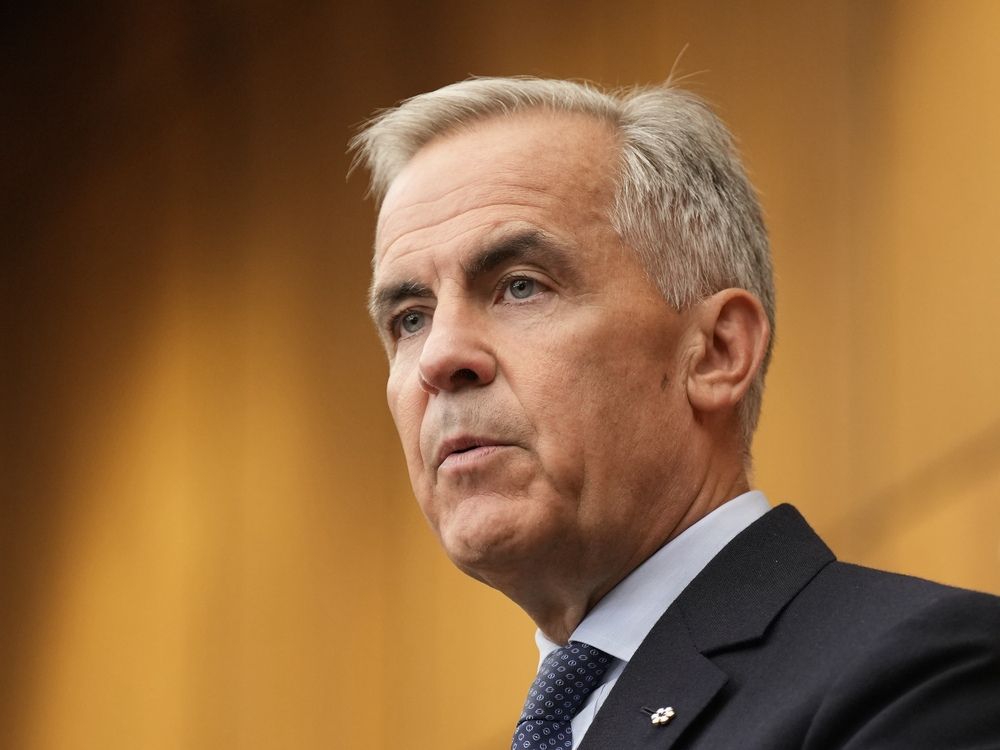 Critics, including Conservative Leader Pierre Poilievre, warned of higher costs and potential U.S. retaliation. Yet even some Republicans, wary of border-state losses, have urged Mr. Trump to reconsider. Maine Governor Janet Mills, a Democrat, visited New Brunswick earlier this year to bolster ties, underscoring cross-border interdependence.
Geopolitically, the policy aligns with Canada’s Arctic and critical minerals strategies, reducing reliance on volatile partners. With China restricted on certain exports and U.S. demands growing for secure supplies, Canada’s resources — from lithium to rare earths — gain leverage.
Mr. Carney’s calm assertion — “We can’t control Donald Trump, but we can control what we build here” — resonates amid U.S. unpredictability. As 2026 USMCA reviews approach, Ottawa’s message is clear: Canada will negotiate from strength, not dependence.
The “Buy Canadian” directive, effective immediately for major contracts, marks a structural pivot. For decades, proximity favored U.S. integration; now, policy favors resilience. As one Ottawa official put it, “We’re not closing doors — we’re opening new ones.” Whether this fortifies Canada against trade headwinds or provokes further U.S. response remains the open question for 2026.