The U.S.–Canada Aluminum Crisis: How Trump’s 50% Tariff Is Pushing Canada Toward Europe
Trump’s 50% Aluminum Tariff Sparks a Trade Realignment
Since U.S. President Donald Trump raised aluminum tariffs to 50% in June, the North American aluminum market has entered a period of profound disruption. Rather than weakening Canada, the policy has accelerated a strategic shift that could permanently alter global trade flows.
As relations with Washington deteriorate, Canada is rapidly redirecting aluminum exports away from the United States and toward Europe and Asia, signaling a decisive move away from decades of economic dependence on its southern neighbor.
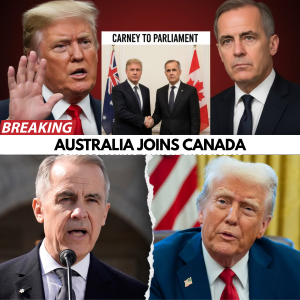
Prime Minister Mark Carney has made the message clear: Canada will diversify, strengthen international partnerships, and reduce exposure to U.S. political volatility.

America’s Longstanding Dependence on Canadian Aluminum
For decades, the United States relied on Canada for more than half of its aluminum supply. Canadian aluminum offered advantages U.S. producers could not match:
-
Low-cost production powered by hydroelectric energy
-
Lower carbon emissions
-
Geographic proximity and supply stability
This metal became the backbone of American manufacturing, supporting industries from automotive and aerospace to construction and packaging.
When Tariffs Backfire
The Trump administration framed the tariff increase as a show of strength. Instead, it triggered a rapid market correction.
Canada did not retaliate. It adapted.
Producers shifted shipments toward Europe and Asia, locking in long-term contracts and securing new strategic alliances. What was designed to pressure Canada instead isolated the United States.
American manufacturers now face:
-
Surging aluminum prices
-
Unstable supply chains
-
Rising production costs passed directly to consumers
Why the U.S. Cannot Replace Canadian Aluminum
The assumption that domestic production could quickly fill the gap has proven unrealistic.
U.S. aluminum smelting faces structural barriers:
-
Smelters shuttered for years
-
Extremely high energy costs
-
Outdated infrastructure
-
Electrical grids unable to support expansion
Experts warn that rebuilding domestic capacity would take many years—possibly decades—with no guarantee of global competitiveness.

Canada’s Strategic Pivot to Europe
Canada’s hydroelectric advantage remains intact. With stable energy costs and environmentally cleaner production, Canadian aluminum is increasingly attractive to European buyers facing strict emissions regulations.
As the United States struggles, Canada is securing new markets, influence, and leverage, reshaping global aluminum trade without confrontation or escalation.
A Supply Crisis, Not a Policy Dispute
This is no longer a minor trade disagreement. It is a full-scale supply chain crisis with long-term consequences.
Every month the tariff remains in place:
-
U.S. manufacturers absorb higher costs
-
Canada strengthens alternative trade routes
-
Europe and Asia gain reliable access to critical materials
The result is a paradox: policies intended to promote American independence have instead deepened American vulnerability.
The Reality Heading Into 2026
As 2026 approaches, the situation is becoming irreversible. The United States remains dependent, structurally constrained, and increasingly isolated. Canada, meanwhile, continues to thrive—quietly expanding its reach, consolidating partnerships, and demonstrating that strategic patience and resource control outweigh tariffs and threats.
Aluminum is no longer just a commodity. It is leverage.
And in this crisis, Canada is holding it.