The Jessica Radcliffe Hoax: Unraveling the Viral Killer Whale Tragedy
A chilling video has taken social media by storm, claiming to depict the tragic final moments of Jessica Radcliffe, a veteran trainer at the fictional Pacific Blue Marine Park. The footage, which shows Radcliffe smiling and waving to a cheering crowd just seconds before an alleged deadly attack by a killer whale, has left viewers horrified and heartbroken. Shared across platforms like TikTok, X, and YouTube, the video captures a sudden shift in the orca’s behavior, followed by a catastrophic event that reportedly silenced the entire arena. However, a closer examination by experts and fact-checkers reveals a disturbing truth: the entire story is a fabrication, designed to exploit real fears about marine park safety and captivate unsuspecting audiences.
The Viral Video: A Convincing Fabrication
The video begins innocently enough, with a woman identified as Jessica Radcliffe, a supposed 23-year-old veteran trainer, performing alongside a killer whale at Pacific Blue Marine Park. She waves to the crowd, her smile radiating confidence, as children and families cheer in the stands. Then, in a split second, the orca’s behavior shifts—its movements become erratic, and the footage cuts to chaos, with screams replacing applause. Captions and accompanying posts claim that Radcliffe was fatally attacked, with some versions suggesting her death was caused by the orca reacting to menstrual blood in the water. The graphic nature of these details, combined with the emotional weight of a young trainer’s life cut short, has driven millions to share the video, amassing views across social media.
Yet, as compelling as the footage appears, it is entirely fabricated. According to reports from outlets like E! Online and Hindustan Times, no such incident occurred, and Pacific Blue Marine Park does not exist. Jessica Radcliffe is not a documented trainer, and there are no records of her death or employment at any marine facility. The video itself bears hallmarks of AI manipulation, including unnatural movements, inconsistent lighting, and synthetic audio. Experts in digital forensics, quoted by the International Business Times, have identified these as signs of computer-generated imagery, likely created to mimic real archival footage of marine park performances.
Why the Hoax Resonates
The Jessica Radcliffe story has spread like wildfire due to its emotional intensity and plausible premise. The idea of a trainer being attacked by a killer whale taps into real anxieties about the safety of working with these powerful animals in captivity. High-profile incidents, such as the 2010 death of Dawn Brancheau at SeaWorld Orlando and the 2009 death of Alexis Martínez at Loro Parque, lend an air of believability to the hoax. The 2013 documentary Blackfish, which exposed the psychological toll of captivity on orcas and the risks to trainers, further amplified public awareness of these dangers, making the fabricated story seem all too possible.
The inclusion of sensational details, such as the claim about menstrual blood, is a deliberate tactic to shock and engage viewers. Fact-checking organizations have noted that such elements are common in viral hoaxes, designed to provoke strong emotional reactions and encourage sharing. The lack of verifiable details—such as the date of the incident, the location of Pacific Blue Marine Park, or official statements from authorities—further confirms the story’s falsity. Despite this, the video’s visceral impact has led many to accept it at face value, highlighting the challenges of combating misinformation in the digital age.
The Real Risks of Orca Captivity
While the Jessica Radcliffe incident is a hoax, it draws attention to the very real dangers faced by trainers working with captive orcas. Historical cases provide sobering context. In 1991, Keltie Byrne was drowned by three orcas at Sealand of the Pacific in Canada. In 1999, Daniel Dukes, a park visitor, was found dead in an orca tank at SeaWorld Orlando. The deaths of Martínez and Brancheau, both killed by orcas in captivity, underscored the unpredictable nature of these animals in confined environments. These tragedies, unlike the Radcliffe story, are well-documented and have fueled debates about the ethics of keeping orcas in captivity.
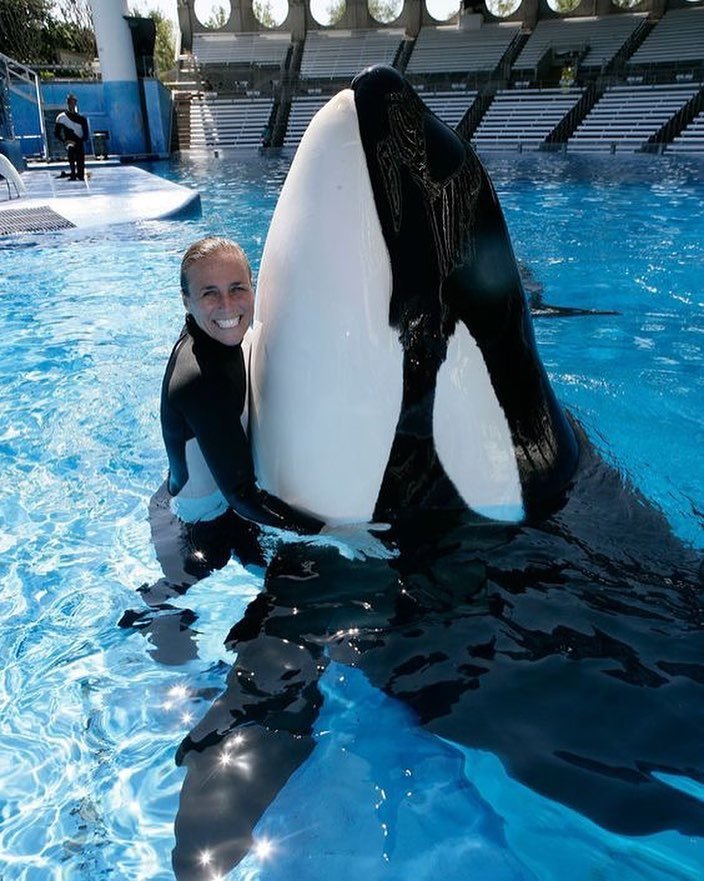
Experts, including former trainers like John Hargrove, argue that orca aggression in marine parks stems from the stress of confinement. In the wild, orcas travel vast distances and live in complex social groups, but in captivity, they are confined to small tanks, leading to behaviors like teeth damage, collapsed dorsal fins, and aggression toward humans or other orcas. The Blackfish documentary highlighted how Tilikum, the orca responsible for Brancheau’s death, exhibited predatory behaviors driven by psychological distress, not malice. These real incidents provide a stark contrast to the fabricated Radcliffe narrative, which exploits genuine concerns for sensational effect.
The Role of Social Media in Spreading Misinformation
The rapid spread of the Jessica Radcliffe hoax underscores the power of social media to amplify false narratives. Platforms like TikTok and X thrive on emotionally charged content, and the lack of immediate fact-checking allows hoaxes to gain traction before they can be debunked. Posts on X have called the video “heartbreaking” and “terrifying,” with some users speculating about the orca’s intentions or the marine park’s safety protocols. Others, however, have flagged the story as suspicious, pointing to the absence of credible news coverage from outlets like BBC or CNN.
The hoax’s success also reflects the public’s fascination with tragedy and the macabre. By invoking the image of a young woman smiling moments before her death, the video plays on universal fears of sudden loss. This emotional manipulation, combined with the realistic appearance of AI-generated footage, makes it difficult for casual viewers to discern fact from fiction. Fact-checking efforts, while critical, often lag behind the initial viral surge, allowing misinformation to spread unchecked.

Moving Forward: Lessons from the Hoax
The Jessica Radcliffe hoax serves as a cautionary tale about the dangers of misinformation and the need for critical media literacy. While the video may send chills down viewers’ spines, its fabricated nature highlights the importance of verifying sources before sharing content. The real tragedies of the past, like those of Brancheau and Martínez, have already prompted significant changes, including SeaWorld’s decision to end its orca breeding program and theatrical shows in 2016. These reforms, driven by public outcry and documentaries like Blackfish, demonstrate the power of informed advocacy.
For now, the Jessica Radcliffe story remains a chilling but false narrative, designed to shock and captivate. By understanding its origins and questioning its validity, viewers can avoid perpetuating misinformation and focus on the real issues surrounding orca captivity and trainer safety. The stunned silence of the fictional arena in the video may be fake, but the lessons it offers about truth, trust, and the power of storytelling are all too real.