A federal judge’s sharply worded ruling has ignited a political and legal firestorm after she ordered the immediate release of Kilmar Abrego Garcia from ICE custody and barred the government from rearresting him. The decision, issued by U.S. District Judge Paula Xinis, represents one of the most forceful judicial rebukes of immigration enforcement practices in recent years and has triggered intense backlash from officials within the Department of Homeland Security.
The controversy centers around Abrego Garcia, a Salvadoran national who, in 2019, received formal protection from deportation after convincing immigration authorities that gang-related death threats made return to his home country unsafe. For several years, he complied with routine ICE check-ins while living legally in the United States under the terms of that protection.
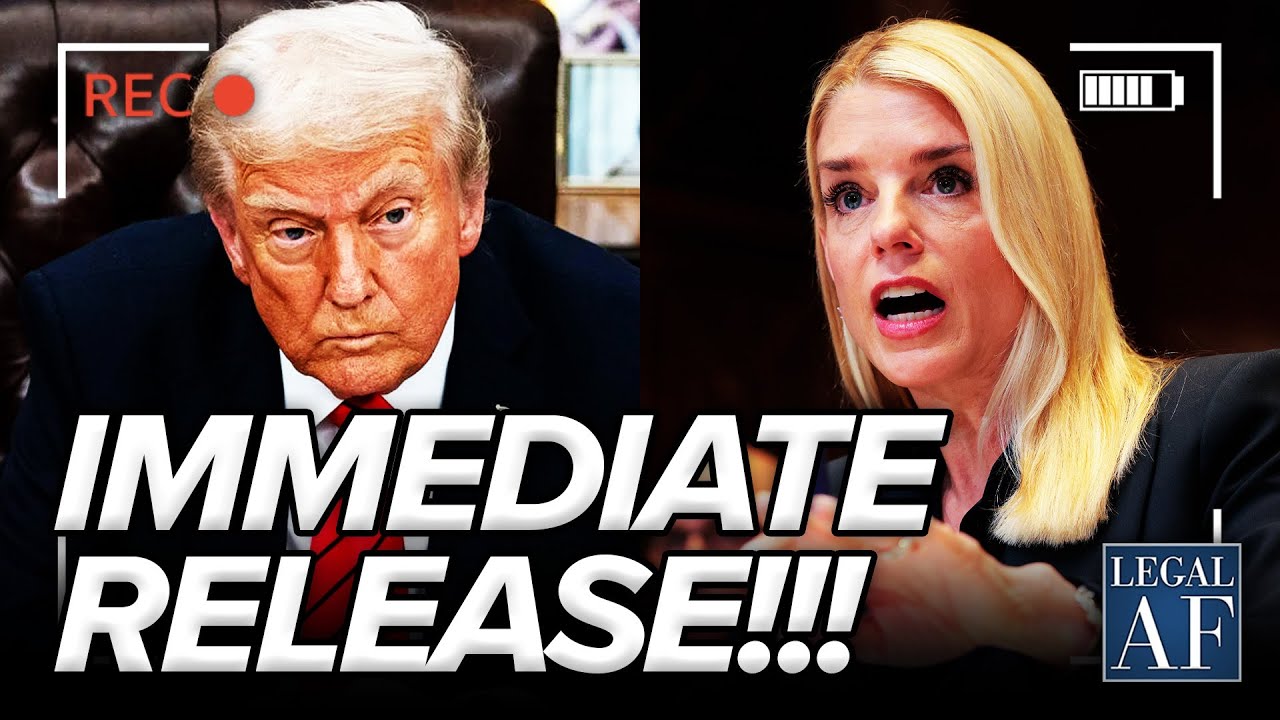
A Wrongful Deportation Sparks a Legal Showdown
Despite the existing protections, Abrego Garcia was abruptly and unlawfully deported to El Salvador in March 2025. ICE later acknowledged the deportation was the result of an “administrative error,” an admission that would become central to the unfolding legal dispute. After federal courts intervened and ordered his return to the United States, he was detained upon arrival—this time without explanation and without any clear legal basis.
ICE then attempted to pursue an entirely new set of deportation destinations: Uganda, Eswatini, Ghana, and Liberia. None of these nations had any legal or historical connection to Abrego Garcia, nor did any accept the transfer. According to court filings, ICE nevertheless continued notifying him of scheduled deportations, despite knowing those destinations were not feasible.
Legal analysts Brian Kabateck and Shant Karnikian, in discussing the ruling, noted that the government’s conduct reflected a pattern of “improvisational enforcement” that lacked legal grounding and appeared to violate basic procedural norms.
Judge Xinis: Detention ‘Not Reasonably Foreseeable, Not Imminent, Not Constitutional’
Abrego Garcia filed a habeas corpus petition asserting that he was being detained unlawfully. In her sweeping opinion, Judge Xinis agreed.
She found that ICE had no lawful authority to detain him because no final removal order existed. Under federal law, immigration detention requires a legally valid deportation order and a reasonably foreseeable deportation path. Neither condition was met.
Xinis wrote that Abrego Garcia’s possible removal “cannot be considered reasonably foreseeable, imminent, or consistent with due process.” She pointed to months of government notifications promising deportation to African nations despite knowing such transfers were impossible.
Her ruling also sharply criticized the government for what she called affirmative misrepresentations. ICE attorneys told the court that Costa Rica—one of the only countries that had offered to receive Abrego Garcia temporarily—had rescinded its offer. Evidence revealed Costa Rica never wavered. Xinis described the government’s conduct as “misleading the Court” and acting in a manner that undermined judicial authority.
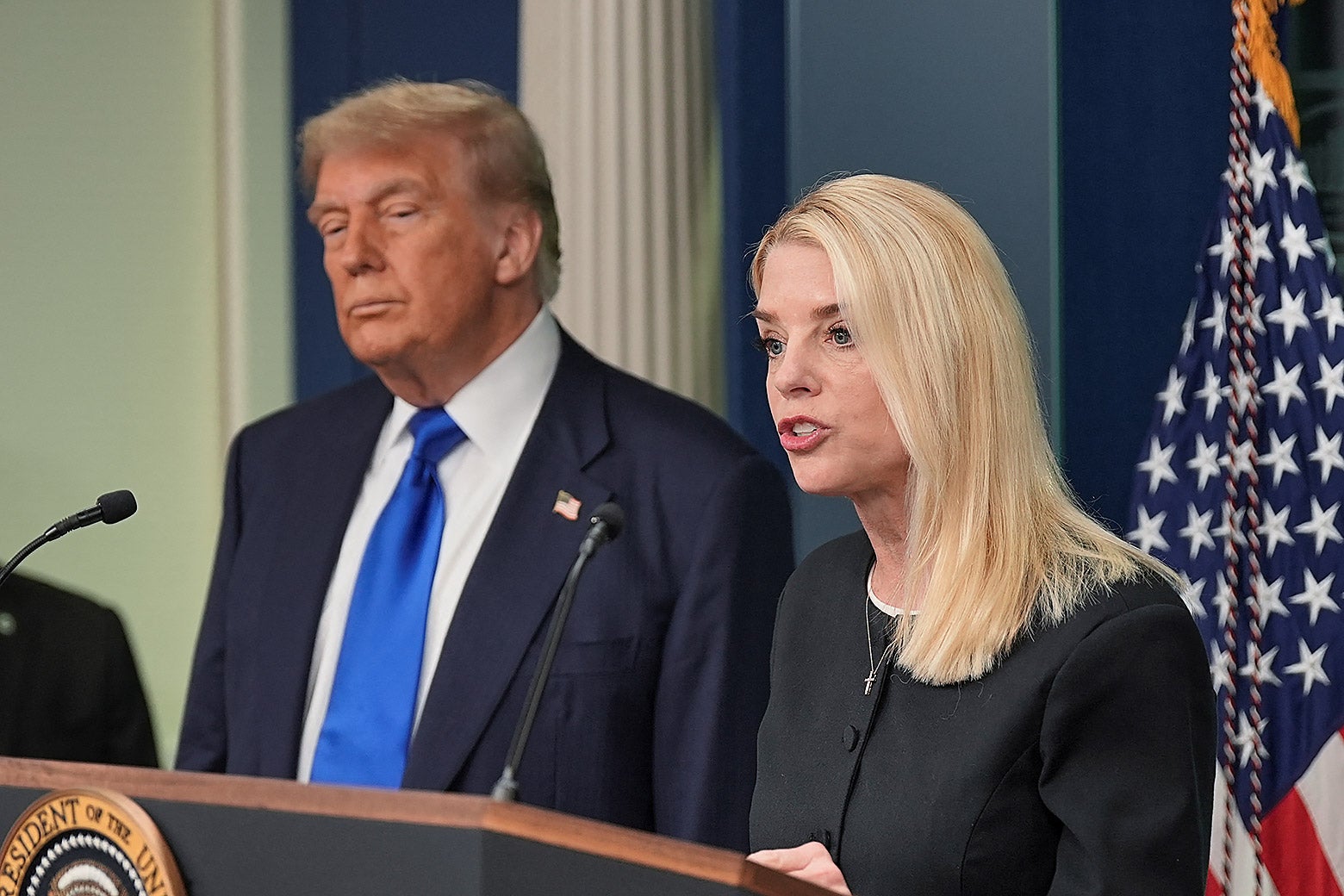
A Retroactive Order and a Swift Judicial Rebuff
Hours after Xinis ordered Abrego Garcia’s release on December 11, the Department of Justice sought to reverse the outcome through an extraordinary maneuver: it obtained a retroactive removal order from an immigration judge. This order not only contradicted the 2019 protection ruling but attempted to rewrite the legal record so that ICE could immediately rearrest him.
Judge Xinis responded within minutes.
Calling the move a “corrupt abuse of due process”, she issued an emergency order blocking federal agents from detaining Abrego Garcia again, stating that the government’s actions appeared designed solely to nullify a lawful federal court ruling.
This triggered immediate political reaction. The Department of Homeland Security issued a blistering public statement accusing Xinis of engaging in “naked judicial activism,” escalating tensions between the executive branch and the federal judiciary.
Retaliation Claims in Tennessee Add Another Layer
Complicating the situation further, Abrego Garcia faces pending human smuggling charges in Tennessee. A state judge has openly questioned whether those charges represent retaliatory prosecution following his legal challenges against ICE.
Kabateck and Karnikian argue that if the Tennessee case proves retaliatory, it would support a broader pattern: government actors leveraging criminal processes to punish individuals who expose procedural misconduct.

Political Reverberations Reach Trump’s Circle
The ruling has ricocheted through political networks, with allies of Donald Trump expressing outrage over what they describe as judicial interference in immigration enforcement. According to political analysts, the former president and his advisors viewed Xinis’s ruling as a significant setback to their broader messaging on immigration control, border security, and federal authority.
While Trump himself has not commented directly, those close to him have suggested that the ruling “undercuts national security” and creates a precedent that will make immigration enforcement more difficult.
Legal scholars dispute that characterization, arguing instead that the ruling reinforces constitutional limits on executive power.
A Case That May Reshape the National Debate
The Abrego Garcia ruling raises profound questions about the limits of federal immigration authority, the boundaries of due process, and the mechanisms available to courts when government agencies defy or misrepresent legal obligations.
More broadly, the case highlights ongoing tensions between the judiciary and immigration enforcement agencies, tensions likely to intensify as political rhetoric sharpens heading into the next election cycle.
For now, the immediate impact is clear: Kilmar Abrego Garcia has been ordered released, ICE has been blocked from detaining him further, and a federal judge has issued one of the most forceful condemnations of immigration enforcement tactics in recent years.
Whether this moment becomes an inflection point in national immigration policy—or another flashpoint in an already polarized political landscape—remains to be seen.