Trump Allies Accused of Judge Shopping as Brennan Lawyers Allege DOJ Corruption in Explosive Filing
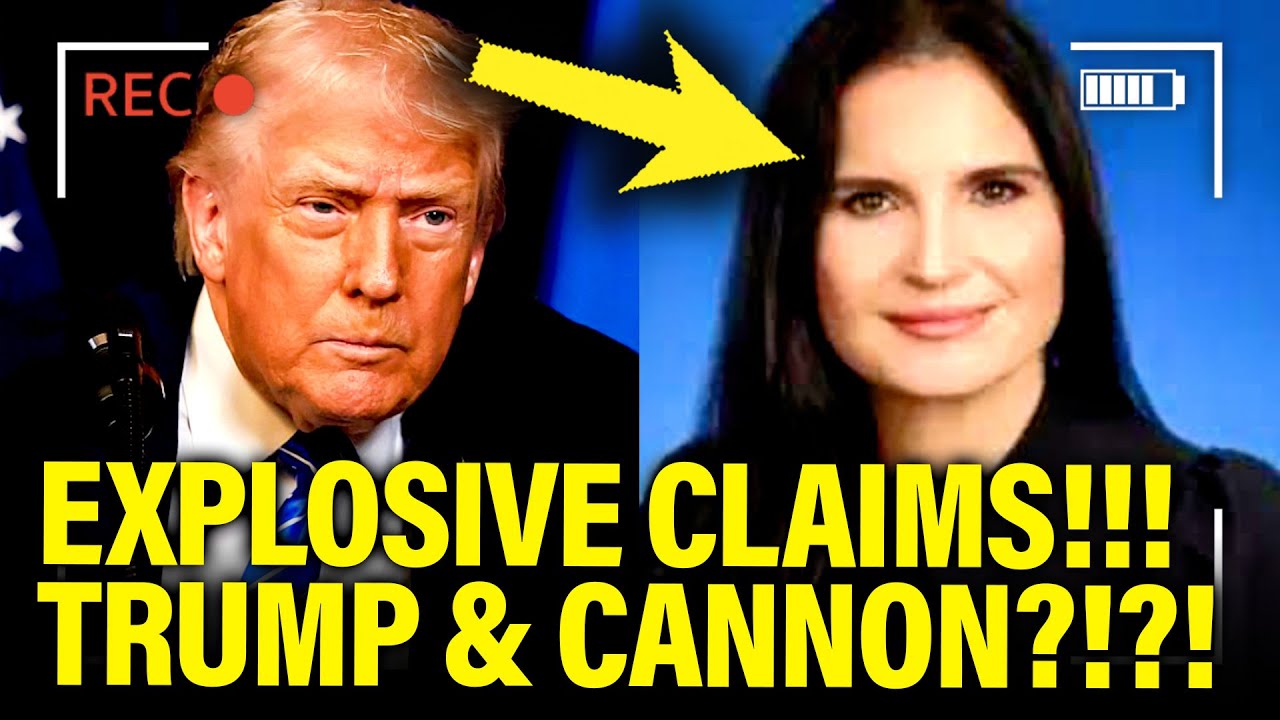
A political and legal firestorm is erupting after lawyers for former CIA Director John Brennan accused the U.S. Department of Justice of corruption and judge shopping in a high-profile investigation allegedly driven by allies of Donald Trump. In a blistering 16-page letter sent to Chief Judge Cecilia Altonaga of the Southern District of Florida, Brennan’s legal team claims federal prosecutors are attempting to steer a potential case to Judge Aileen Cannon, a jurist widely viewed as favorable to Trump, raising serious concerns about fairness, judicial independence, and abuse of power.
According to the letter, the DOJ—now led by officials closely aligned with Trump—has allegedly manipulated grand jury procedures to ensure that any prosecution of Brennan would land in Fort Pierce, Florida, where Judge Cannon is the sole district judge. Brennan has no known connection to Fort Pierce, prompting accusations that prosecutors are deliberately bypassing other venues to secure a preferred judge. The filing warns that such conduct undermines public confidence in the justice system and could violate long-standing rules designed to prevent prosecutorial bias.
The controversy is deeply entangled with a broader political campaign targeting Brennan for his role in investigating Russian interference in the 2016 election. Longtime Trump ally Roger Stone has publicly demanded Brennan’s arrest, while conservative activist Mike Davis—named in the letter—has echoed similar claims on right-wing media, at times suggesting criminal conspiracy and treason. Brennan’s attorneys allege that Davis improperly leaked grand jury information and acted as an informal mouthpiece for the administration, further contaminating the legal process.
Compounding the scandal, the letter notes that multiple independent prosecutors— including offices in the Eastern District of Pennsylvania and the Eastern District of Virginia—previously declined to pursue charges against Brennan, reportedly finding no prosecutable case. Any alleged misconduct tied to events from 2016 or 2020, the defense argues, would also be barred by the five-year statute of limitations, making the renewed investigation legally suspect from the outset.

Judge Cannon’s past rulings loom large in the dispute. While Brennan’s lawyers stop short of accusing her of corruption, they cite her controversial decisions in Trump-related cases—such as intervening in the Mar-a-Lago classified documents investigation and dismissing Special Counsel Jack Smith—as reasons prosecutors might view her courtroom as “accommodating.” The filing emphasizes that even the appearance of judge shopping can be corrosive, especially when the target is a perceived political enemy of a sitting president.
The situation escalated further when Attorney General Pam Bondi publicly criticized Brennan and his lawyers in media comments, calling them “bad actors.” Legal experts argue such statements may violate grand jury secrecy rules and ethical standards governing prosecutors, potentially strengthening Brennan’s claims of DOJ misconduct. As Judge Altonaga weighs whether to intervene and reassign oversight of the grand jury, the case is shaping up to be a defining test of whether the justice system can withstand political pressure in one of the most polarized moments in modern American history.