Canada Secures Historic Entry into Europe’s €150 Billion SAFE Defense Program
In a stunning diplomatic coup that has sent shockwaves through transatlantic security circles, Canada has become the first non-European country to gain full access to the European Union’s flagship Security Action for Europe (SAFE) initiative – a €150 billion ($170 billion) loan program designed to supercharge joint defense procurement amid Russia’s ongoing aggression in Ukraine and growing doubts about U.S. reliability.
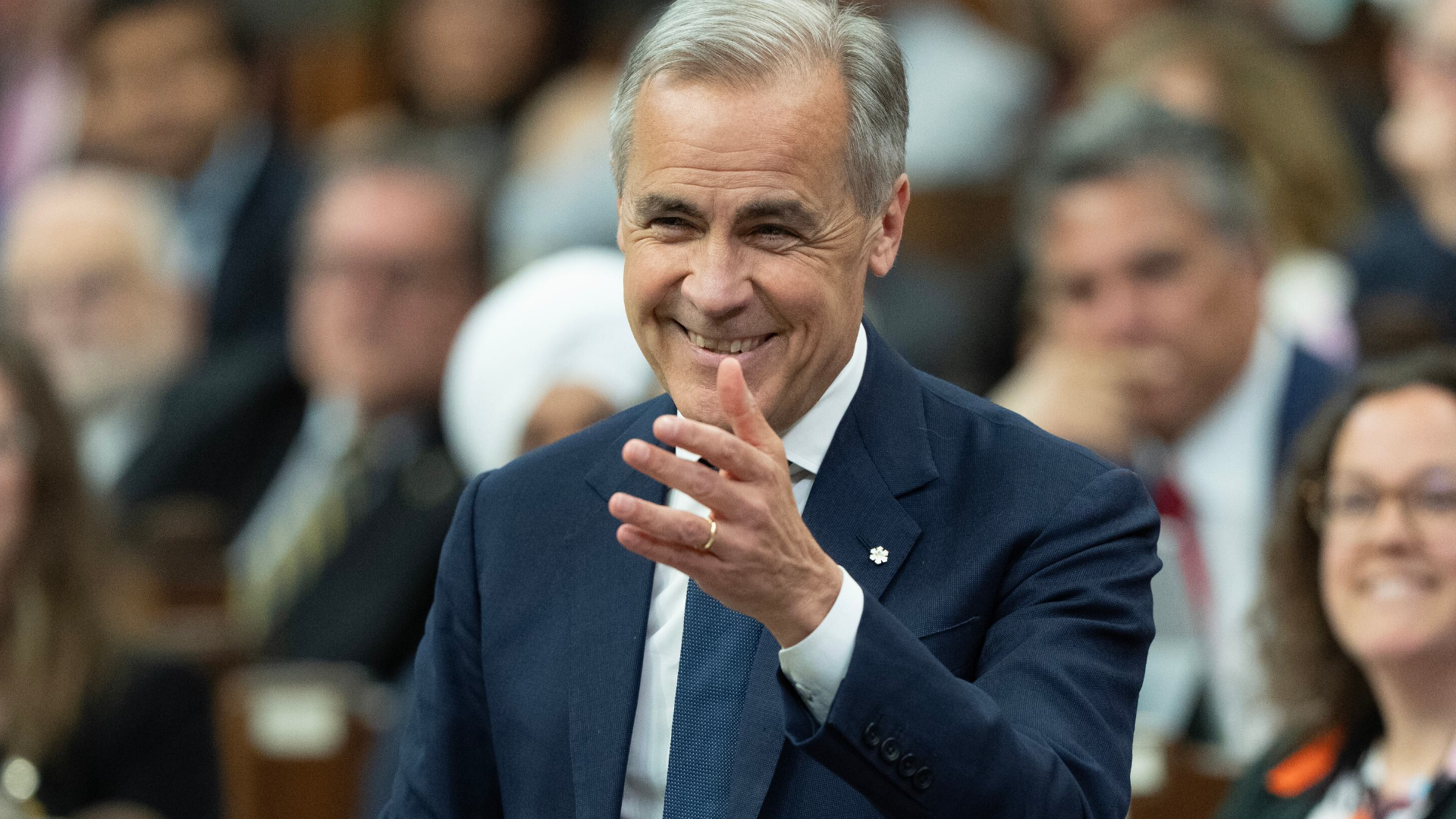
The announcement, made jointly by Canadian Prime Minister Mark Carney and European Commission President Ursula von der Leyen on Monday, marks a pivotal shift in global defense alignments. Canada joins 19 EU member states that have already submitted national investment plans under SAFE, unlocking unprecedented opportunities for Canadian defense firms to bid on massive European contracts for ammunition, drones, missiles, artillery, and next-generation systems.
“This is the next step in our deepening cooperation and symbolic of the shared priorities of the European Union and Canada,” the leaders said in a joint statement. “In these geopolitically turbulent times, we are creating resilient defense supply chains… and strengthening our respective industrial bases.”
The deal caps months of intense, behind-the-scenes negotiations that began after Canada and the EU signed a broader Security and Defence Partnership at the Canada-EU Summit in June 2025. While the United Kingdom – a longtime NATO ally with deep historical ties to Europe – saw its own bid collapse last week over disputes about a multi-billion-pound entry fee, Canada navigated the talks with remarkable ease. Insiders say Ottawa’s willingness to commit to a “commensurate” financial contribution – believed to be in the hundreds of millions rather than billions – combined with its reputation for political stability and clean-energy expertise, proved decisive.

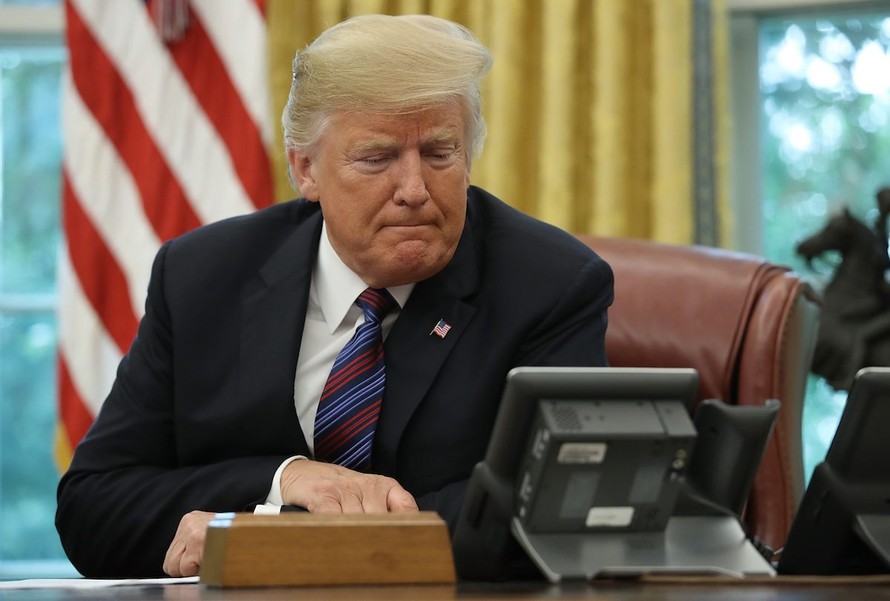
European officials privately described the move as a strategic hedge against the unpredictability of the Trump administration’s second term. President Donald Trump’s recent tariff threats against Canada, coupled with his past criticisms of NATO allies and suggestions that Canada could become the 51st U.S. state, have fueled fears in Brussels that Washington might not be a dependable partner in a crisis. By welcoming Canada, Europe gains a reliable G7 ally with advanced Arctic capabilities, vast natural resources, and a defense industry that emphasizes sustainability and innovation.
“Canada’s rock-solid democratic credentials and shared values made it an obvious choice,” one senior EU diplomat told reporters on condition of anonymity. “We needed a partner that wouldn’t suddenly change course due to domestic politics.”

The SAFE program, launched in May 2025 as part of the EU’s “Readiness 2030” plan, offers low-interest, long-term loans to finance joint weapons purchases. It aims to close critical capability gaps – from air defense to underwater surveillance – while boosting Europe’s domestic defense industry. Under normal rules, non-EU components cannot exceed 35% of a project’s value, but Canada secured exemptions allowing a larger share of its technology to be included, provided it meets stringent intellectual-property and security standards.
For Canada, the benefits are enormous. The agreement will give Canadian companies like General Dynamics Land Systems-Canada, CAE, and Bombardier access to a predictable pipeline of EU-funded contracts, potentially worth billions. It could also help fund Ottawa’s own major procurements, including new fighter jets and submarines, while attracting European investment into Canadian factories and R&D centers.
The contrast with the U.K. could not be starker. London had pushed hard for entry, hoping to leverage its post-Brexit “Global Britain” strategy, but talks broke down over the entry fee – reportedly demanded at €4-6.5 billion – which British officials deemed excessive. “We couldn’t agree on the numbers,” a U.K. defense source admitted. “Canada played its cards perfectly.”
Social media exploded with reactions, with hashtags like #CanadaToSAFE and #EuropeChoosesCanada trending globally. Analysts hailed it as a masterstroke that could reshape NATO dynamics. “This isn’t just about procurement – it’s a signal that Europe is ready to diversify its security partnerships,” said defense expert Roger Hilton of the GLOBSEC think tank. “Canada’s entry strengthens the transatlantic bond, but on Europe’s terms.”
As the world watches, the full impact of this “northern alliance” is only beginning to unfold. For now, one thing is clear: Canada has just pulled off a geopolitical upset, proving that even a midsize power can outmaneuver superpowers when stability and strategy align.