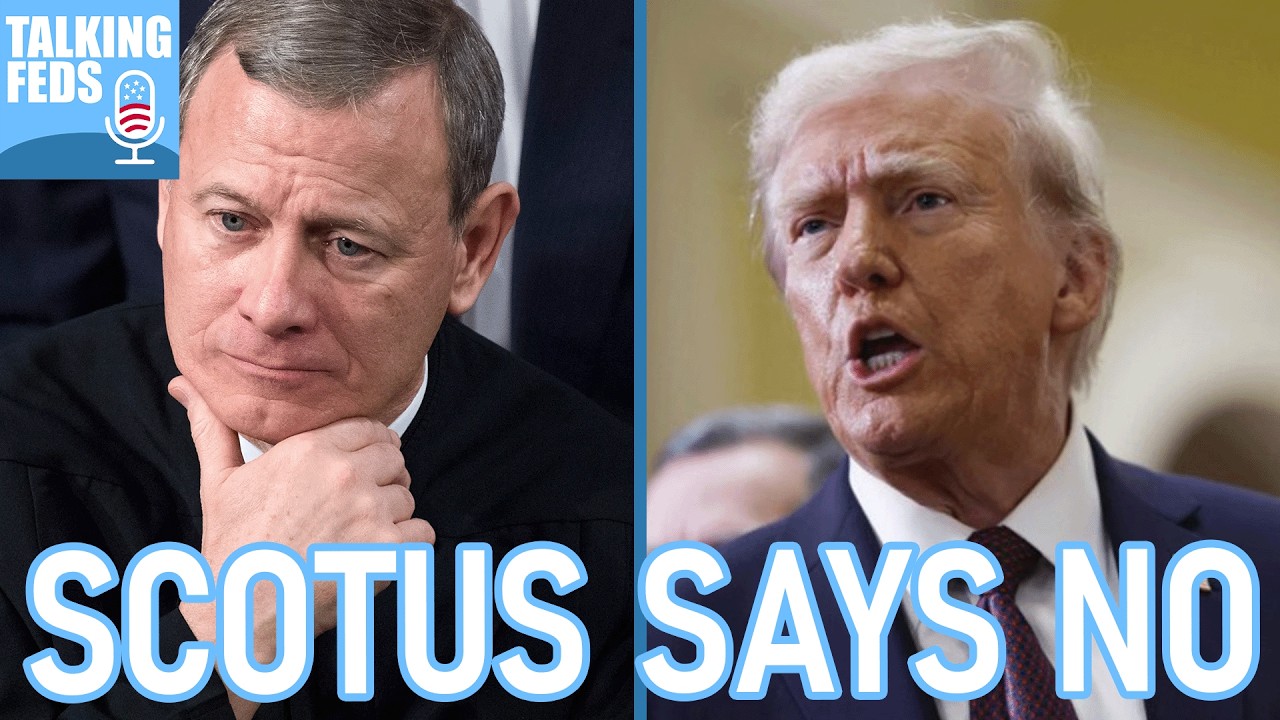
It began not with a televised ruling or a sweeping opinion, but with a brief, procedural order that nonetheless sent a jolt through Washington’s legal and political circles. In an unexpected move, the Supreme Court declined to grant an emergency request from the administration of D.o.n.a.l.d T.r.u.m.p, marking one of the rare instances in 2025 where the court refused to intervene on the government’s behalf in its increasingly aggressive use of the so-called shadow docket.
At the center of the dispute is a challenge brought by a coalition of immigration judges, federal employees who argue that a longstanding policy restricting their ability to speak publicly—even in a personal capacity—violates the First Amendment. The policy, originally introduced during T.r.u.m.p’s first term and later modified under President Biden, effectively barred immigration judges from commenting on immigration policy, court conditions, or their own professional experiences without prior approval. Critics have long described the rule as a gag order; supporters say it preserves institutional neutrality.
The legal path of the case has been anything but straightforward. A federal district court initially dismissed the lawsuit, ruling that the judges were required to pursue their claims through a specialized administrative process created by Congress under the Civil Service Reform Act. That framework typically channels disputes involving federal employees through agencies such as the Merit Systems Protection Board before they reach federal courts.
But the Fourth Circuit Court of Appeals took a markedly different view. In a sharply worded opinion, the court held that recent actions by the T.r.u.m.p administration—particularly changes to leadership and oversight of key civil service watchdog agencies—had undermined the independence Congress originally assumed those bodies would have. As a result, the court concluded, forcing the judges to rely on those channels no longer reflected congressional intent, clearing the way for the case to proceed directly in federal court.
That ruling prompted the administration to seek emergency relief from the Supreme Court, arguing that allowing the case to move forward would cause irreparable harm. Such requests have, in recent years, often succeeded with little explanation, freezing lower-court proceedings while the justices consider next steps. This time, however, the court declined.
In a brief order issued without noted dissents, the justices signaled that the administration had failed to demonstrate the kind of immediate, irreversible damage required for emergency intervention. The decision did not resolve the merits of the case, but it allowed the Fourth Circuit’s ruling to stand and sent the matter back to the district court for further factual development.
Legal analysts quickly noted the significance of what did not happen. The Supreme Court did not rush to shield the administration from continued litigation. It did not halt the proceedings while questions of venue and authority were resolved. Instead, it applied a conventional standard—no irreparable harm, no emergency stay—and stepped aside.
The case now returns to the Eastern District of Virginia, where Judge Leonie Brinkema will oversee the next phase. Observers familiar with the proceedings say the courtroom dynamics could be consequential, not only for the immigration judges involved but for broader questions about executive power, civil service independence, and free speech within the federal bureaucracy.
Public reaction has been swift, if measured. Court watchers described the ruling as a “quiet but meaningful setback” for D.o.n.a.l.d T.r.u.m.p, whose administration has relied heavily on emergency appeals to manage fast-moving legal challenges. On social media and legal forums, commentators debated whether the decision reflects a deeper shift or merely an isolated moment of restraint.
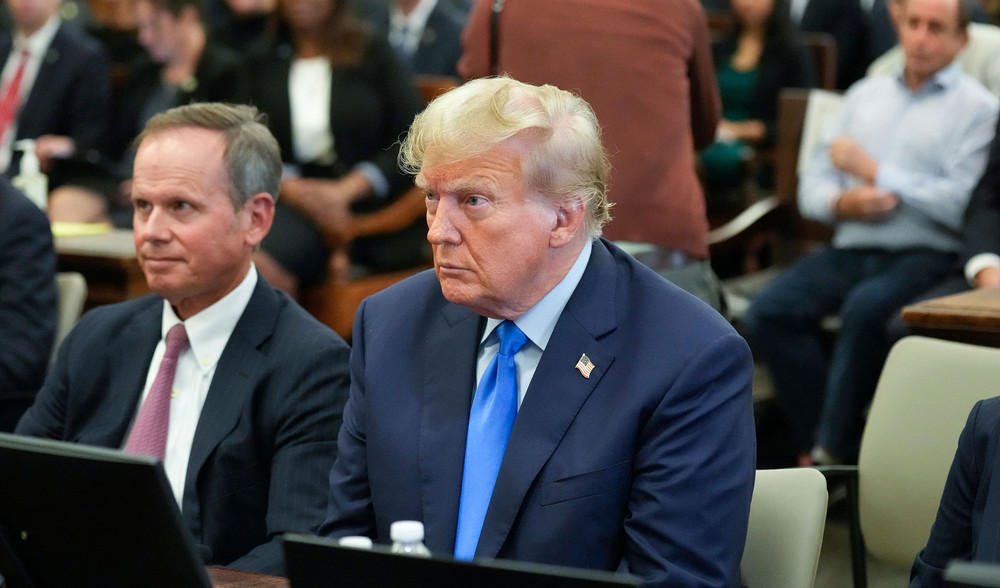
Behind the scenes, former officials and legal insiders suggest the court may be signaling discomfort with the routine invocation of crisis language to short-circuit normal judicial processes. While the administration retains the option to return to the Supreme Court later—should the lower courts rule against it on the merits—the message, for now, is unmistakable: emergency relief is not automatic.
In practical terms, the ruling affects a narrow group of plaintiffs and a specific workplace policy. In symbolic terms, however, it underscores a rare instance where the Supreme Court declined to move in lockstep with an administration that has often framed legal disputes as urgent threats requiring immediate intervention. As the case proceeds, it is likely to remain a closely watched test of how far executive authority can extend—and where the judiciary is willing to draw the line.